An English photographer bought a ravaged, wind-lashed Falklands island in 1972 to give it a second chance. Now, as Argentina and Britain argue over the archipelago once again, millions of seabirds continue to benefit from his remarkable vision
New Island's remarkable recovery offers a counterpoint to the saber-rattling around it
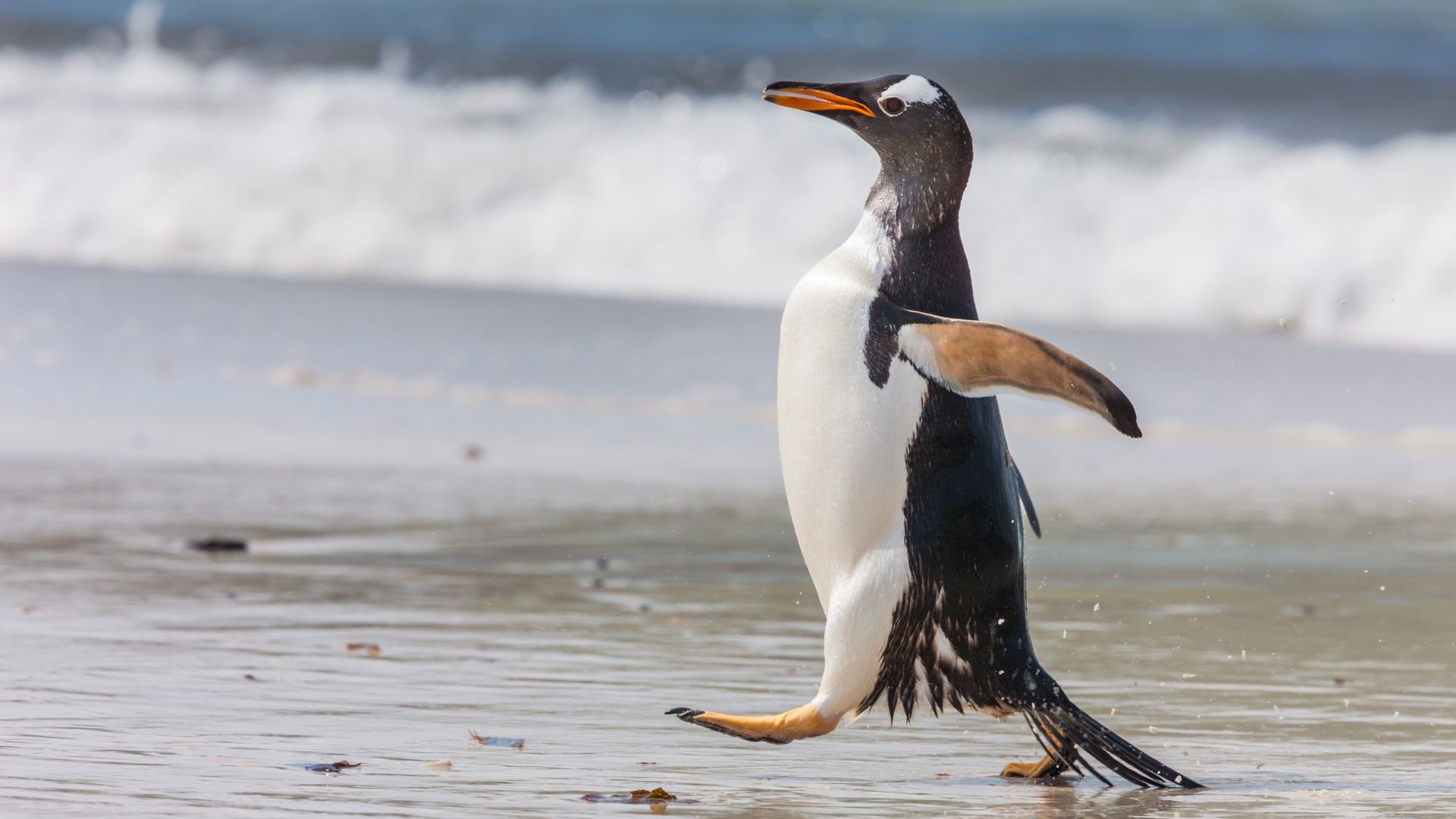
A remote Falklands island, nearly nine miles long, is thriving thanks to the efforts of a single English photographer in 1972. Ian Jon Strange, a conservationist, teamed up with local resident Roddy Napier to purchase the island and halt its environmental degradation. Whaling, penguin oil rendering, sheep and cattle farming, along with introduced rats, cats and rabbits, had left the island in a precarious state.
Strange and Napier ended whaling, phased out farming, and shifted focus to research and low-impact wildlife tourism. The island's ecology was given room to recover, leading to the return of five penguin species, black-browed albatrosses, imperial shags, and white-chinned petrels. Today, New Island hosts over two million breeding pairs of thin-billed prions, making it an Important Bird Area and Key Biodiversity Area.
Strange's photography and books played a crucial role in building the case for the island's protection, earning him an MBE in 1992. His legacy lives on as New Island attracts wildlife photographers and researchers, who experience the island's remarkable recovery through his photographs.
Written by urgent.news from Digital Camera World's reporting — not their text. Machine-written — may contain errors; check the original before relying on it.