A millisecond software glitch led to more than 2,000 cancelled UK flights
A software defect triggered in a millisecond led to an air traffic control failure that ultimately contributed to more than 2,000 flight cancellations across the UK , investigators have found. The September 8 disruption affected hundreds of thousands of passengers . It caused delays and cancellations at major airports across Britain, with the impact also reaching travellers flying between the UK…
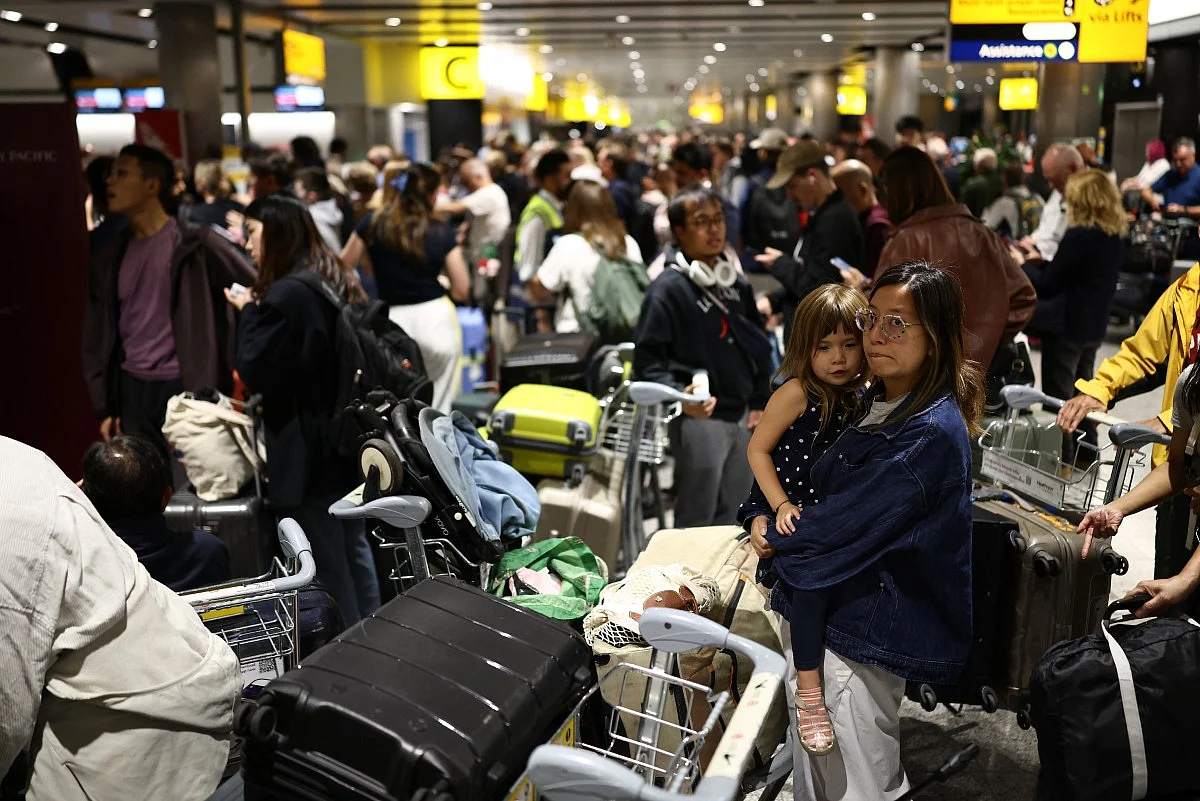
A software glitch within a millisecond led to the cancellation of over 2,000 flights across the UK on September 8, investigators have discovered. The disruption affected hundreds of thousands of passengers and caused delays and cancellations at major airports throughout Britain. The impact also extended to travelers flying between the UK and the UAE.
The National Air Traffic Services (NATS) traced the fault to a tiny section of computer code within the National Airspace System, which manages UK airspace. The malfunction occurred when the software allocated identification codes to aircraft during manual requests, but the code did not restart correctly after a higher-priority message was received.
As a result, the aircraft-code requests were temporarily paused, and when processing resumed, the system output became corrupted, affecting subsequent flight-data updates. The critical sequence happened in a fraction of a second, causing less disruption than the subsequent safety restrictions imposed by NATS, which remained in place for around six hours.
Although operations returned to normal later that evening, it took more than two days for the resulting passenger backlog to clear. More than 2,000 flights were cancelled on September 8, with another 399 cancelled on September 9, bringing the total to 2,145 cancellations over the two days. Around 330,000 passengers were affected, with approximately 155,000 facing cancellations and roughly 180,000 experiencing delays.
British Airways alone cancelled nearly 550 flights, impacting about 85,000 customers. The disruption also affected passengers traveling between the UAE and the UK. Etihad Airways reported cancellations and delays for several London Heathrow-Abu Dhabi services, while Emirates confirmed that flights arriving and departing from UK airports were impacted.
Despite the extensive disruption, NATS ruled out a cyberattack as the cause of the glitch, identifying instead a software defect in a specific part of its flight-data system. The company dismissed speculation that military intervention was responsible and stated that flight safety was never compromised during the incident. An independent review has been ordered by UK Transport Secretary Heidi Alexander to examine the cause of the disruption and the resilience of Britain's air traffic control infrastructure. NATS has implemented mitigation measures while it tests and deploys a permanent software fix.
Written by urgent.news from Gulf News's reporting — not their text. Machine-written — may contain errors; check the original before relying on it.