6 Best VPN Services (2026), Tested and Reviewed
Every VPN says it’s the best, but only some of them are telling the truth.
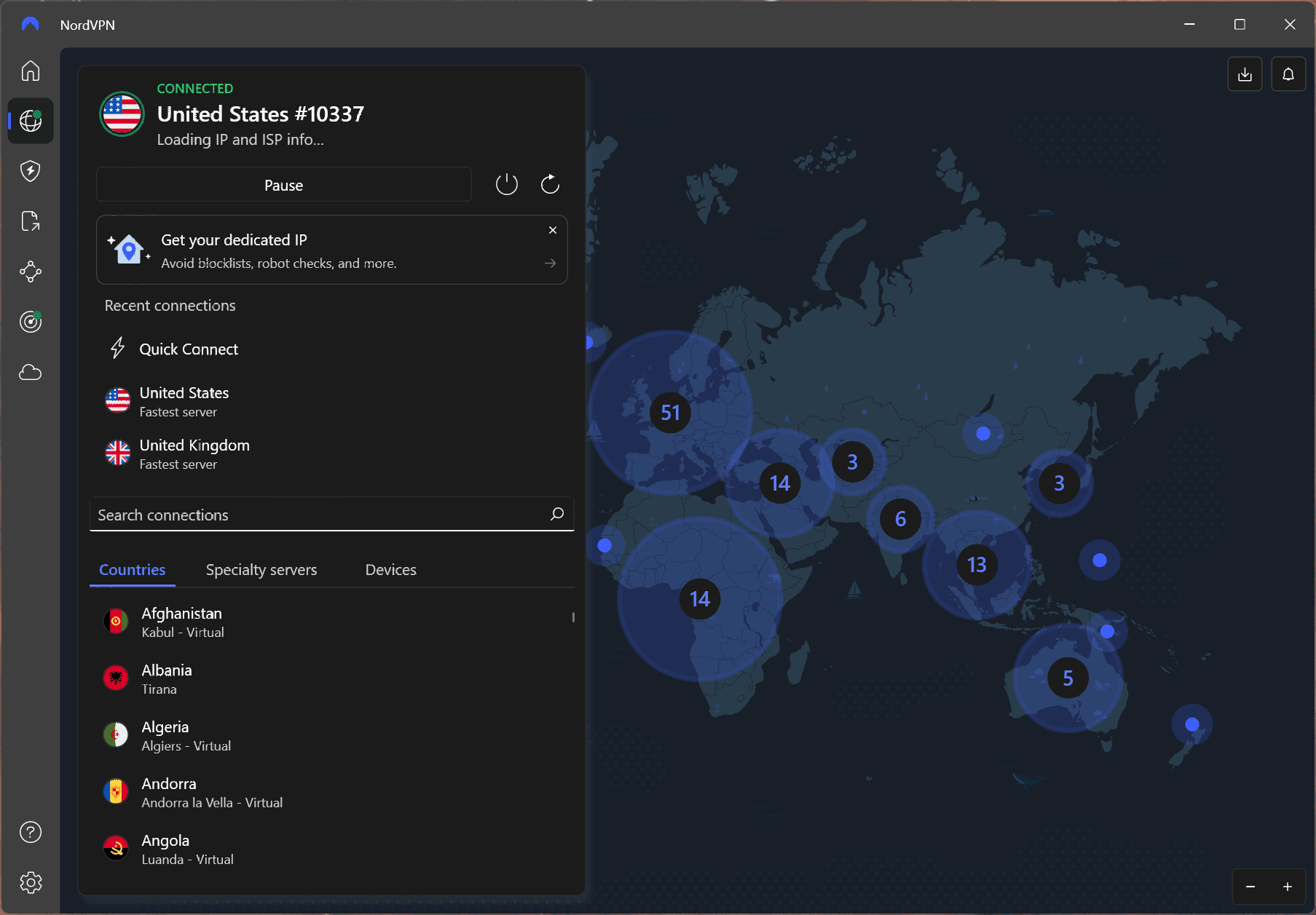
In 2026, VPN (Virtual Private Network) services continue to grow in popularity due to age-verification laws in the UK and several states in the US. Despite the popularity, VPN providers have faced scrutiny for lying about their practices and handing over user data. However, some VPN services have proven to be trustworthy and reliable, keeping their promises even in the face of potential prosecution.
A VPN creates a secure tunnel for internet traffic, making it difficult for others to trace browsing data back to the user. This anonymity is crucial for privacy and bypassing geo-restrictions. VPNs can also protect sensitive data when using public Wi-Fi hotspots.
Pricing for VPN services varies, with most providers charging around $10 per month for monthly plans. However, discounts are available for multi-month or multiyear subscriptions. Some VPNs have faced class-action lawsuits over auto-renewal practices, but this does not necessarily indicate illegal behavior. Free VPNs exist, but they should be approached with caution due to restrictive terms and conditions.
Key features such as double-hop, split tunneling, kill switch, IP and domain block list, static IP, port forwarding, netshield, dark web monitoring, and DAITA are all features that some VPN services offer to enhance user privacy and security. While VPNs are legal in most countries, some places like North Korea and Turkmenistan have VPN bans in place.
Written by urgent.news from Wired's reporting — not their text. Machine-written — may contain errors; check the original before relying on it.