Why Kai-Fu Lee thinks companies need an AI boss
Google’s former China chief says CEOs face a Darwinian choice if they want more than “AI theater.”
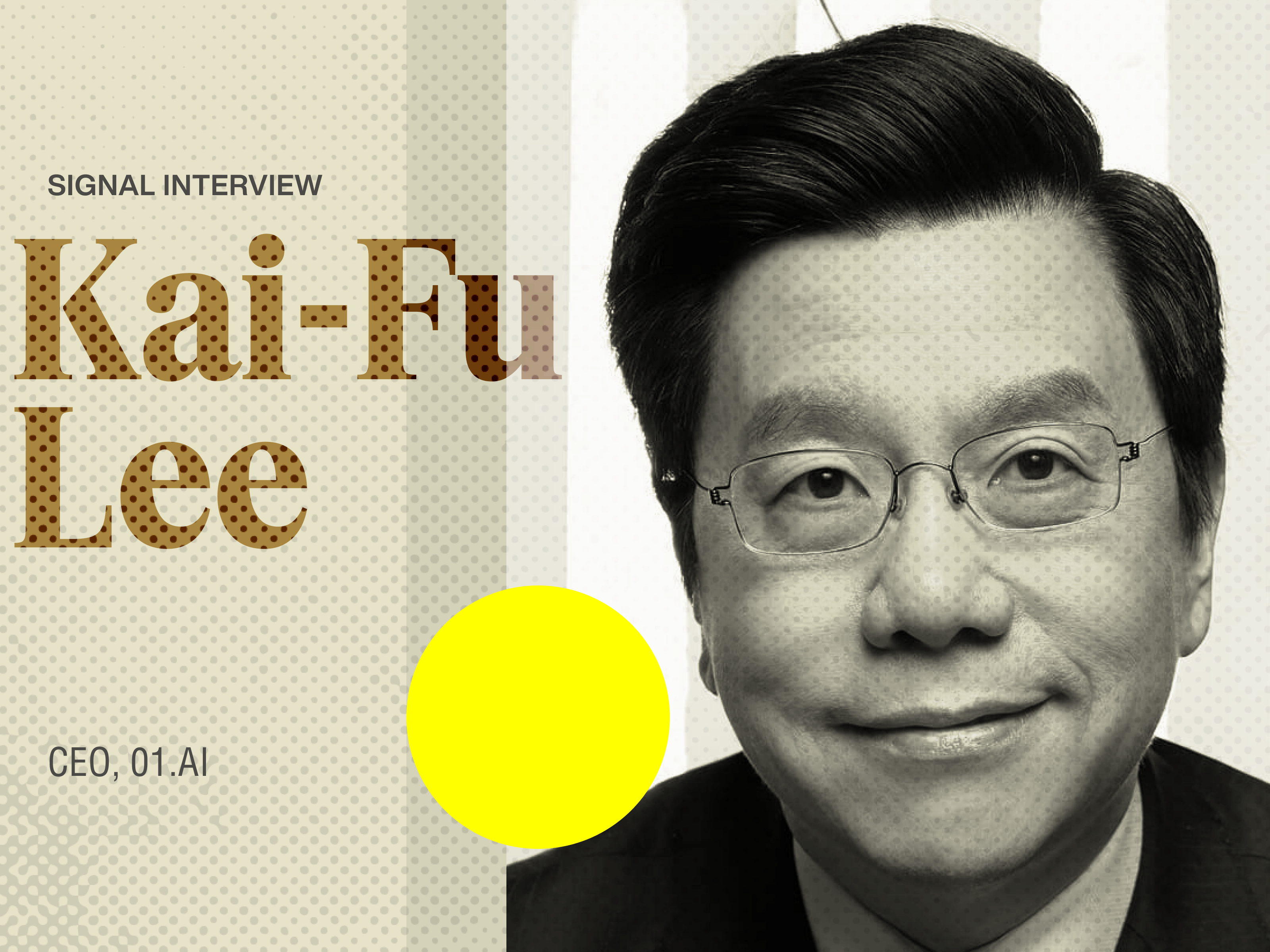
In his influential 2018 book, Kai-Fu Lee, a prominent figure in the tech industry, predicted that artificial intelligence would bring about radical changes in the world's companies. As the former head of Google China and senior executive at Microsoft and Apple, Lee is well-versed in the thinking of Silicon Valley leaders. However, with the call from Anthropic's Dario Amodei for the industry and regulators to "pace the frontier," Lee advises a different approach: "Move fast, but make sure safety keeps pace."
Lee agrees that AI developments must be matched by advances in safety and governance, and that industry collaboration is crucial, as governance and regulatory frameworks inevitably lag behind technological advancements. Currently, Lee is deeply involved in China's AI industry as chairman of Sinovation Ventures and founder-CEO of 01.AI, a venture capital firm that has shifted from building AI models to helping enterprises effectively deploy the technology.
Through his networking with CEOs, Lee has discovered two main issues: all CEOs want to transform their companies using AI, but most are doing it incorrectly. In his new book, Lee provides a roadmap for doing AI transformation right. He emphasizes that CEOs must take personal charge of their technology strategy and use "radical transparency" to gain unprecedented insights into their organization.
This approach, inspired by Bridgewater Associates founder Ray Dalio, is more readily accepted by Chinese employees than Western ones.
Lee argues that companies that fail to adapt to AI will suffer, especially those in digital industries like entertainment, gaming, and internet businesses. For businesses further from the AI frontier, such as coal mines, farms, or manufacturing plants, a three-to-five-year buffer exists before they face AI disruption. CEOs should assess whether their company's AI efforts have boosted profits, as initial AI investments can often appear more like AI theater than genuine transformation.
According to Lee, the primary mistake CEOs make is delegating AI transformation to their chief information officer. He asserts that only the CEO can define ambition, allocate resources, redesign the operating model, remove barriers, and remain accountable for results. This means each CEO must personally utilize AI effectively to demonstrate its importance to the bottom line. By doing so, a CEO shows that they understand AI's significance for the company's success.
Lee's radical transparency concept is embodied in his "Boss AI" decision assistant, which uses 19 agents to record, organize, and analyze every internal meeting, sales call, and customer service request. This enables CEOs to gain visibility into their company's operations and hold middle managers accountable for following through on their commitments.
Middle managers often fear losing their power and jobs due to resistance to AI transformation, but Lee believes that AI will create irreplaceable human roles and pay increases for those who adapt to AI skills, fostering a virtuous cycle where companies grow and improve.
Written by urgent.news from Semafor's reporting — not their text. Machine-written — may contain errors; check the original before relying on it.