STAT+: A geriatrician explains why AI for older adults deserves careful scrutiny
James Deardorff, a geriatrician at UCSF, talks about the benefits and pitfalls of using AI to make care decisions for older adults.
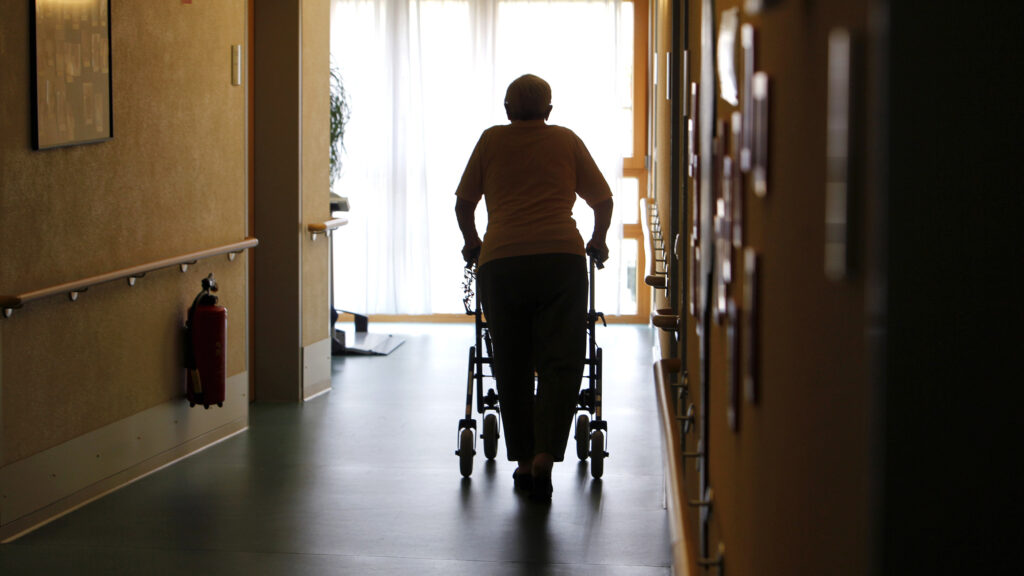
Across medicine, doctors are increasingly relying on artificial intelligence models to predict patient risk, from sepsis to falls to mortality. These predictions can be easily incorporated into electronic health records and their performance often goes unquestioned. James Deardorff, a geriatrician and assistant professor at the University of California San Francisco, has created models aimed at predicting outcomes for older adults, including mortality and the need for nursing home care.
He emphasizes that clinicians must be aware of both the algorithm's performance, especially among older patients, and the responsible use of its output.
This month, Deardorff published a commentary on a large analysis of Epic's proprietary end-of-life prediction model published in JAMA Network Open. The analysis revealed that a model's accuracy does not necessarily guarantee positive outcomes. If a patient's one-year mortality prediction is used to initiate a conversation about the goals of care, there are minimal downsides.
However, if the same prediction is used to inform a high-stakes decision like transplant priority, the consequences could be significant. Deardorff and his co-author warn that while accuracy is crucial, the context in which such AI predictions are applied demands careful scrutiny.
Written by urgent.news from STAT News's reporting — not their text. Machine-written — may contain errors; check the original before relying on it.