What the Fed rate increase tells us about the economic environment ahead
With the US Federal Reserve having raised its benchmark interest rate by 25 basis points on Wednesday to 3.75 per cent-4 per cent, its first increase since 2023, the immediate focus has now shifted to what its latest decision tells us about the economic environment ahead. More importantly, its updated projections point to another increase before the end of the year, while inflation is expected to…
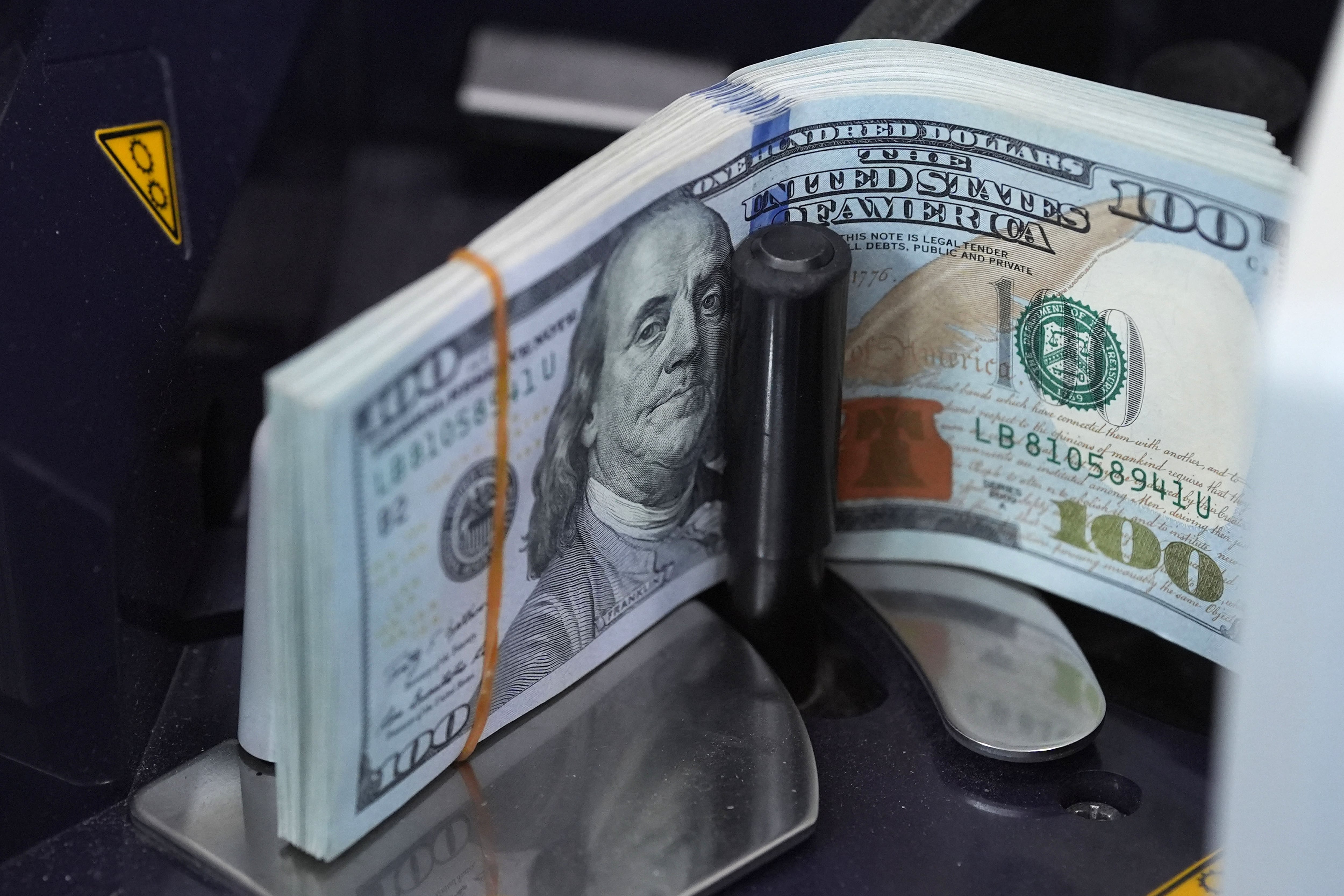
The US Federal Reserve increased its benchmark interest rate by 25 basis points to between 3.75% and 4.00% on Wednesday, marking its first hike since 2023. This move comes as the central bank expected to raise rates further before the end of the year while maintaining that inflation will remain above its 2% target through 2027. The most significant change from earlier expectations is the projection of a return towards higher borrowing costs rather than a gradual decrease.
A key development is the rise in long-term government bond yields. The 10-year Treasury yield has surpassed 5%, while the 30-year yield has reached levels not observed since before the global financial crisis. These yields are influenced by expectations for inflation and growth, government borrowing needs, and the compensation investors require for holding long-term debt.
The Fed's latest projections indicate that inflation may remain elevated and economic growth and employment could stay comparatively strong. Consequently, the central bank is tightening policy due to inflation being higher than desired despite a robust economy. This tightening stance is particularly relevant as it highlights concerns about inflation persisting at a structurally higher level, government deficits continuing to expand without causing borrowing costs to rise, and the willingness of the private sector to absorb additional government debt.
Similar trends are observed in the UK, where 30-year gilt yields are nearing 6%, European government bond yields are still considerably higher than during the post-financial crisis era, and Japanese government bond yields have increased sharply. This global bond market scenario suggests governments may need to compete for capital, a significant shift from the post-financial crisis period when central banks were major buyers of government debt, and low or negative yields were considered normal.
The immediate reaction to the higher US interest rates and Treasury yields has been positive, with short-term yields rising and expectations of further tightening growing. However, the relationship between higher US yields and the dollar is more complex. While higher US rates and Treasury yields are typically supportive of the dollar, they may also reflect concerns about fiscal sustainability, inflation, and the supply of government debt.
The dollar may benefit from its safe-haven status while grappling with uncertainties about the longer-term risk premium attached to US assets. Therefore, while the dollar may remain supported in the short term, sustained strength is not assured due to higher interest rates.
For the Gulf Cooperation Council (GCC) countries, the implications are noteworthy. Most GCC currencies are pegged to the US dollar, meaning American monetary policy directly influences domestic financial conditions. Higher US rates consequently lead to increased borrowing costs for Gulf banks, corporations, households, and governments.
However, the Gulf region is not solely a victim of higher rates. The same geopolitical factors driving global inflation have also bolstered oil prices, which have remained above $100 a barrel, providing a significant revenue boost to the region's oil exporters.
This situation creates an unusual divergence. While Gulf governments may face higher global financing costs at a time when stronger hydrocarbon revenues are improving their fiscal positions, highly indebted economies may find this more challenging. For countries with substantial sovereign wealth funds and relatively strong external balances, higher global bond yields could be more manageable compared to highly indebted economies.
Institutional investors and sovereign wealth funds, which have been seeking attractive returns in recent years, might find 5% plus yields on long-duration US government debt more appealing. The Fed's decision carries significance, but the more consequential signal could be the future trajectory of 10-year and 30-year Treasury yields.
If long-term yields decline as inflation expectations become anchored, markets might conclude that the Fed has restored confidence in price stability. Conversely, if yields remain elevated or rise further despite tighter monetary policy, it would suggest that investors believe the underlying issue is more severe than just the policy rate: persistent inflation, large fiscal deficits, geopolitical risks, and a growing supply of government debt.
In summary, while markets do not seem to be returning to the inflationary conditions of the 1970s nor is a return to ultra-low interest rates inevitable, they are increasingly pricing in a structurally higher cost of capital, greater volatility, and a smaller margin for error in monetary policy.
Written by urgent.news from The National Business's reporting — not their text. Machine-written — may contain errors; check the original before relying on it.
This story
This is one outlet's version. Read the fullest account.
- What the Fed rate increase tells us about the economic environment ahead thenationalnews.com