What the Fed rate increase tells us about the economic environment ahead
With the US Federal Reserve having raised its benchmark interest rate by 25 basis points on Wednesday to 3.75 per cent-4 per cent, its first increase since 2023, the immediate focus has now shifted to what its latest decision tells us about the economic environment ahead. More importantly, its updated projections point to another increase before the end of the year, while inflation is expected to…
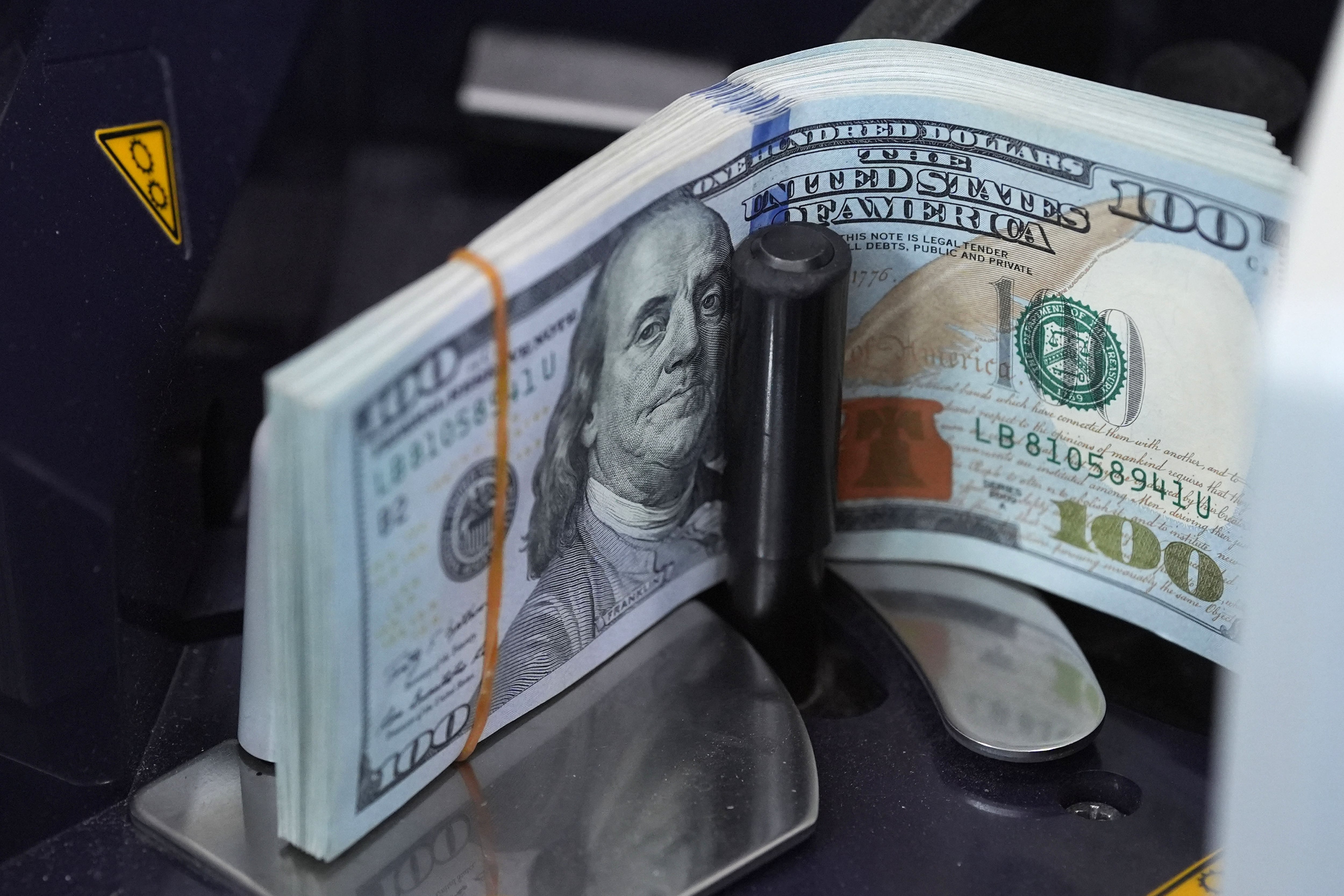
The US Federal Reserve increased its benchmark interest rate by 25 basis points to 3.75%-4 percent on Wednesday, marking its first hike since 2023. This decision signals that the Fed anticipates another rate increase before the end of the year, despite the inflation rate remaining above its 2 percent target through 2027. This shift from the assumption of gradual interest rate cuts marks a significant change in the global interest-rate cycle.
The more notable development, however, is the rise in long-term government bond yields, with the US 10-year Treasury yield surpassing 5 percent and the 30-year yield reaching levels not seen since before the global financial crisis. Long-term yields encompass expectations for inflation, growth, government borrowing requirements, and the compensation investors demand for holding long-duration debt.
The Fed's projections suggest that inflation will remain elevated while economic growth and employment remain comparatively resilient. Consequently, the Fed is tightening policy due to high inflation despite a relatively strong economy. This development is similarly evident in other regions, such as the UK, Europe, and Japan, where government bond yields have also risen significantly.
If higher US yields primarily reflect stronger economic growth and attractive investment returns, the US dollar should benefit. However, if they reflect concerns about fiscal sustainability, inflation, and government debt supply, the relationship becomes more complex. The dollar may remain supported in the short term due to its safe-haven status but does not guarantee sustained strength.
For the Gulf region, higher US rates increase borrowing costs for banks, corporates, households, and governments, as Gulf currencies are pegged to the US dollar. However, strong hydrocarbon revenues from oil exports can offset these challenges, providing a fiscal boost to oil exporters. This creates an unusual situation where Gulf governments face higher global financing costs while benefiting from stronger oil prices.
The Fed's decision is significant, but the more critical signal may be the future trajectory of 10-year and 30-year Treasury yields. If these yields fall as inflation expectations become anchored, markets may conclude that the Fed has restored confidence in price stability. Conversely, if yields remain elevated or rise further despite tightened monetary policy, it would indicate that investors believe the underlying problem is more significant than the policy rate.
This would confirm global bond markets' warning about persistent inflation, large fiscal deficits, geopolitical risks, and a growing supply of government debt. The world may not be returning to the inflationary 1970s, nor is a return to ultra-low interest rates inevitable. Instead, markets are pricing something in between: a structurally higher cost of capital, greater volatility, and a smaller margin for policy error.
Written by urgent.news from The National UAE's reporting — not their text. Machine-written — may contain errors; check the original before relying on it.
Also reported by 1 other outlet
- What the Fed rate increase tells us about the economic environment ahead thenationalnews.com