What is Polestar’s Formula 2030, and why does it matter?
Polestar will reveal its Formula 2030 concept in October, previewing the next Polestar 2 and Polestar 7 as the Swedish-Chinese EV maker looks to grow sales and move towards profitability. This is the first clean-sheet design produced under design chief Philipp Römers, who joined Polestar in January 2025, and it will preview two of the [...]
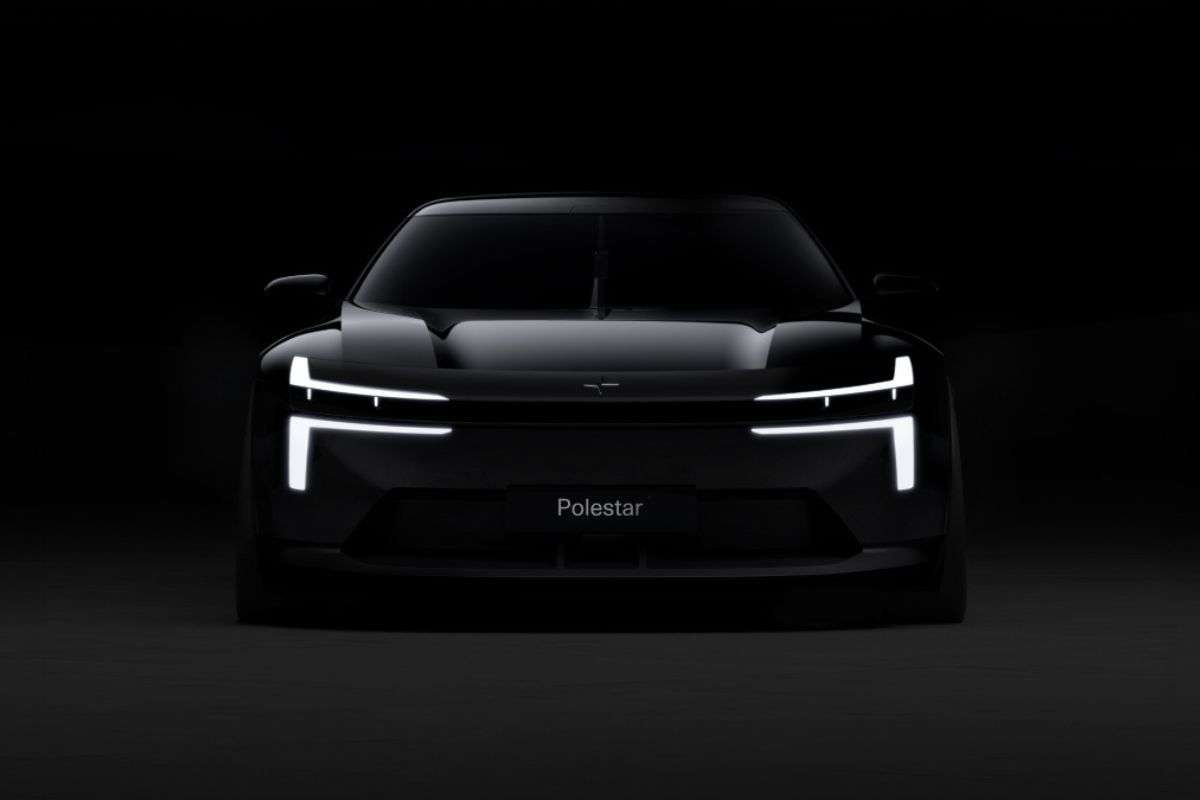
Polestar, an electric vehicle (EV) manufacturer, is set to unveil its Formula 2030 concept in October, revealing insights into the next-generation Polestar 2 and Polestar 7 models. This development is particularly significant for the Swedish-Chinese EV maker as it seeks to broaden its market presence and work towards achieving profitability. The concept car embodies a "bold evolution" of Polestar's design language, aiming to elevate the brand's identity beyond just futuristic aesthetics.
Philipp Römers, the design chief appointed in January 2025, is spearheading this clean-sheet design. The Formula 2030 preview image showcases a low and wide concept car with angular surfacing, angular front wheels, and S-duct aerodynamic features. These elements suggest a continuation of Polestar's existing design rather than a complete overhaul. The familiar blade-shaped daytime-running lights on the car indicate a refined approach rather than a complete redesign.
The Formula 2030 concept is set to influence two crucial models: the next-generation Polestar 2, slated for release in 2027, and the Polestar 7, a compact SUV expected in 2028. The Polestar 7, with its larger commercial potential, could be pivotal in the brand's growth trajectory. Compact SUVs are a dominant segment in Europe, offering Polestar a broader customer base compared to its more expensive models.
Given its current financial struggles, Polestar needs to pivot towards profitability, a goal that seems more attainable with a broader model lineup. The company reported a net loss of $842 million in the first half of 2026, a 29% improvement from the previous year, but still faces significant challenges. This includes regulatory hurdles in the US, such as the Connected Vehicle Rule, which has impacted sales.
Additionally, Polestar aims to reach 100,000 annual sales by 2027, a target that requires the new models to compete in mainstream market segments characterized by price, range, and practicality.
Thus, the Formula 2030 isn't just a concept car; it carries substantial weight in shaping Polestar's future. Römers' strategy of evolution rather than revolution might be the key to successfully integrating this new design identity into a product that can both attract customers and satisfy investors and regulators. The ultimate test for the Formula 2030 will be whether it can persuade 100,000 customers a year to purchase Polestar vehicles while ensuring the brand's long-term viability.
Written by urgent.news from City AM's reporting — not their text. Machine-written — may contain errors; check the original before relying on it.