'We simply don't know' - JP Morgan struggling to forecast oil prices due to Trump's war with Iran
The bank said it "assumed" there would be economic red lines, like oil at $100 a barrel, that the US would be unwilling the cross.
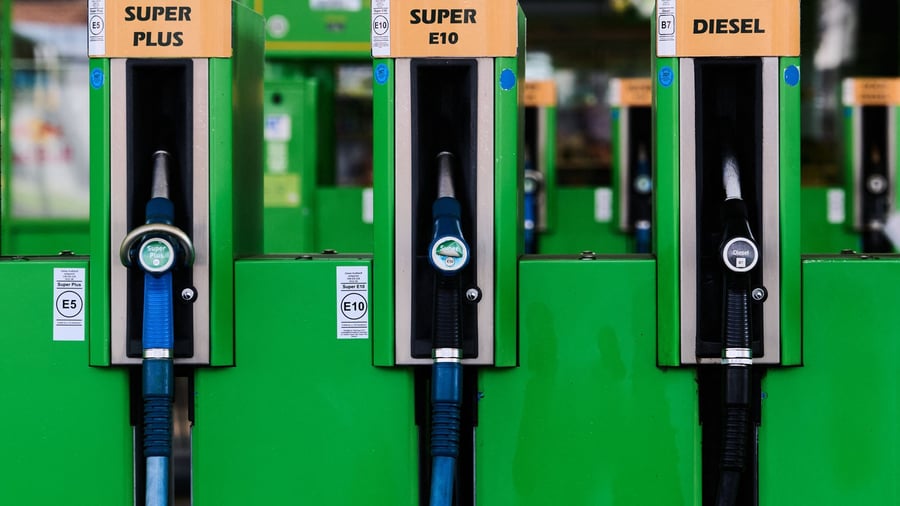
Investment banking giant JP Morgan has expressed difficulty in predicting how oil prices will be affected by the US-Iran war, admitting in a rare note that "we simply don't know how to model the endgame." The bank had initially presumed there would be economic red lines that the Trump administration would be unwilling to breach, such as oil prices exceeding $100 a barrel, inflation reaching 4%, gasoline pricing above $5 a gallon, and 10-year government borrowing rates surpassing 5%.
However, as six months have passed since the conflict began, many of these lines have been crossed, and the exit strategy remains unclear. JP Morgan's commodities research team stated, "For the first time since the start of the Iran conflict, we don't have a baseline view. We simply don't know how to model the endgame."
The market is on edge, with analysts emphasizing the uncertainty surrounding President Donald Trump's decision-making. An oil and gas industry source told the BBC that it was unusual for a prominent investment firm to issue such a note, but it is a reflection of the current state of affairs given the uncertainties surrounding the conflict.
Oil prices surged back above $100 in recent weeks, driven by inflation expectations and the commodity's widespread use. Despite gasoline remaining below $5 and inflation not yet touching 4%, the situation has become more complex as the war continues.
JP Morgan's analysts estimated the fair value for oil in September at around $90 a barrel, yet the market appears to be pricing in the risk of further supply disruptions in the Middle East, including Yemen's Houthis seizing an area at the Bab al-Mandab Strait, another critical shipping route, and the ongoing Russia-Ukraine conflict. With no clear signs of the war de-escalating, the assumption that global oil supply disruption is temporary is becoming increasingly challenging to maintain.
Written by urgent.news from BBC Business's reporting — not their text. Machine-written — may contain errors; check the original before relying on it.