We know how to shape systems to better support working mothers. So why don’t we?
As more women join the workforce and gradually gain representation in leadership roles, the lack of resources like affordable childcare and paid maternity leave has become increasingly consequential. In the first half of last year, the U.S. saw the steepest decline of working mothers with children under 5 years old in 40 years, according to a University of Kansas study , and that decline has…
As more women enter the workforce and assume leadership roles, the absence of support systems like affordable childcare and paid maternity leave has become a growing concern. A University of Kansas study revealed that the number of working mothers with children under five in the U.S. dropped to its lowest level in 40 years in the first half of last year, and the decline has continued.
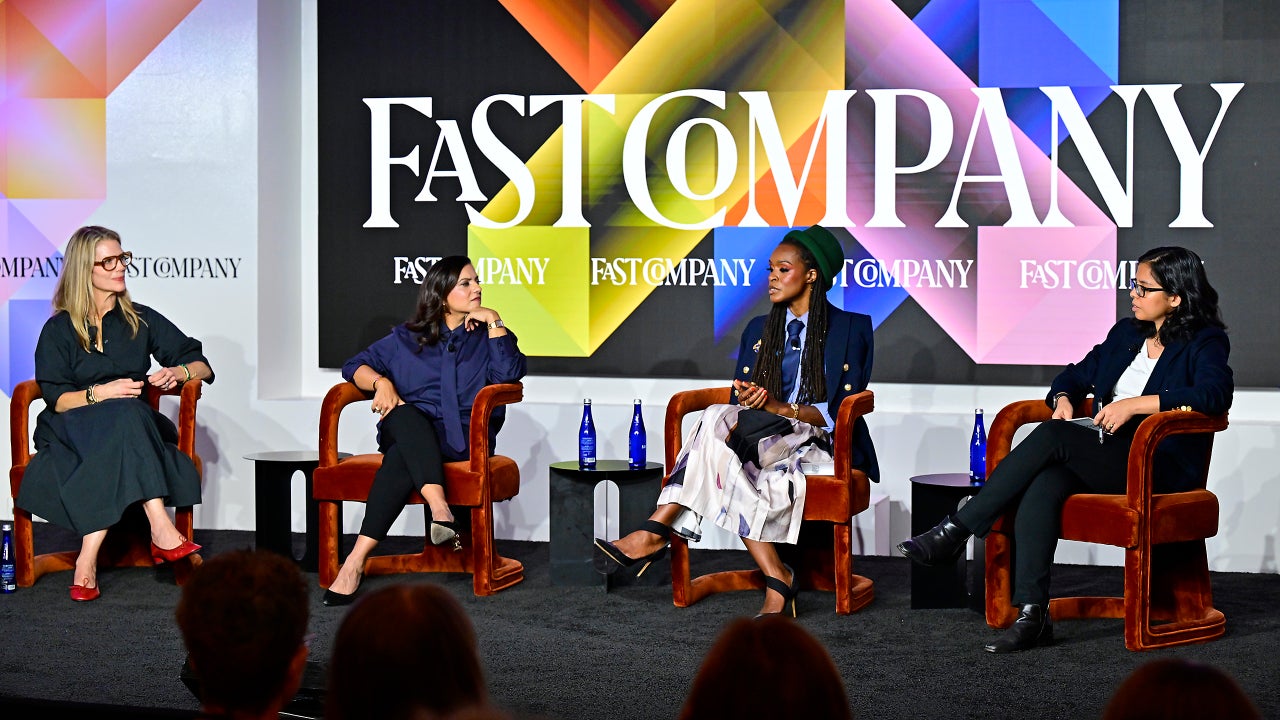
During the Fast Company Innovation Festival, panelists discussed how we arrived at this point, what mothers require, and how to enhance workplaces and support systems. Reshma Saujani, founder of Girls Who Code and CEO of Moms First, pointed out that during World War II, the Lanham Act established the first national childcare program, catering to the numerous women who joined the workforce.
She noted that when the men returned to work, those childcare centers were dismantled. During the COVID-19 pandemic, women experienced a higher job loss than men, but workplaces offered greater flexibility for parents, and substantial government childcare funding aided many women to continue working. Saujani emphasized that despite the evident popularity of affordable childcare, it has been consistently overlooked.
Alison Moore, CEO of Chief, a private membership network for women in leadership, highlighted how companies demonstrated their ability to adapt swiftly when growth and capital were present during the pandemic. She argued that we need to adopt a similar approach towards human capital, but the changes thus far have fallen short. Latham Thomas, CEO and founder of Mama Glow and Mama Glow Foundation, stressed the importance of caregiving professionals, such as doulas, who offer emotional, physical support, education, and assistance during and after childbirth.
However, these caregivers often face underinsurance, under-resourcing, and underpayment, which hampers their ability to contribute to the advancement of women. Saujani concluded that the reason behind the struggles of working mothers in America is due to intentional policy failures. She questioned why we haven't taken action to rectify these structural issues, emphasizing that every time we approach fixing these problems, we face a culture war, such as the false dichotomy between being a tradwife or a girlboss.
Until we overcome these divisions, she asserted, we cannot create a country that truly supports mothers.
Written by urgent.news from Fast Company's reporting — not their text. Machine-written — may contain errors; check the original before relying on it.