Snap is betting $3.5 billion on AR glasses that businesses can use as CEO Evan Spiegel sees a post-smartphone era
Snap CEO Evan Spiegel says the era of the smartphone is coming to an end—with smart glasses being the future.
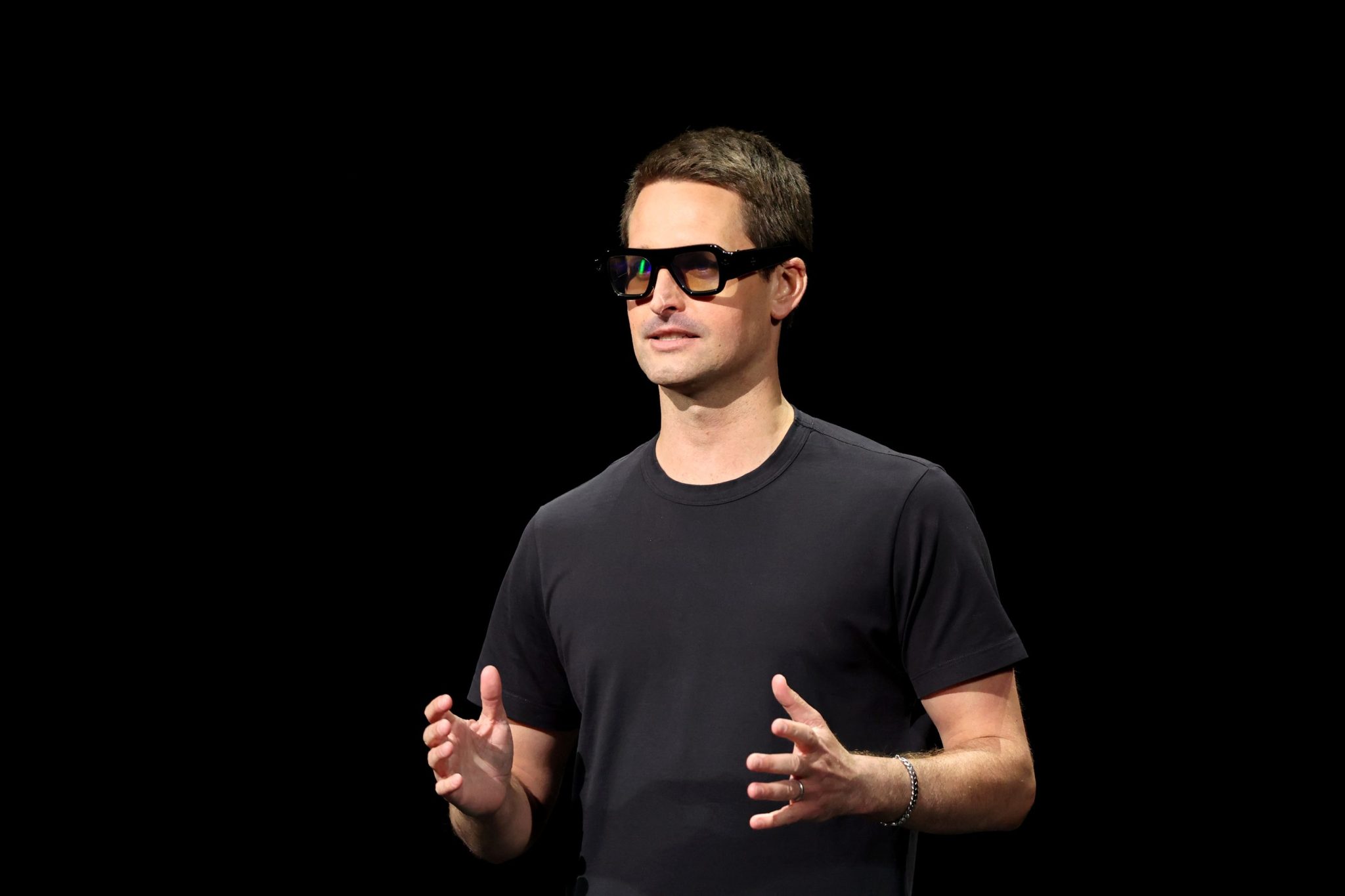
Snap, the popular social media company, is pouring $3.5 billion into augmented reality (AR) glasses, CEO Evan Spiegel believes these could help usher in a post-smartphone era. After years of failed attempts by other tech giants, Spiegel claims there is significant interest in preorders for the new AR glasses, although he did not provide specific figures.
Snap has tried and failed before with AR glasses, recording a $39.9 million loss in inventory charges related to its first-generation Spectacles in Q3 2017. However, this latest version of the Specs glasses is designed with features that appeal to businesses. Spiegel described the glasses as "a computer, not a pair of smart glasses for taking photos," highlighting their potential for streaming content, casting screens, and transforming any space into a workspace.
To support the deployment of Specs in workplaces, Snap has formed partnerships with Nvidia, Amazon Web Services, and Salesforce. Salesforce's Agentforce platform will be integrated into the glasses software, while Nvidia will provide AI capabilities to interpret visual environments. Amazon will offer an AI assistant that can respond to voice commands. Spiegel stated that Salesforce and Nvidia are making it easy for businesses to leverage agentic platforms on top of their open-source XR AI platform.
Despite Snap's significant investment in AR glasses, the pushback from activist investor Irenic Capital Management has been significant. The company argues that the investment in Specs should be funded independently. This skepticism is tied to the failure of similar initiatives by other tech giants. Meta's Reality Labs division, which focuses on virtual, augmented, and mixed-reality products, has incurred losses of around $88.1 billion from 2019 to 2025, generating only about $12.3 billion in revenue.
Google's Google Glass, another attempt at AR glasses, was released in 2014 at a price of $1,500 but was discontinued within a year, with support being terminated in 2023.
Written by urgent.news from Fortune's reporting — not their text. Machine-written — may contain errors; check the original before relying on it.