Vinegar vs. hydrogen peroxide — which natural cleaner is best for your home?
Vinegar versus hydrogen peroxide —which one is the top natural cleaner for your home?
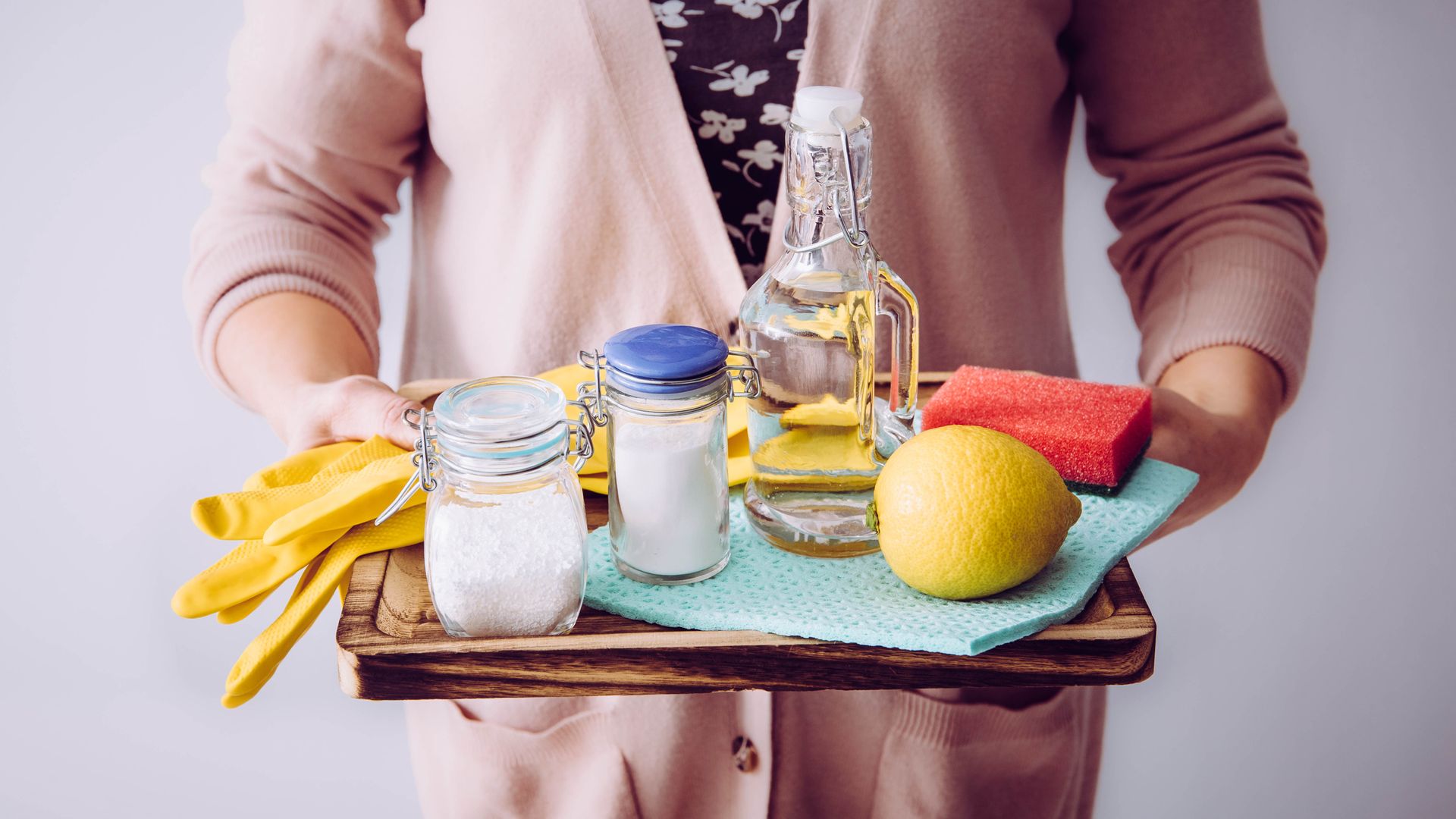
White vinegar and hydrogen peroxide are both popular natural cleaning solutions, but they each have their own strengths and limitations. Vinegar, with its 5-6% acetic acid concentration, is effective at removing limescale, bathtub scum, and marks on glass surfaces. Its acidic nature makes it ideal for cutting through built-up dirt and leaving glass spotless without harsh chemicals.
However, vinegar should not be used on marble, granite, or other natural stone surfaces, as it can damage these materials. It also does not disinfect surfaces effectively, so it is not suitable for sanitizing areas where someone is sick.
On the other hand, hydrogen peroxide, a powerful oxidizing agent, kills bacteria, viruses, fungi, and biofilms. It is non-toxic and fragrance-free, making it a great choice for specific stain removal, disinfecting surfaces, and cleaning mold and mildew. However, hydrogen peroxide can bleach or discolor colored fabrics and finishes, so it should be tested before application.
It also requires a longer dwell time (at least 10 minutes) to disinfect surfaces effectively, and it is not suitable for use on wood floors or colored grout. Ultimately, the choice between vinegar and hydrogen peroxide depends on the specific cleaning task at hand.
Written by urgent.news from Tom's Guide's reporting — not their text. Machine-written — may contain errors; check the original before relying on it.