US wheat farmers navigate uncertainty amid drought and geopolitical chaos
Some experts worry factors affecting wheat exports could push global food prices even higher than they are now Wheat prices are at their highest level in three years, which means farmer Merrill Nielsen should be getting more for his crops out of his 2,500-acre (1,010-hectare) Kansas farm. Yet even as future prices for bread-type wheat are up 39%, Nielsen is unsure whether increased prices will…
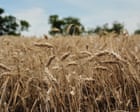
US wheat farmers are grappling with uncertainty due to a combination of drought, high costs, and geopolitical turmoil. Farmers like Merrill Nielsen, who owns a 2,500-acre farm in Kansas, are unsure whether higher wheat prices, which have risen 39% for bread-type wheat, will ultimately benefit their bottom line. The high cost of diesel fuel needed for farm equipment and the devastating effects of drought on their crops have left many farmers hesitant to plant more wheat this season.
The drought has also shriveled harvests in both the US and Europe, and a forecasted "super" El Niño phenomenon could further impact wheat crops, particularly in the southern hemisphere.
Experts warn that global wheat supplies are at their second-lowest levels on record, with Australia's wheat plantings already down 12% due to dry conditions and increased fertilizer costs. The El Niño weather pattern, fueled by climate change, poses significant threats to agriculture in the southern hemisphere, imperiling wheat production.
The situation is further complicated by geopolitical tensions, such as Russia's recent attacks on port facilities in the Black Sea, which has disrupted grain shipments from Black Sea farmers. These attacks have pushed prices up and made it difficult for Black Sea farmers to access their harvests. However, if alternative shipping routes can be found, prices may stabilize somewhat.
Analysts and farmers alike express concerns about the potential for global food prices to rise even higher than they currently are. The United Nations' Food and Agriculture Organization's food price index has already increased by 2.5% since last year, and the spike in wheat prices is attributed to more than just the war between the Ukrainians and Russians. The need for more harvested acreage of every grain is crucial for keeping food prices manageable, according to Dan Basse, president of AgResource.
In the short term, US farmers may need to increase planted acreage for wheat by about 10% to capture higher prices. However, the US has seen a structural decline in harvested acreage for wheat since 1877, as farmers have found it more profitable to plant corn and soybeans. The low levels of harvested acreage, coupled with the possibility of weather-related challenges, make it difficult for farmers to benefit from the current high prices.
Ultimately, prices will need to remain high to accommodate the surge in input costs, exacerbated by ongoing trade wars.
Written by urgent.news from Guardian Business's reporting — not their text. Machine-written — may contain errors; check the original before relying on it.