UPI MDR Explained: Are Two In Three Shoppers Paying Over ₹2,000, Will Purchases Get Costlier?
Mumbai: The government announced an important change to the Unified Payments Interface framework on Tuesday, September 15. Under the new rules, merchants will have to pay a Merchant Discount Rate of 0.4 percent on specified UPI payments above Rs 2,000. The announcement triggered concerns over whether businesses might eventually pass this additional cost on to customers. The Centre later clarified…
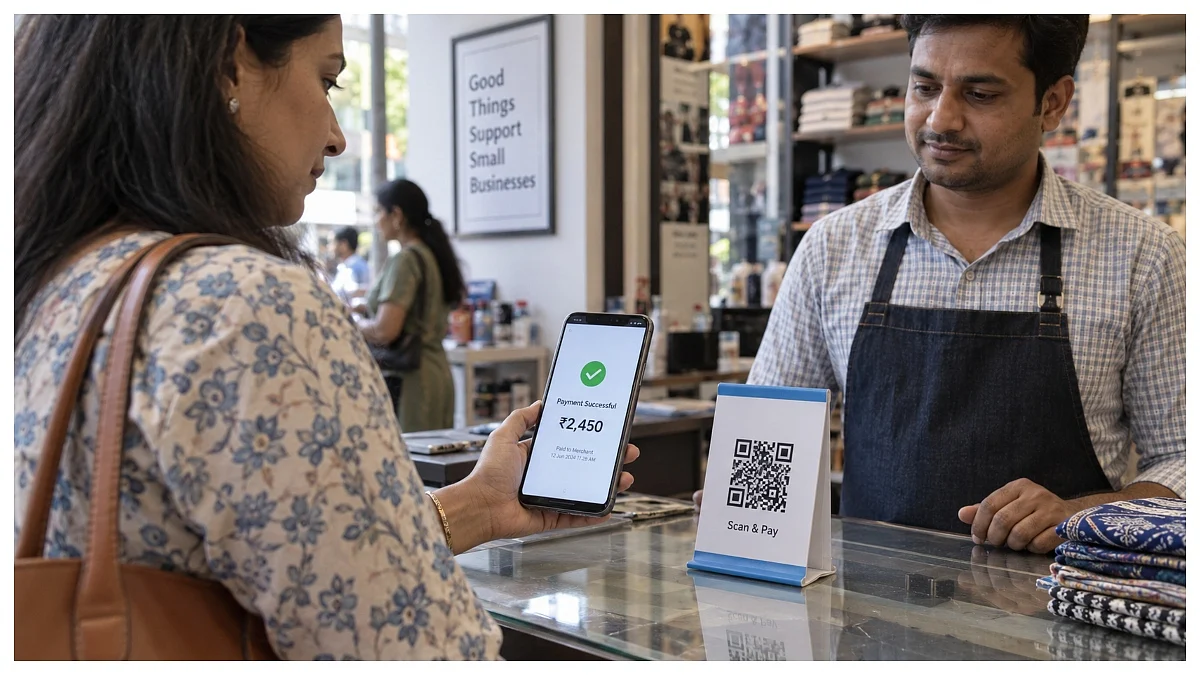
On September 15, the government introduced a new rule to the Unified Payments Interface framework that will charge merchants a Merchant Discount Rate of 0.4 percent on UPI payments exceeding Rs 2,000. This announcement has sparked worries that businesses may eventually pass this additional cost onto customers. The government later clarified that the MDR will only impact 0.4 percent of merchant transactions.
However, August UPI data has reignited questions about this estimate. According to the data, 63 percent of UPI transactions in August were person-to-merchant payments, totaling Rs 29.82 lakh crore. The remaining 37 percent were person-to-person transactions. When considering transaction values, person-to-person payments made up nearly 70 percent of the total amount transferred through UPI.
This indicates that consumers conduct a significant number of smaller payments to merchants. The government asserts that around 96 percent of UPI merchant transactions are below Rs 2,000 and are exempt from the new charge. However, the August data contradicts this claim, stating that 67 percent of transactions were above Rs 2,000.
Paytm CEO Vijay Shekhar Sharma supports the new charges, calling it a "Robin Hood" model. Small merchants, including street vendors and those classified under the person-to-person merchant category, will not face the MDR if their monthly UPI payments to personal bank accounts do not exceed Rs 1 lakh. The impact of the MDR change will depend on merchants' responses and whether they absorb the charge, modify payment options, or pass the cost to customers.
Written by urgent.news from Free Press Journal's reporting — not their text. Machine-written — may contain errors; check the original before relying on it.