This Stray Cat Turned Out to Be the First New Cat Species Discovered in Over a Century
It was living on a diet of rice, noodles, and eggs The post This Stray Cat Turned Out to Be the First New Cat Species Discovered in Over a Century appeared first on Nautilus .
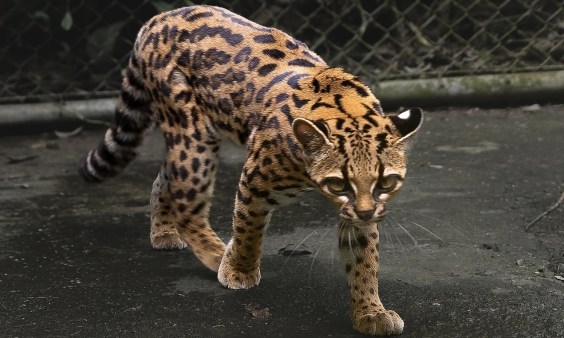
It was an unexpected twist when a stray kitten from Bolivia turned out to be a brand new cat species, the first discovered in over a century. The man who cared for the pet, initially feeding it rice, noodles, and eggs, eventually decided it would be better suited for a wildlife refuge. Upon bringing the feline to the refuge, biologist Paola Nogales-Ascarrunz made the groundbreaking discovery that it was not just a wild cat, but an entirely new species named Leopardus tilcayo.
This diminutive creature, measuring around 17 to 20 inches including its 10-inch tail, inhabits the Bolivian Yungas, a cloud forest at the foot of the Andes mountains. The distinct irregular spots were the initial indication that the cat might be a new species. To confirm their findings, Nogales-Ascarrunz and her colleagues conducted genetic tests on L. tilcayo alongside 37 other tropical cats from the same genus, also identifying four other species within the genus.
While there are numerous undiscovered animals worldwide, finding a new mammal, particularly a cat, is exceptionally rare. The last novel feline species identified was the Uruguayan pampas cat in 1923, also belonging to the same genus as L. tilcayo. The cat species had remained unnoticed by science, as there were no specimens of the cat in museums.
Locals in the area referred to the cat as "tilcayo," though the origin of the name remains unclear. Despite its newfound status, the cat was not entirely anonymous due to its familiarity among locals, who called it "tilcayo." The scientific community has welcomed L. tilcayo, emphasizing the importance of such discoveries in understanding our natural world.
Written by urgent.news from Nautilus's reporting — not their text. Machine-written — may contain errors; check the original before relying on it.