The Brain May Be Two Organs, a Discovery That Could Advance ALS Research
Learn how tracing the brain’s separate origins helped researchers grow nerve cells that could aid studies of ALS and spinal muscular atrophy.
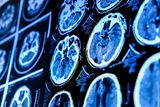
A Stanford Medicine team has proposed that the brain is composed of two separate organs with distinct evolutionary origins. This novel perspective challenges the common perception of the brain as a singular, contiguous organ. By studying mouse embryos, researchers discovered that the cells forming the hindbrain, responsible for back-of-the-brain functions, develop independently from those forming the front and middle regions.
This finding could provide crucial insights into why certain nerve cells, such as those involved in swallowing, have been challenging to grow in lab conditions. The researchers grew human nerve cells capable of sending instructions to muscles involved in swallowing, which could benefit the study of ALS (Amyotrophic Lateral Sclerosis) and spinal muscular atrophy (SMA), both of which affect the nerve cells controlling muscles.
The team also suggests that the brain's separate beginnings may reflect two ancient nervous systems that merged during evolution. Study co-first author Rayyan Jokhai expressed surprise at the findings, noting that even 500 million years ago, separate neural systems existed, now functioning as one. The researchers also observed differences in gene packaging between the two cell types, indicating that their developmental potential was already limited.
These discoveries could pave the way for new regenerative therapies for ALS and SMA by providing a better understanding of how hindbrain neurons lose their function in these diseases.
Written by urgent.news from Discover Magazine's reporting — not their text. Machine-written — may contain errors; check the original before relying on it.