Meet Earth's newest wild cat species, living in Bolivia and the first named in over a century
A previously unknown cat species has been identified in plain sight: at a wildlife sanctuary in Bolivia, where the small, spotted feline had been living for years after being taken in by a local family.
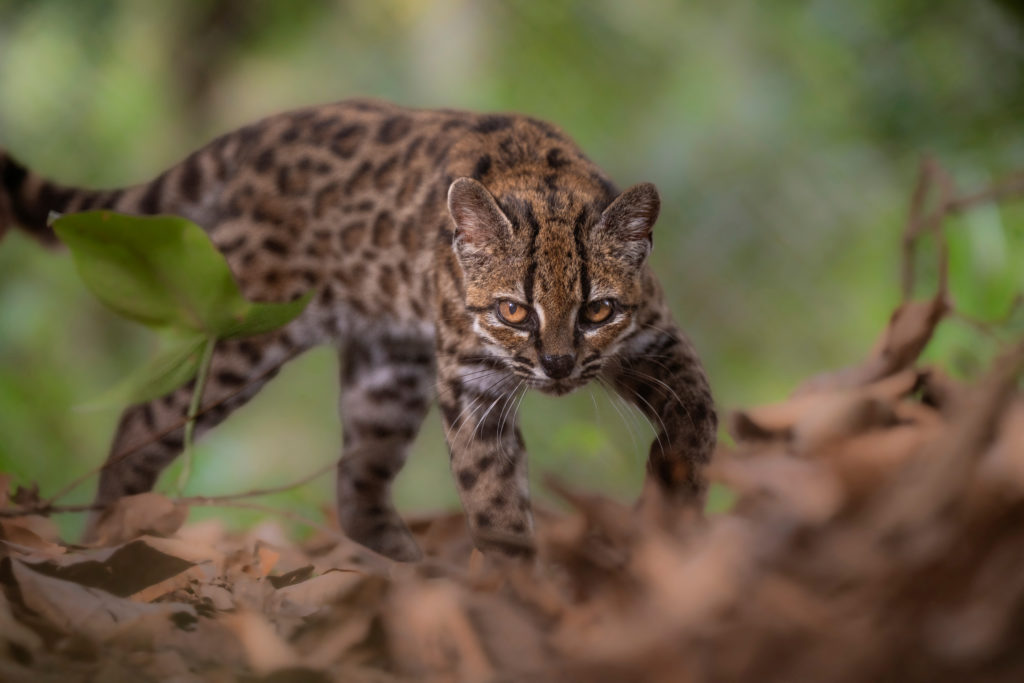
A previously unknown cat species has been identified in Bolivia. The small, spotted feline was found at a wildlife sanctuary where it had been living for years after being taken in by a local family. According to Discover Magazine, the cat, named Tigrino, was discovered as a cub in 2016 in Bolivia's Nor Yungas region and was thought to belong to the species Leopardus tigrinus.
Further study of Tigrino's DNA revealed that it belonged to a previously undescribed species, now named Leopardus tilcayo. This species is found in Bolivia's mountainous Yungas forests. The discovery also led to a review of the classification of "tiger cats," a group of small South American felines that were previously considered a single species or a collection of closely related populations.
According to Discover Magazine, genetic analyses determined that there are five distinct species within this group, including Leopardus tilcayo.
The new species, Leopardus tilcayo, measures roughly 17 to 20 inches from head to rump, excluding the tail, with dark rings across its light brown coat. Compared to Leopardus tigrinus, its markings are larger and its tail is longer and fuller, as per Discover Magazine. This is the first living wild cat species to be formally described in over a century.
Brief written by urgent.news from PBS NewsHour Science, Discover Magazine, Colombia One, Winnipeg Free Press — 4 reports on this story. Machine-written — may contain errors; check the original before relying on it.
This story
This is one outlet's version. Read the fullest account.