The 4,126-kilometre journey of three African wild dogs
Three African wild dog brothers have travelled 4,126 kilometres across Zambia after leaving their pack in search of new breeding opportunities, making it the longest recorded dispersal by an African mammal. The three males left the Mayukuyuku Pack in Zambia’s Kafue National Park in July 2025. They were three years old and part of a […]
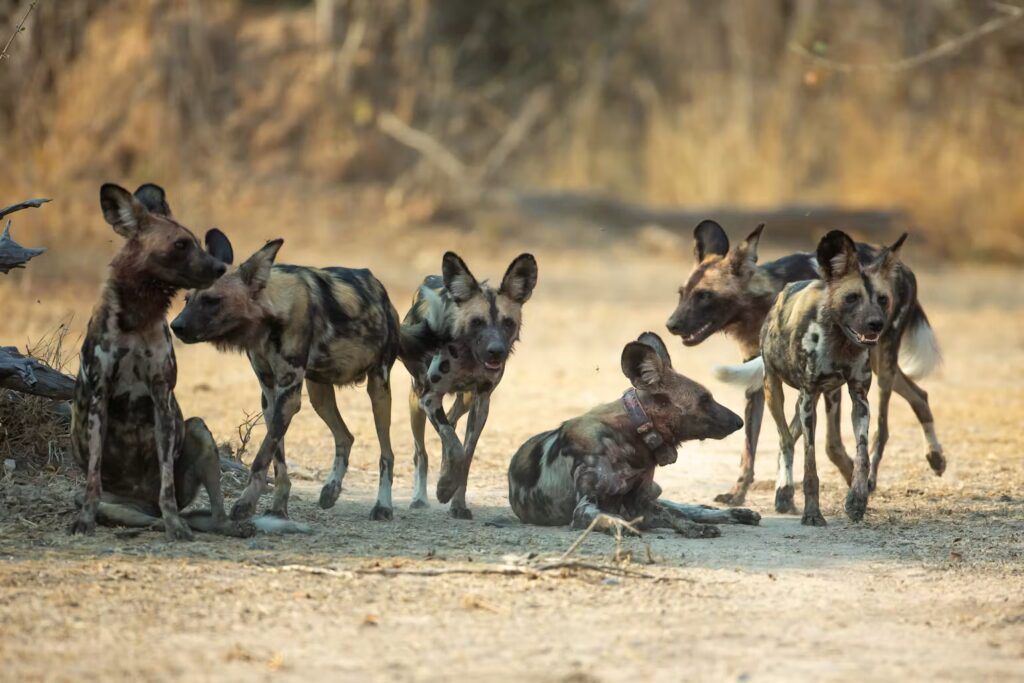
Three young African wild dog brothers embarked on a remarkable 4,126-kilometre journey across Zambia, making it the longest recorded dispersal by an African mammal. In July 2025, the three males left their pack in Kafue National Park and made their way eastward, travelling through protected and unprotected landscapes, crossing roads, and navigating around large reservoirs.
By April 1, 2026, they had settled in the Luangwa Valley ecosystem, a distance equivalent to the length of over 100 football pitches. Lead researcher Scott Creel noted that the scale of their movement exceeded expectations, highlighting the species' extraordinary ability to traverse vast distances.
The journey was not unique to the three brothers. Researchers tracked four dispersing groups of wild dogs, covering a combined 9,863 kilometres. The movements included groups of four females from the Mayukuyuku Pack and Kasweta Pack, as well as a group of three females from the Luamfwa Pack. These dispersals demonstrated the species' capacity for long-distance travel, with one female travelling over 2,300 kilometres before dying in a wire snare.
Despite the extensive journeys, the study found that these movements did not guarantee successful connectivity between wild dog populations. The animals must survive the journey, immigrate into another population, and reproduce to achieve genetic or demographic connectivity. The researchers emphasised the risks faced by wild dogs, particularly those outside protected areas, where they often encounter roads, urban areas, and other human infrastructure, including wire snares.
Written by urgent.news from MyJoyOnline Ghana's reporting — not their text. Machine-written — may contain errors; check the original before relying on it.