Study links air pollution to death by suicide, suicidal thoughts
The researchers explained that air pollutants and water polluted with arsenic, lead, lithium or nitrate, have been linked to neurological effects, including chronic inflammation and nerve damage, which can impair brain function and influence mood and stress resilience
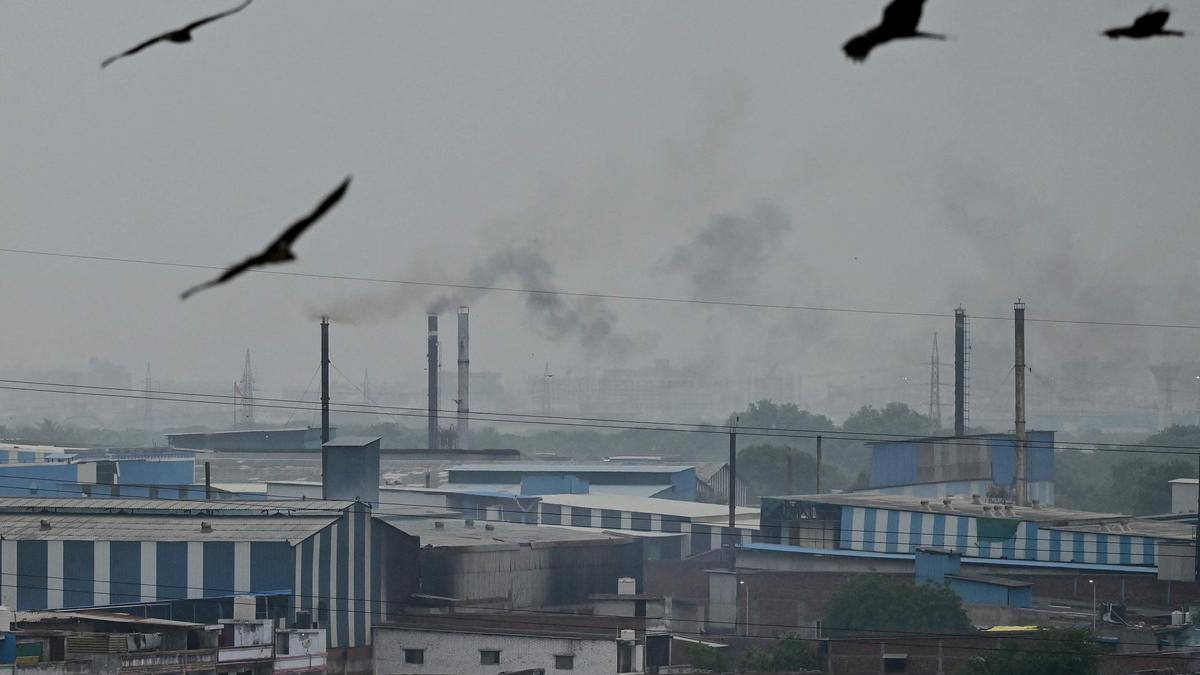
A recent study suggests that exposure to air pollution may increase the risk of suicide and suicidal thoughts. Researchers from Queen's University Belfast analyzed data from 29 studies and found significant associations between short-term and long-term exposure to particulate matter (PM2.5 and PM10) and nitrogen dioxide (NO2) with the risk of death by suicide, attempted suicide, and suicide ideation.
The study emphasizes the need to consider environmental exposures as potential modifiable risk factors in suicide prevention strategies. While the effect sizes in the included studies were relatively small, the researchers point out that air pollutants and water polluted with various substances, such as arsenic, lead, lithium, and nitrate, have been linked to neurological effects, including chronic inflammation and nerve damage.
These effects may impair brain function and influence mood and stress resilience. Experts, including Ben Mullins from Curtin University's School of Population Health, suggest that the study is one of the first to explore the link between air pollution and suicide, noting that many air pollutants may cause wide-ranging neurological effects.
However, the study's authors acknowledge that confounding factors and other explanatory variables were not adequately addressed, highlighting the need for further research to better understand the relationship between air pollution and suicide.
Written by urgent.news from The Hindu - Sci-Tech's reporting — not their text. Machine-written — may contain errors; check the original before relying on it.
This story
This is one outlet's version. Read the fullest account.