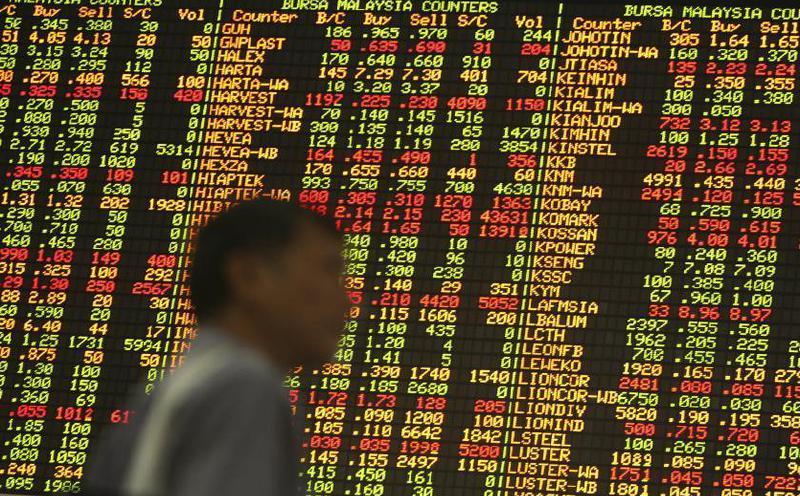
Stocks rise as oil dips, yen wobbles ahead of Bank of Japan meeting
Japan's central bank is set to raise interest rates to a 31-year high.
Asian shares climbed and the US dollar remained stable on September 18 as global policymakers intensify efforts to curb inflation. A drop in oil prices bolstered investor confidence ahead of an anticipated rate increase from the Bank of Japan (BOJ). The ongoing conflict in the Middle East, with its prolonged duration, has kept oil prices above $100 per barrel and heightened inflation concerns worldwide.
Speculation about alternative Middle Eastern oil supply routes to markets buoyed Brent crude futures, which fell by 1% to $103.77 a barrel, despite concerns surrounding potential Saudi-Yemeni military strikes. Traders also reacted to the previous night's Wall Street rally, driven by downbeat tech stocks. Bond prices remained stable after suffering a sharp sell-off this week, pushing the 10-year US Treasury rate above 5% to its highest level since 2007, previously reaching 4.93%.
In Asia, MSCI's Asia-Pacific index outside Japan gained 0.55%. Japan's Nikkei increased by 0.9%, while South Korea's KOSPI rose by 2%. The Bank of England indicated on September 17 that it might need to raise interest rates should the Middle East conflict persist. The US Federal Reserve raised rates on September 16 for the first time in three years and signaled further hikes in the coming months.
The European Central Bank had previously cautioned about the necessity of further rate hikes, raising them as well. Chris Weston, head of research at Pepperstone, noted that "if bonds reverse and yields push higher again, volatility could quickly return." For now, however, buyers have regained control, and the post-Fed risk-off pattern has weakened.
The yen weakened to 156.23 per US dollar in early trading as market participants anticipated the BOJ's decision later in the day. The BOJ is slated to raise interest rates to a 31-year peak and commit to more measures to combat inflation concerns. Michael Wan, currency strategist at MUFG, stated, "The key as such for markets is not just whether BOJ hikes, but also how it hikes and the communication by Governor Ueda on the path moving forward."
The yen has appreciated in September due to expectations of more aggressive BOJ rate hikes and early indications of Japanese investors repatriating funds. However, it has lost some of these gains this week as the US central bank adopted a more hawkish stance. "With a 25 basis point hike already priced in, the hike alone should do little to support the yen," said Sarah Hammoud, currency strategist at Commonwealth Bank of Australia.
"Governor Ueda will need to convince markets that the BOJ is inclined to hike rates at a faster pace. We expect the BOJ to hike rates again in December. We consider the risk to be that Ueda fails to match the market's hawkish expectations." The euro stood steady at $1.148 but was on track for a 1% weekly decline, its most significant drop since June. In commodities, gold rose 0.5% to $4,361 an ounce.
Written by urgent.news from Straits Times Business's reporting — not their text. Machine-written — may contain errors; check the original before relying on it.
This story
This is one outlet's version. Read the fullest account.
- Bank of Japan raises interest rates to 31-year high nst.com.my
- Bank of Japan set to raise interest rates to 31-year high businesstimes.com.sg
- Bank of Japan set to raise interest rates to 31-year high channelnewsasia.com
- Bank of Japan raises interest rates by 25 basis points. Bitcoin tops $77,000 coindesk.com
- Bank of Japan raises rates to 1.25% ft.com