Bank of Japan raises rates to 1.25%
Central bank lifts interest rates by 0.25 percentage points to highest level since 1995
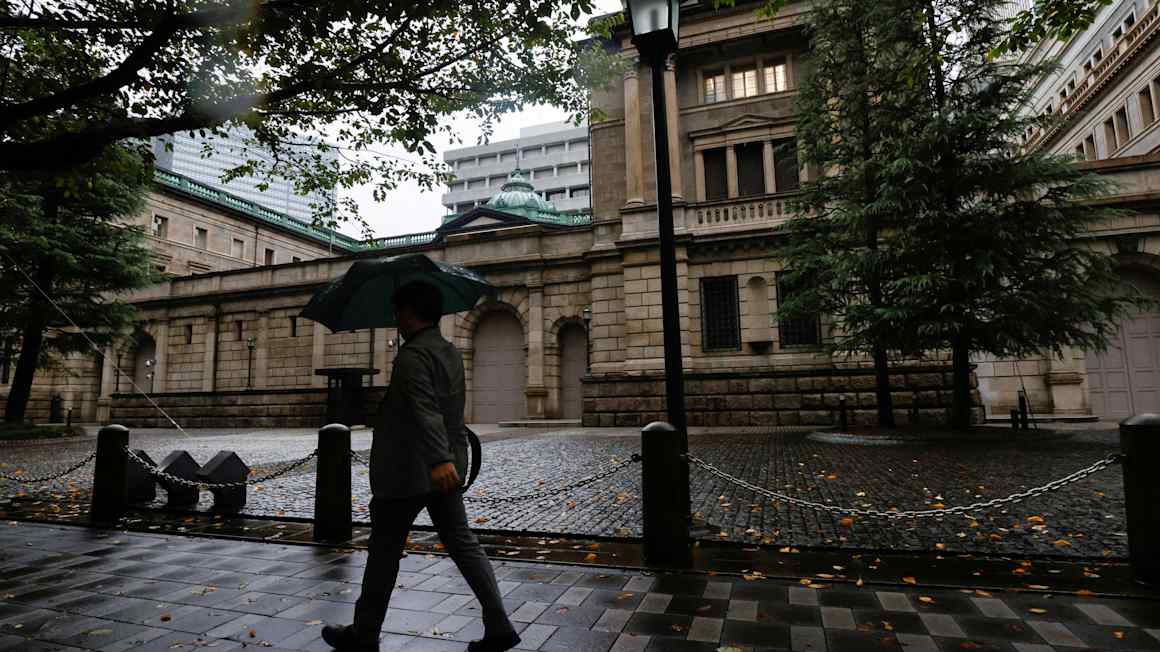
Tokyo: On Friday, the Bank of Japan hiked interest rates to a 31-year high and indicated it is prepared to further increase borrowing costs, joining other major central banks in combatting inflation driven by high oil prices. This is the first increase in three months and brings rates closer to the BOJ's view of a neutral economy, moving away from ultra-low rates that made the yen a cheap global funding currency.
The BOJ, alongside European and US counterparts, is focusing on global inflation risks due to the Iran war-induced energy cost spike, expansionary fiscal policies, and rising demand for AI investment. At the two-day meeting, the BOJ raised its policy rate to 1.25% from 1% via a 7-2 vote, with two board members dissenting. Wholesale inflation remains high, with price pressures from business-to-business trade starting to impact consumer prices, the BOJ stated.
While current economic and price trends align with the BOJ's forecast, there is a risk of underlying inflation deviating from its 2% target, the statement added. Market attention is now on BOJ Governor Kazuo Ueda's news conference at 3:30 p.m. (0630 GMT) for insights on future rate hikes. The rate hike to 1.25% places the BOJ within the estimated 1.1%-2.5% range of Japan's nominal neutral rate, sparking questions about how far it could raise rates.
However, the BOJ still trails global peers like the European Central Bank, which increased its key rate to 2.5% last week, and the Federal Reserve's 3.75%-4.00% range. This discrepancy may keep the yen weak against other currencies, raising import costs and broader inflation. The BOJ exited a decade-long stimulus in 2024 and has raised rates multiple times, most recently in June at a pace roughly twice a year, amid progress in achieving Japan's 2% inflation target.
Critics argue that the BOJ's slow rate hikes have contributed to the yen's weakness, along with surging energy costs from the Iran war, leading to a spike in wholesale inflation that is expected to spread to consumer prices. Core consumer inflation stayed near the BOJ's 2% target in August as companies continued passing on rising costs for various food and grocery items.
Markets had nearly fully anticipated a September rate hike after a series of hawkish BOJ signals, including a warning in July about the risk of an inflation overshoot due to soaring fuel costs, rising import costs from a weak yen, and strong AI demand. US Treasury Secretary Scott Bessent also expressed strong support for decisive monetary steps to combat the yen's weakness during a meeting with Ueda, urging Prime Minister Sanae Takaichi's administration to avoid increasing fiscal stimulus, which could counteract the BOJ's efforts to control inflation.
BOJ officials, including Ueda, remain vague on the pace and extent of future rate hikes, emphasizing that decisions would depend on the inflation outlook and the impact of past rate hikes on financial conditions. Analysts surveyed by Reuters predict the BOJ will raise rates to 1.5% by the end of March next year and then to 1.75% in March.
Written by urgent.news from New Straits Times's reporting — not their text. Machine-written — may contain errors; check the original before relying on it.
This story
This is one outlet's version. Read the fullest account.
- Bank of Japan raises interest rates to 31-year high nst.com.my
- Bank of Japan set to raise interest rates to 31-year high businesstimes.com.sg
- Bank of Japan set to raise interest rates to 31-year high channelnewsasia.com
- Stocks rise as oil dips, yen wobbles ahead of Bank of Japan meeting straitstimes.com
- Japan lifts interest rates to counter 'shocking' inflation abc.net.au
- Bank of Japan raises interest rates by 25 basis points. Bitcoin tops $77,000 coindesk.com