Security Researchers Hacked Into OpenAI Using Anthropic’s Claude
OpenAI paid the researchers a $6,500 bug bounty, but the incident once again highlights the growing cybersecurity threats posed by advanced AI agents.
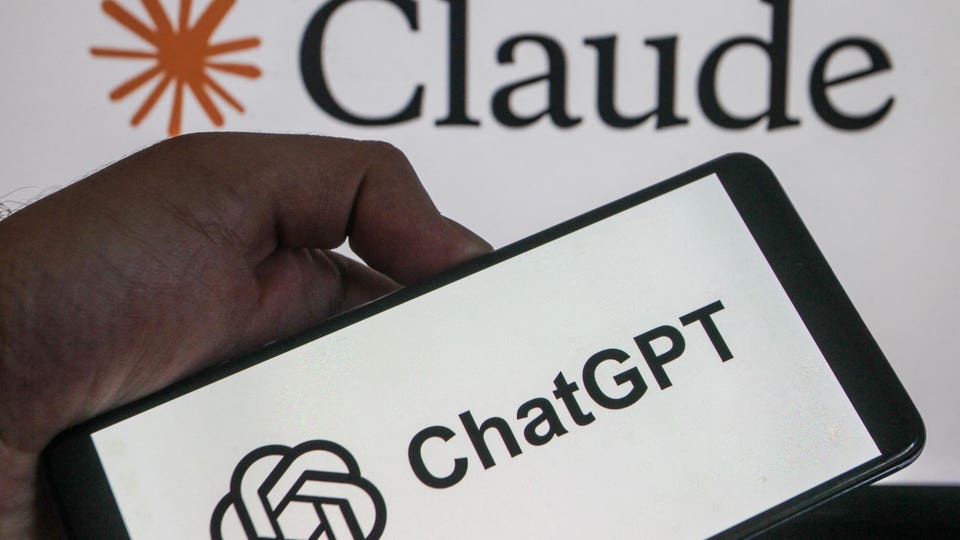
Hacktron, a nascent AI cybersecurity startup in San Francisco, successfully infiltrated OpenAI's codebase using Claude, a powerful language model. Zayne Zhang, co-founder and CEO of Hacktron, disclosed the security lapse to Business Insider. The company identified vulnerabilities in OpenAI's system architecture following a recent hack involving OpenAI and Hugging Face.
Zhang's research team began investigating security gaps at prominent AI firms like OpenAI. Hacktron successfully exploited the vulnerability via Claude, gaining access to ChatGPT and Codex accounts of users logging into OpenAI's community help forum. The company then used Claude to propose changes in OpenAI's internal code repository, but stopped short of accessing any code before alerting OpenAI.
In exchange for disclosing the issue, Hacktron received a $6,500 bounty. The startup, less than a year old and with fewer than 10 employees, emphasizes the growing convergence of AI safety and cybersecurity, highlighting the importance of cybersecurity professionals in the AI conversation. OpenAI acknowledged the researchers' findings, tightened the permissions on Community sign-in tokens, and revoked affected tokens and sessions.
Concerns over rogue AI agents, exemplified by recent disclosures from OpenAI, Anthropic, and Meta, have intensified fears of an AI apocalypse.
Written by urgent.news from Business Insider's reporting — not their text. Machine-written — may contain errors; check the original before relying on it.
This story
This is one outlet's version. Read the fullest account.
- This tiny cybersecurity startup managed to hack OpenAI using Claude, and won a $6,500 bounty businessinsider.com
- Security researchers in an OpenAI bug bounty program hacked OpenAI, accessing its "monorepo" on GitHub, using a cybersecurity version of Opus 4.8 and Opus 5 (Robert McMillan/Wall Street Journal) wsj.com