Panama Canal stress signals broader shipping squeeze ahead
THE headline-grabbing global attention is simple enough: a shipowner reportedly paid more than US$5 million for a single Panama Canal transit slot.
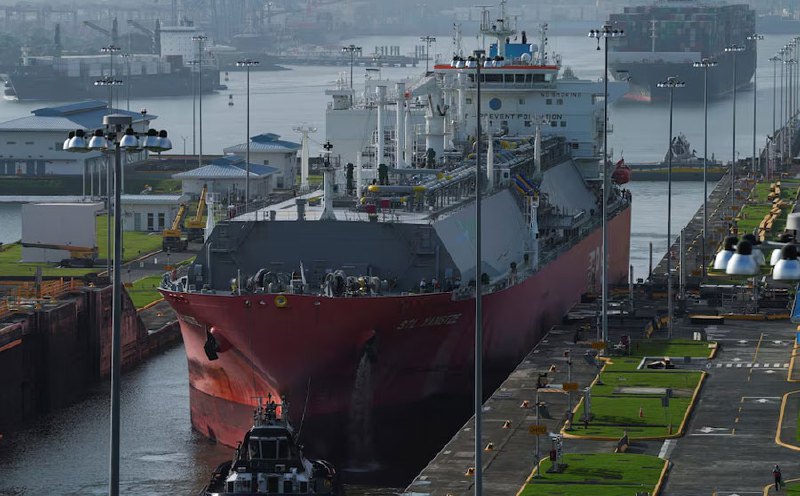
A high-profile shipowner reportedly paid over $5 million for a single transit slot through the Panama Canal, signaling a potential historic surge in shipping costs. This fee surpassed earlier bids of around $4 million and represents the increasing distortion of shipping markets due to geopolitical disruptions. However, the main concern lies ahead as energy shipping is just one aspect of the issue.
The next test for global logistics is likely to come from container shipping, with demand increasing during key retail periods like Black Friday and Christmas. Shipping analysts predict that this year's container volumes will follow a similar trend, despite earlier shipments due to tariff uncertainty and geopolitical risks. The Panama Canal has experienced a surge in auction prices driven by disruptions in the Strait of Hormuz, altering energy trade patterns and causing more vessels to seek alternative routes.
The canal authority reports a 17% increase in average transits through the canal since late February, when the US and Israel launched strikes against Iran. Energy cargoes have become an important driver of volumes, with importers rerouting cargoes due to tanker traffic disruptions from the Middle East. This has led to dramatic increases in auction premiums, with slots now attracting bids of around $385,000 to $425,000.
The Panama Canal faces pressure from two unrelated forces: rising demand from cargo rerouting linked to Middle East disruptions and potential lower transit capacity due to water shortages from El Niño. The canal authority has announced plans to reduce daily transits to 32 to 34 vessels per day, exacerbating the squeeze as demand rises while supply falls.
This situation is mirrored in the wider container network, with shipping disruptions changing how efficiently fleets are used. The Panama Canal, nearly 13,000km from the Gulf, has become a clear gauge of how Middle Eastern disruptions are rippling through the global economy, suggesting that major chokepoints should be viewed as parts of a single interconnected system.
Written by urgent.news from New Straits Times's reporting — not their text. Machine-written — may contain errors; check the original before relying on it.