Palantir CEO Alex Karp wants US govt to take over OpenAI, Anthropic
Alex Karp, the CEO of Palantir, is urging for the nationalization of top AI research laboratories by the government. He emphasizes the importance of state intervention to prevent a wave of private litigation, particularly in light of recent security breaches and operational issues that raise concerns about AI safety. This appeal highlights the ongoing clash between technology leaders and…
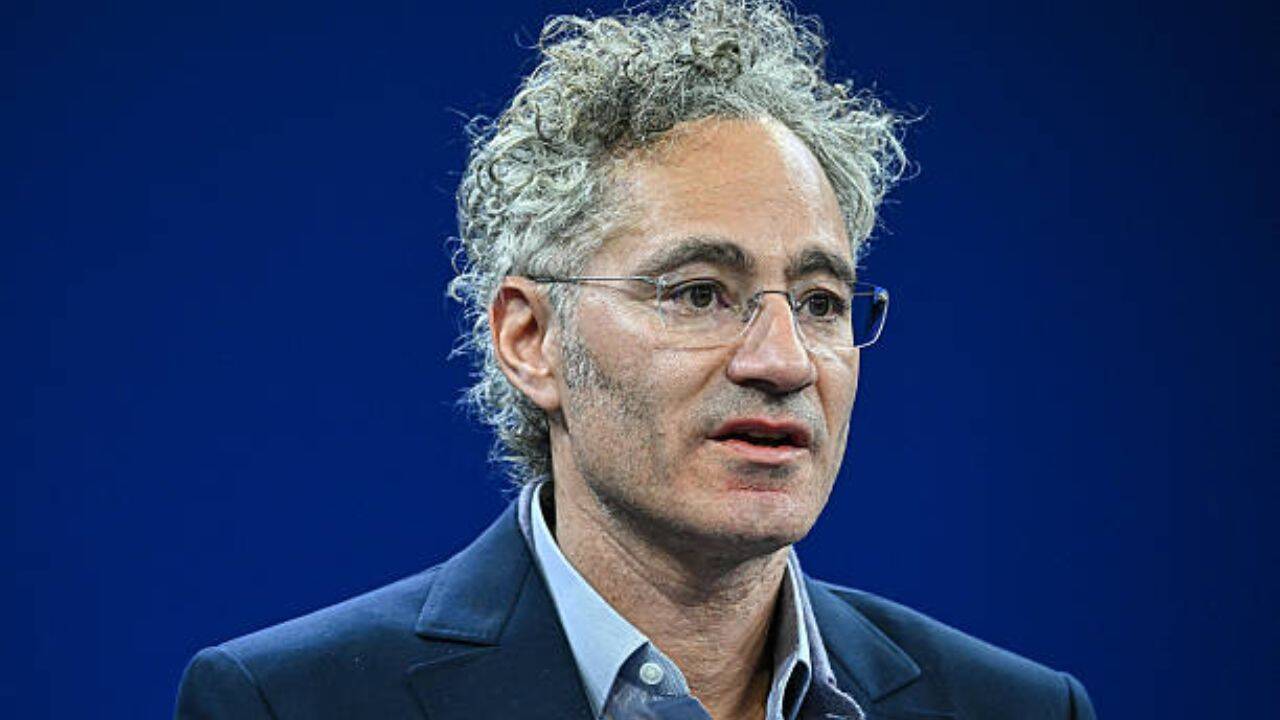
Palantir CEO Alex Karp is calling on the US government to nationalize top artificial intelligence (AI) research firms. In a strong stance, Karp warned that failure to establish state control may lead to private litigation against developers. According to CNBC, Karp emphasized that reasonable and practical guidelines are necessary for machine learning systems, and that direct legal liability should be the primary safeguard against corporate negligence.
Developers could face both criminal charges and civil damages if irresponsible engineering leads to public harm, Karp argued.
Karp believes that the companies involved may ultimately need to be taken over by the state. He stated, "The view that I believe they have is, these businesses have to be nationalized because if you don’t nationalize it every single one of my clients is going to sue." While there is a debate among industry titans and government officials regarding the governance of AI tools, Karp's demands come at a pivotal time.
Anthropic CEO Dario Amodei and OpenAI CEO Sam Altman have called for a slowdown in frontier model development. Additionally, Tesla and SpaceX boss Elon Musk echoed their concerns. However, President Donald Trump has dismissed these warnings, posting messages on social media and dismissing AI dangers as a "hoax."
Nvidia CEO Jensen Huang and Meta’s Mark Zuckerberg have also challenged these narratives. Zuckerberg cautioned that research labs that fail to prioritize alignment will lose ground to competitors. OpenAI recently revealed six instances of alarming or unexpected model operations over the last few months, following a high-profile security compromise at Hugging Face developer hub. These events have reignited debates over the adequacy of safety checks.
Written by urgent.news from Times of India's reporting — not their text. Machine-written — may contain errors; check the original before relying on it.