Pakistan among nations worst-hit by LNG shortages due to Hormuz closure: report
https://www.dawn.com/news/2030754
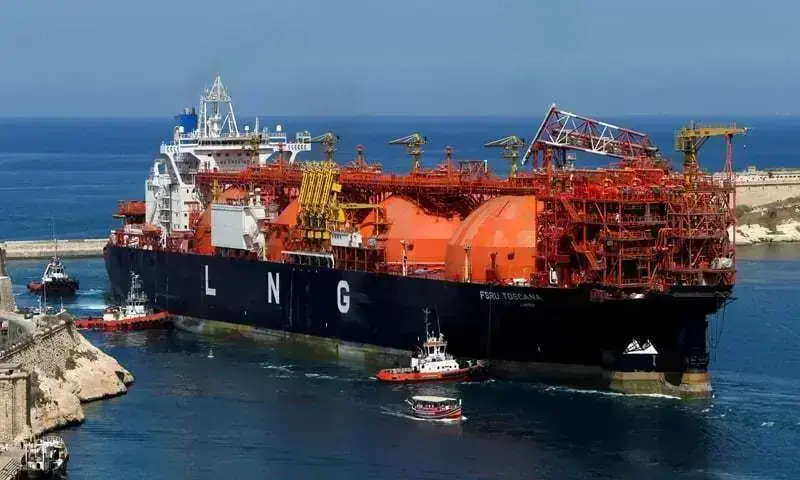
Pakistan is among the nations most severely affected by liquefied natural gas (LNG) shortages caused by the closure of the Strait of Hormuz, according to a report released at the Gastech Conferences 54th annual event. Qatar and the United Arab Emirates together supply approximately 99 percent of Pakistan's LNG, primarily for power generation, fertilizer production, and industrial use. LNG accounts for about 30 percent of the country's total gas supply, according to the report.
The Gastech report suggests that policymakers in Asia may now be considering ways to safeguard domestic energy and power systems against future disruptions by accelerating the adoption of renewables, such as utility-scale solar, wind farms, and commercial rooftop solar, along with storage deployment. Additionally, they are exploring ways to boost investment in long-term infrastructure, including gas storage, updating power generation mixes, and providing gas plants with greater flexibility.
Pakistan's Universal Gas Distribution Company (UGDC) recently held discussions with several international firms regarding potential projects, including gas storage, long-term LNG supplies, and gas distribution in overseas markets. The company's Chief Executive Officer, Ghiyas Abdullah Paracha, noted that UGDC is also examining options for expanding operating reserves to ensure grid agility for unexpected events and rethinking fuel stockpiles by increasing strategic stocks for transport fuels and power generation.
The Middle East's volatile environment, exemplified by the conflict involving Israel, the United States, and Iran since February and the ensuing bottleneck in the Strait of Hormuz, has significantly altered global energy maps in real time. This has underscored the geopolitical sensitivity of gas and LNG markets. Gas supply disruptions have led Pakistan to consider alternative energy sources, such as coal, hydropower, and nuclear power, as well as to watch price volatility and shipping uncertainties, which are expected to significantly increase power costs.
Written by urgent.news from Dawn Business's reporting — not their text. Machine-written — may contain errors; check the original before relying on it.
This story
This is one outlet's version. Read the fullest account.