LNG shortages hit Pakistan badly due to closure of Hormuz: report
https://www.dawn.com/news/2030754
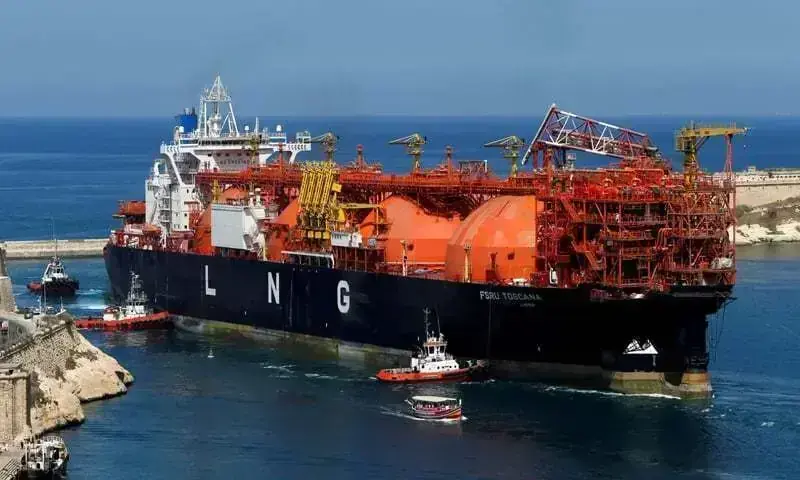
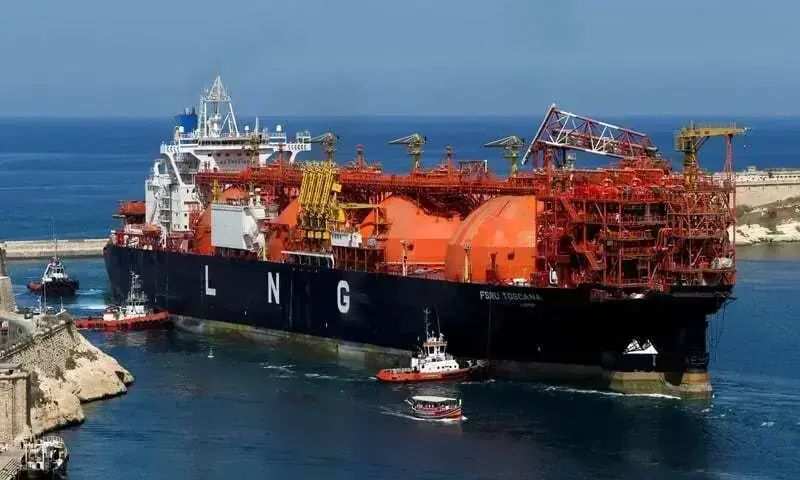
Pakistan is facing severe shortages of liquefied natural gas (LNG) due to the closure of the Strait of Hormuz, according to a recent report. Qatar and the UAE together provide about 99% of Pakistan's LNG, which is primarily used for power generation, fertilizer production, and industrial purposes. LNG comprises roughly 30% of the total gas supply in Pakistan.
The Gastech Conferences, in its report titled 'The Outlook for Gas and LNG Markets in Asia,' released during its 54th annual event, suggests that policymakers in Asia are now reviewing ways to future-proof their domestic energy and power systems. This could be achieved through accelerated investments in renewable energy sources like solar and wind farms, as well as commercial rooftop solar, and enhanced energy storage capabilities.
Additionally, policymakers may be focusing on updating power generation mixes and improving the flexibility of gas plants.
The Universal Gas Distribution Company (UGDC) in Pakistan has been actively engaging with international firms to explore potential projects, such as gas storage, long-term LNG supplies, and gas distribution in overseas markets. UGDC's Chief Executive Officer, Ghiyas Abdullah Paracha, revealed that the company has received more interest than expected from potential partners seeking to build gas storage facilities and sign long-term LNG contracts.
The ongoing conflict between Iran, the United States, and Israel has significantly impacted the Middle East's energy landscape, disrupting gas supply and highlighting the geopolitical sensitivity of gas and LNG markets. Pakistan's government is considering alternative energy sources, such as coal, hydropower, and nuclear power, to mitigate the effects of LNG shortages. However, rising fuel prices and shipping uncertainties are expected to increase power costs in the country.
Written by urgent.news from Dawn Business's reporting — not their text. Machine-written — may contain errors; check the original before relying on it.