NASA’s new Roman Space Telescope sees starlight for the first time
NASA’s Roman Space Telescope has captured its first starlight. The blurry test image will help engineers prepare the telescope for its first science images, expected in early 2027.
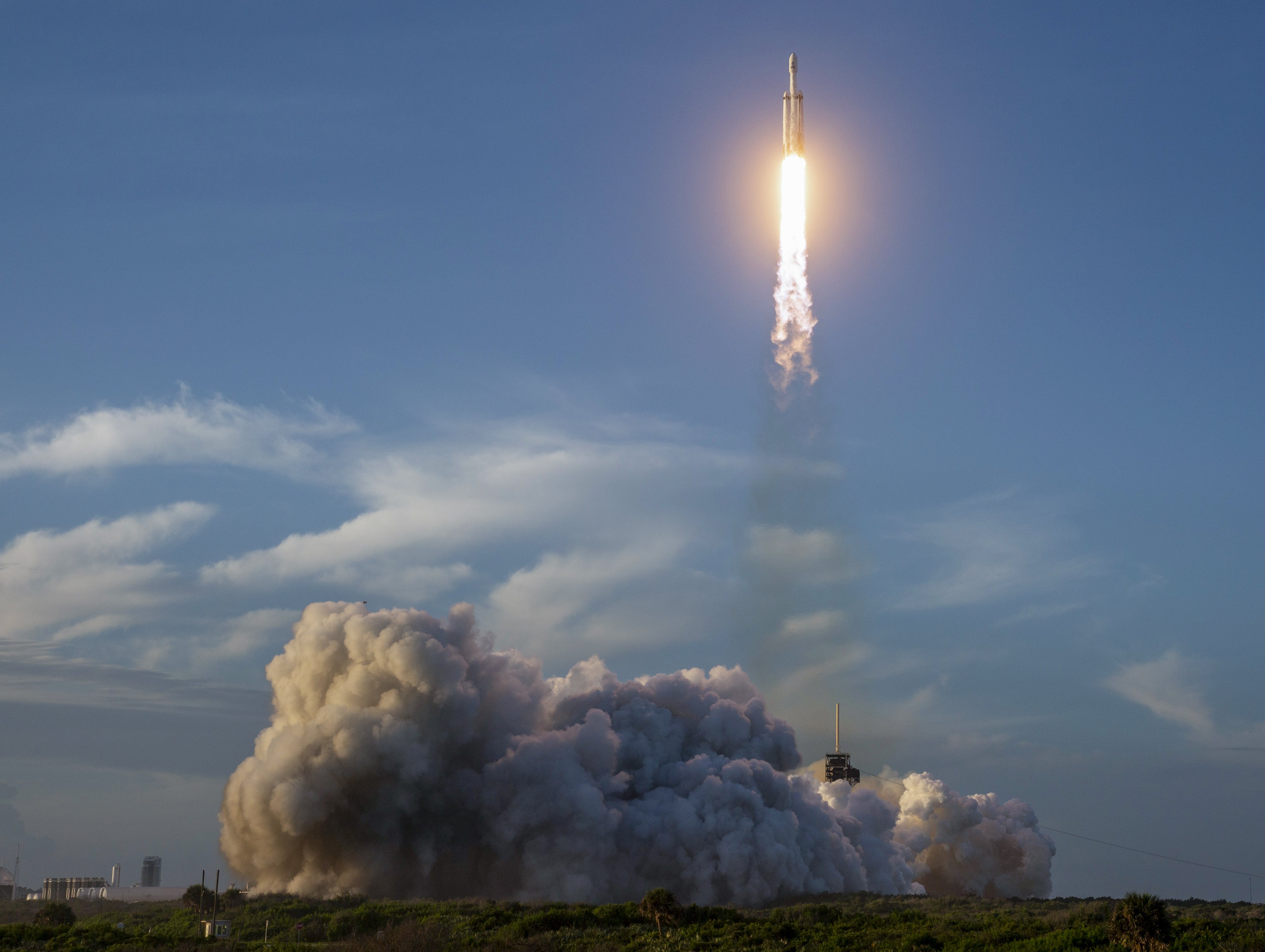
NASA's newest space telescope, the Nancy Grace Roman Space Telescope, captured its first view of the stars. The image is presently blurry, as anticipated. The telescope is positioned about a million miles from Earth, en route to its operational place, according to a NASA blog post dated September 15. Assembly of the telescope, completed in November 2025, concluded with its launch on August 30, 2026.
At this stage, the camera's detectors are still in their launch position, and the telescope's optics are yet to be aligned. This initial image will serve as the foundation for enhancing the clarity of the stars. The Roman's Wide Field Instrument, a 300-megapixel infrared imager, is capable of capturing large areas of the sky with fine detail.
Each image will encompass an area larger than the full moon's appearance from Earth. Such a wide view will assist scientists in studying exoplanets, examining dark energy, and mapping the distribution of matter throughout the universe. Before capturing this first image, the instrument required preparation for space. NASA allowed its 18 infrared detectors to dry out for ten days before cooling and activating them.
The team also examined the camera's calibration system, filters, and focus mechanism, all of which performed as expected. Furthermore, the team has initiated assessments of Roman's other critical instrument, the Coronagraph, designed to block a star's light to detect the fainter light reflected by planets orbiting it. Although further preparation and testing are needed, engineers have confirmed they can control its components from Earth.
NASA has also revised its estimate of Roman's operational duration. Initially designed for a five-year mission, with fuel allocated for up to ten years, NASA now anticipates the telescope could operate for at least 22 years. This projection takes into account the savings from the initial course correction, additional fuel loaded before launch, and projected fuel savings from future maneuvers.
Engineers will subsequently align and focus the telescope and activate a guidance system for maintaining its view on a target. NASA anticipates the telescope's initial science images by early 2027. For now, the out-of-focus stars provide a starting point and confirmation that the main camera can detect light in space.
Written by urgent.news from Mashable's reporting — not their text. Machine-written — may contain errors; check the original before relying on it.
Also reported by 3 other outlets
- NASA’s Nancy Grace Roman Telescope glimpses its first cosmic light scientificamerican.com
- SpaceX to fly more NASA crews to space station under expanded $5.92 billion deal investing.com
- SpaceX to fly more NASA crews to space station under expanded $5.92 billion deal channelnewsasia.com