Mobilität: Strom statt Benzin – wie viel spart ein E-Auto beim Tanken ein?
Durch den Iran-Krieg sind die Spritpreise nach wie vor auf Höchstniveau. Wie viel lässt sich durch Laden statt Tanken einsparen? Der Handelsblatt-Rechner zeigt es.
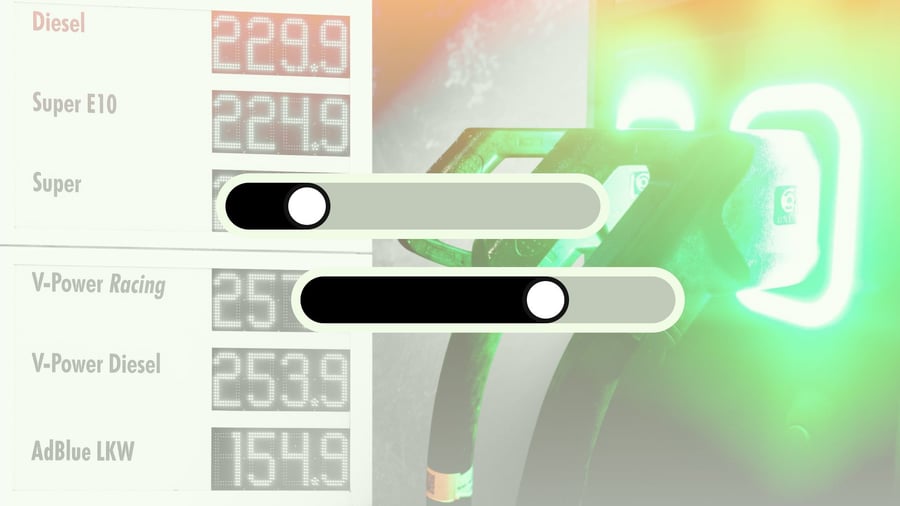
In recent months, fuel prices have reached new heights, largely due to the Iran conflict and the blockade of the Hormuz Strait, a crucial shipping route. The price per liter of E10 gasoline has hit a record high, with diesel prices hovering just above 2.412 euros, just four cents away from their peak in April. Drivers contemplating an electric vehicle are now considering another question: How much money could they save with an electric vehicle?
The Handelsblatt has created a calculator to help determine annual savings when charging compared to filling up at the pump. To use the calculator, input the number of kilometers driven annually, the fuel consumption of the internal combustion engine versus the electric vehicle of choice, and a base year for fuel and electricity prices.
On average, the average driver drives around 14,000 kilometers per year, but this varies greatly depending on the type of vehicle. Most Germans drive a gasoline-powered car, consuming between 5 to 8 liters per 100 kilometers, and travel approximately 10,000 kilometers. Savings compared to an average electric vehicle are already over 1,000 euros.
Given the ongoing escalation in the Middle East, this gap may widen in the coming weeks. The high fuel prices are primarily attributed to global crises and wars in recent years. The conflict in Iran has led to rising oil and gas prices, as Saudi Arabia had to shut down an important pipeline due to the Iranian blockade of the Hormuz Strait and the growing threat posed by Houthi militants in Yemen.
Since the U.S. and Israeli attacks on Iran, the price of a barrel of US WTI crude oil has risen by more than 65%. Since the start of the Ukrainian war in 2022, there have been shortages of crude oil, diesel, and natural gas exports from Russia, putting pressure on prices. Currently, diesel drivers are hit the hardest as savings from switching to an electric vehicle are even greater.
However, the cost savings from switching to an electric vehicle are not the only reason for the current surge in electric vehicle purchases. In addition to high fuel prices, the range, charging infrastructure, and purchase price of electric vehicles are also driving the boom. While electric vehicles are still more expensive than comparable gasoline-powered cars, the price difference is narrowing.
The growing number of electric vehicle models and the increasing availability of affordable electric vehicles from foreign manufacturers, such as Renault's R5 and Chinese companies BYD and Geely, are also influencing consumer decisions. Moreover, the increasing range of some models, now exceeding 700 kilometers, is no longer an obstacle.
Government support programs, such as Germany's subsidy of up to 6,000 euros per household, further boost sales. The improved charging infrastructure is another key factor, with Germany boasting 212,064 public charging points as of August 1, 2026, including over 66,665 fast chargers. The lack of charging options was once considered a major obstacle to electric mobility, but that is no longer the case.
With many charging stations now appearing along highways, in cities, and even in rural areas, the network has expanded significantly.
Written by urgent.news from Handelsblatt's reporting — not their text. Machine-written — may contain errors; check the original before relying on it.