Korea-Central Asia Summit exposes limits of bloc diplomacy
Seoul hosted the inaugural Korea-Central Asia Summit last Wednesday, with 74 bilateral agreements and MOUs signed and one unified “Seoul Declaration” given. This diplomatic gathering marked the first time all five Central Asian states — Kazakhstan, Uzbekistan, Kyrgyzstan, Tajikistan and Turkmenistan — met in Korea, following a similar format to the United States’ “C5+1” initiative, last held in…
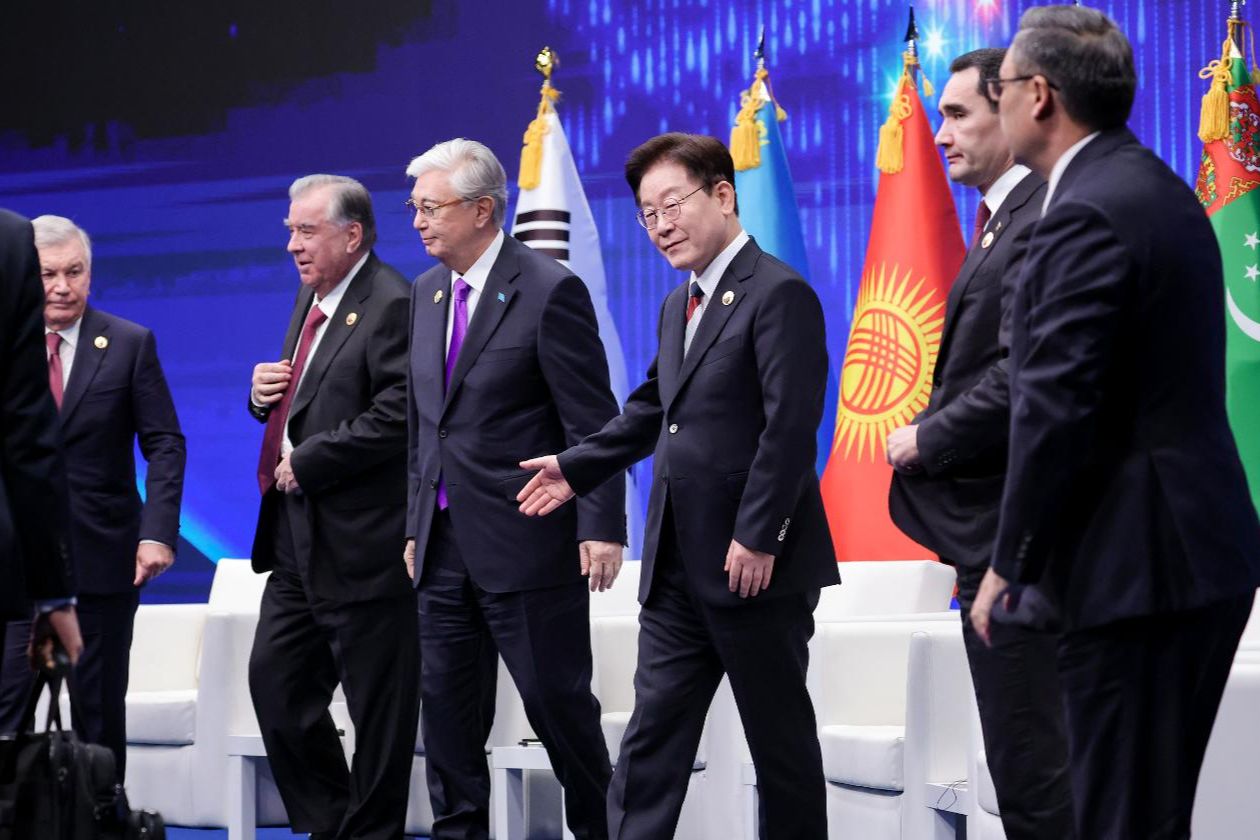
Last Wednesday, Seoul hosted the inaugural Korea-Central Asia Summit, an unprecedented diplomatic gathering attended by representatives from Kazakhstan, Uzbekistan, Kyrgyzstan, Tajikistan, and Turkmenistan. This marks the first time all five Central Asian states convened in Korea, following a format inspired by the United States' "C5+1" initiative. The summit resulted in 74 bilateral agreements and MOUs, with the signing of a unified "Seoul Declaration."
The event signifies a substantial enhancement in relations between Korea and Central Asia. Korea recognized the independence of Central Asian states from the Soviet Union in 1992 and has been a reliable source of foreign direct investment (FDI) ever since. In the previous year, South Korea invested $6.4 billion in the region.
The summit's all-head-of-state format represents a new era in inter-Korea-Central Asia relations. The bonds between the two regions extend beyond political ties, reflecting a personal connection as well. Central Asia is home to nearly a third of a million ethnic Koreans who were deported there by Joseph Stalin, leader of the Soviet Union, in 1937. Today, approximately 100,000 descendants of these deportees reside in the region.
Written by urgent.news from The Korea Times's reporting — not their text. Machine-written — may contain errors; check the original before relying on it.
This story
This is one outlet's version. Read the fullest account.
- Korea-Central Asia Summit exposes limits of bloc diplomacy koreatimes.co.kr