Irán activa las rutas terrestres para eludir el bloqueo estadounidense
La campaña naval de Donald Trump agudiza la dependencia comercial de Teherán de vecinos como Turquía. Leer
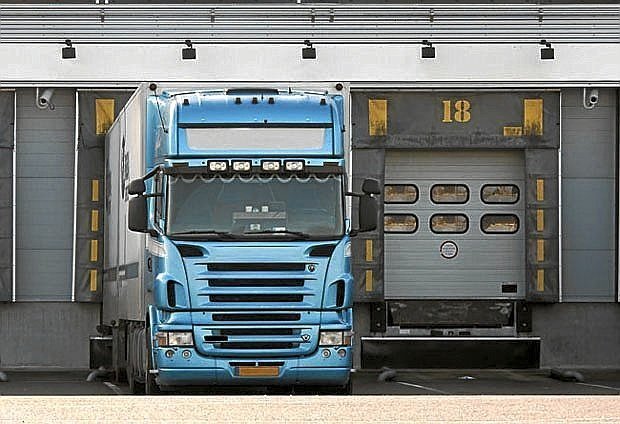
Early morning saw Iranian trucker Ashgar waiting near the Turkish border crossing at Gurbulak, where a long line of trucks awaited entry into Iran. His 375-horsepower Chinese Dongfeng truck was slowly making its way down a recently paved four-lane highway, joining a 7-kilometer line of trucks heading to Iran. Ashgar, 41, explained that Tehran has been altering its trade routes drastically since the war between the United States and Israel began in February, but these new land routes face challenges.
Much of the cargo that used to pass through the narrow Strait of Hormuz now travels by land via this route, causing longer wait times, he sighed. Still, Ashgar loves Turkey, which has always supported Iran. Prior to the war, more than 80% of Iran's bilateral trade worth around 180 million tons annually was transported by sea from its southern coast in the Persian Gulf.
However, with the U.S. naval blockade and interruptions in sea transport at the Strait of Hormuz, Iran has been diverting its trade through land routes. Iran utilizes decades of experience evading sanctions and its land borders with seven countries, particularly Turkey, to continue importing consumer goods, feedstuffs, and pharmaceutical ingredients while exporting aluminum, copper, construction materials, and detergents.
The strategy has worked to some extent: in the first half of the year, bilateral trade with Turkey rose by 19% to $3.2 billion (2.8 billion euros), according to Turkish data. In Gurbulak alone, imports to Iran increased by 250% over the previous five months, according to Iranian customs. However, poor infrastructure, lengthy customs checks, and other bottlenecks have caused delays, raising prices for Iranian consumers already facing 90% inflation.
Experts say that even if Iran doubled its land and Caspian Sea trade, it wouldn't compensate for the lost sea trade. Border crossings far from the conflict zone, which have not suffered damage, still face long delays, explained Ali Akbar Zarif, vice president of the Iranian Truckers Union. The situation worsened when the United States threatened secondary sanctions on Iran's trade partners by air and sea, further increasing the number of trucks using the Iran-Turkey border.
Around 500 trucks cross the border daily from Turkey into Iran, and overall cargo traffic has increased by about 30% compared to last year. A Turkish driver named Yakup, transporting old Toyota cars to Iran, said he could face a 24-day wait at the border on his way back to Turkey, a wait so long that he plans to take a break and return later.
Conditions are better at some border points than others. Pakistan, which needs Iranian oil and can provide a connection to China, but has limited transit capacity, is terrible, Ashgar said while preparing breakfast with his truck. Afghanistan is also problematic. Iranian trucker Rahim Ariaizadeh waited 23 days at the Dogharoun border crossing in mid-June.
Iraq can also be complicated. Baghdad shut down two crucial border crossings with Iran after drone attacks against the East-West Saudi Arabia oil pipeline launched from Iraqi territory, though both were reopened a few days later. Iran's railways are also important. The country's 13 railway border points, including those connecting with China and Russia via Turkmenistan and Kazakhstan, are operational and have handled more cargo since the start of the war.
Caspian Sea ports are connected to road and rail networks, but declining water levels limit the docking capacity and port capacity, reducing the traffic that these ports can absorb towards Russia, Central Asia, and China, according to analysts. In addition, diverting trade by land has its costs. Majid Reza Hariri, president of the Iran-China Chamber of Commerce, estimated that transporting Iran's trade with China by land instead of by sea would cost $18 billion annually.
The secondary U.S. sanctions against those trading with Iran are increasing the pressure on Iranians. Last week, the United States sanctioned 27 Iranian airlines and three Turkish aviation and logistics companies, accusing them of helping Iran's aviation sector, which the regime uses to transport weapons, personnel, and illicit cargo.
The U.S. warning to financial institutions about the risks of dealing with this sector could also hinder Iran's already limited regional connectivity with the rest of the world. As of the latest report on Wednesday, Turkey's Central Bank of Savings Insurance Fund (TMSF) took control of Golden Global Bank, the first significant regulatory action by Turkey since the U.S. sanctioned the entity for suspected transactions linked to Iran.
Turkish Finance Minister Mehmet Simsek said last week that Ankara had taken note of the U.S. measures.
Written by urgent.news from Expansion ES's reporting — not their text. Machine-written — may contain errors; check the original before relying on it.