Insilico Medicine’s Alex Zhavoronkov bets China and AI can deliver the drug industry’s next breakthrough
AI drug discovery firm Insilico Medicine is profitable, publicly listed in Hong Kong, and running the drug industry's most consequential experiment.
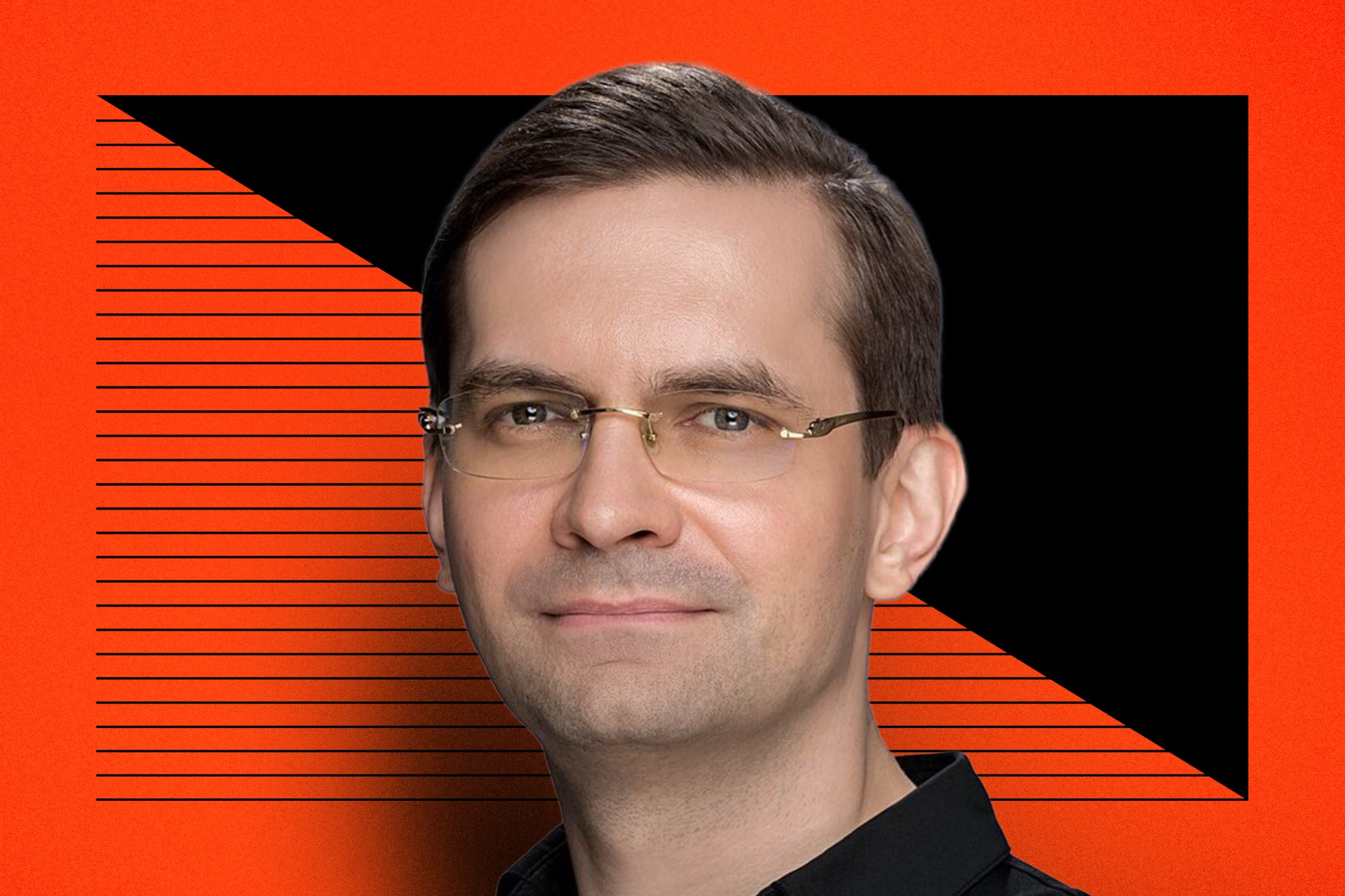
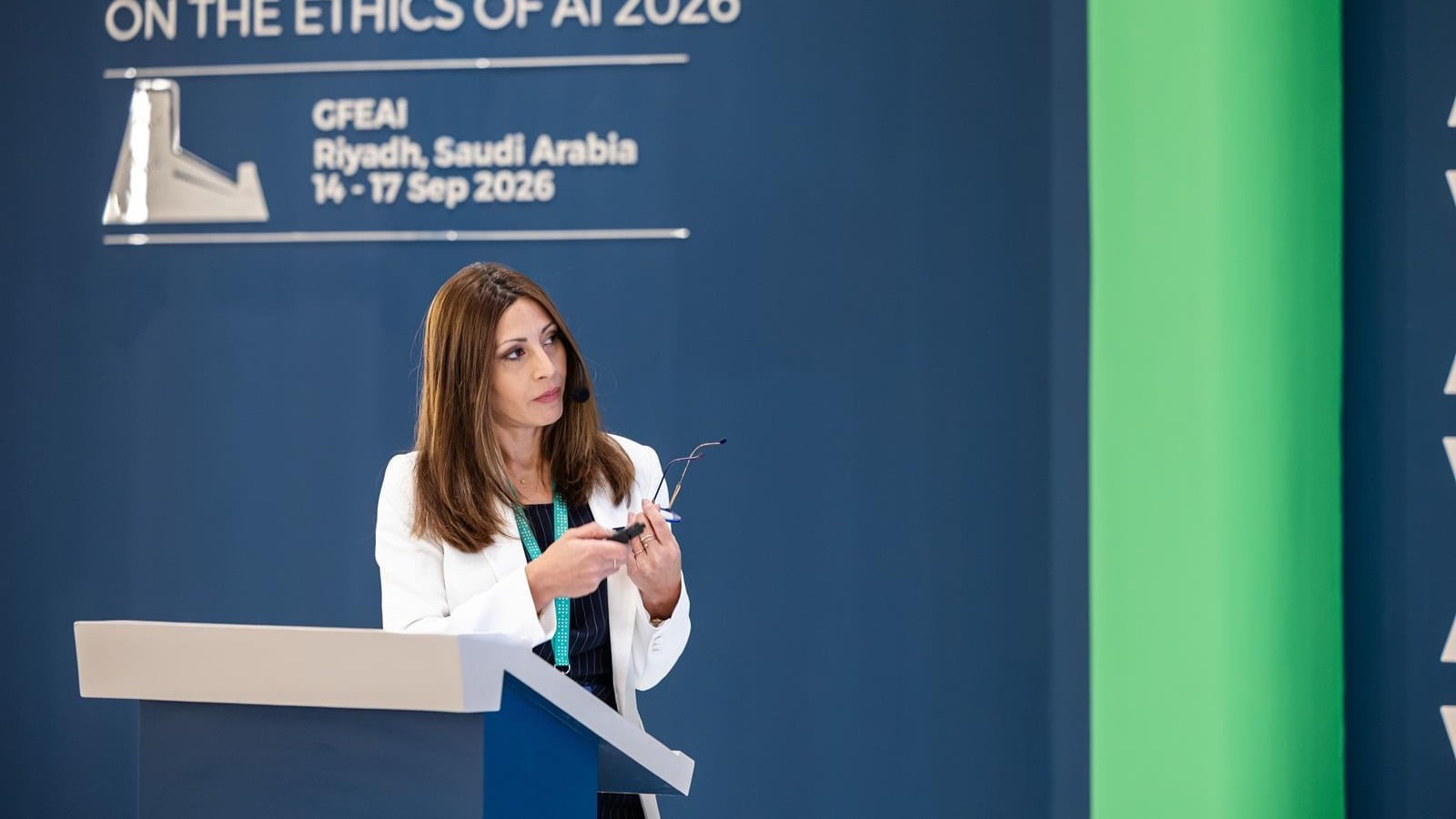
Alex Zhavoronkov, co-CEO of Insilico Medicine, a company that utilizes artificial intelligence for drug discovery, sported the same attire at all his public appearances. His public appearances featured a black padded vest with a small white badge tracking the company's clinical pipeline. Zhavoronkov highlighted the badge's latest update, which included a small circle beside "Phase 3." Zhang emphasized that his China team appreciated the badge, while others found it controversial, as displaying it meant competing.
In July, Insilico announced that rentosertib, its drug for idiopathic pulmonary fibrosis, a severe lung-scarring disease, would begin Phase 3 trials in China. The company had used AI to discover the disease target and develop the molecule. Rentosertib's first patient was administered on September 10. In September 7, Insilico published a study in Nature Biotechnology revealing that blood samples from 42 rentosertib patients displayed signs of reduced biological age.
Insilico's co-CEO Feng Ren noted that aging could be related to fibrosis, and stopping fibrosis might slow or reverse biological aging. On September 17, Insilico launched LongevityBench, a test to measure AI's effectiveness in aging research.
Insilico runs three significant experiments—whether an AI-discovered molecule can succeed in Phase 3 trials, whether AI drug discovery can generate profits, and if China can become the new home for biotech innovation. The company was born in 2014 amid a wave of AI-driven startups, but its progress has been slow. Zhavoronkov admitted that the company faced challenges, including his claim that AI would replace medicinal chemists—a claim he later regretted.
However, in 2019, Insilico's algorithms designed and validated new molecules in mice within 46 days. This success led to the development of rentosertib, now the most successful AI-discovered drug.
Insilico has other drugs in different phases of trials, including an experimental treatment for ulcerative colitis in Phase 2 and eight drugs in Phase 1, primarily for various cancers. The company chose China for its Phase 3 trial due to the sophistication of Chinese regulators and their understanding of the drug's mechanism and novelty.
Chinese regulators focus on measurable improvements in survival and accept some uncertainty about safety. Insilico's success and profitability have raised expectations, and it has formed strategic partnerships with major pharmaceutical companies like Eli Lilly, SK Biopharmaceuticals, and Takeda Pharmaceuticals. Zhavoronkov predicts that China will become the leading market for novel drugs as people become wealthier and demand better healthcare solutions.
Written by urgent.news from Fortune's reporting — not their text. Machine-written — may contain errors; check the original before relying on it.