Inside Russia's 2026 parliamentary election: Banned opposition, rigging, and war
A parliamentary election kicked off in Russia on Sept. 18 in what is expected to be a rubber-stamp ritual intended to legitimize President Vladimir Putin's rule. The election will be held over several days and will be completed on Sept. 20. The voting is taking place amid growing frustration among Russians with the war as its costs mount, and Ukraine intensifies drone strikes on Russian…
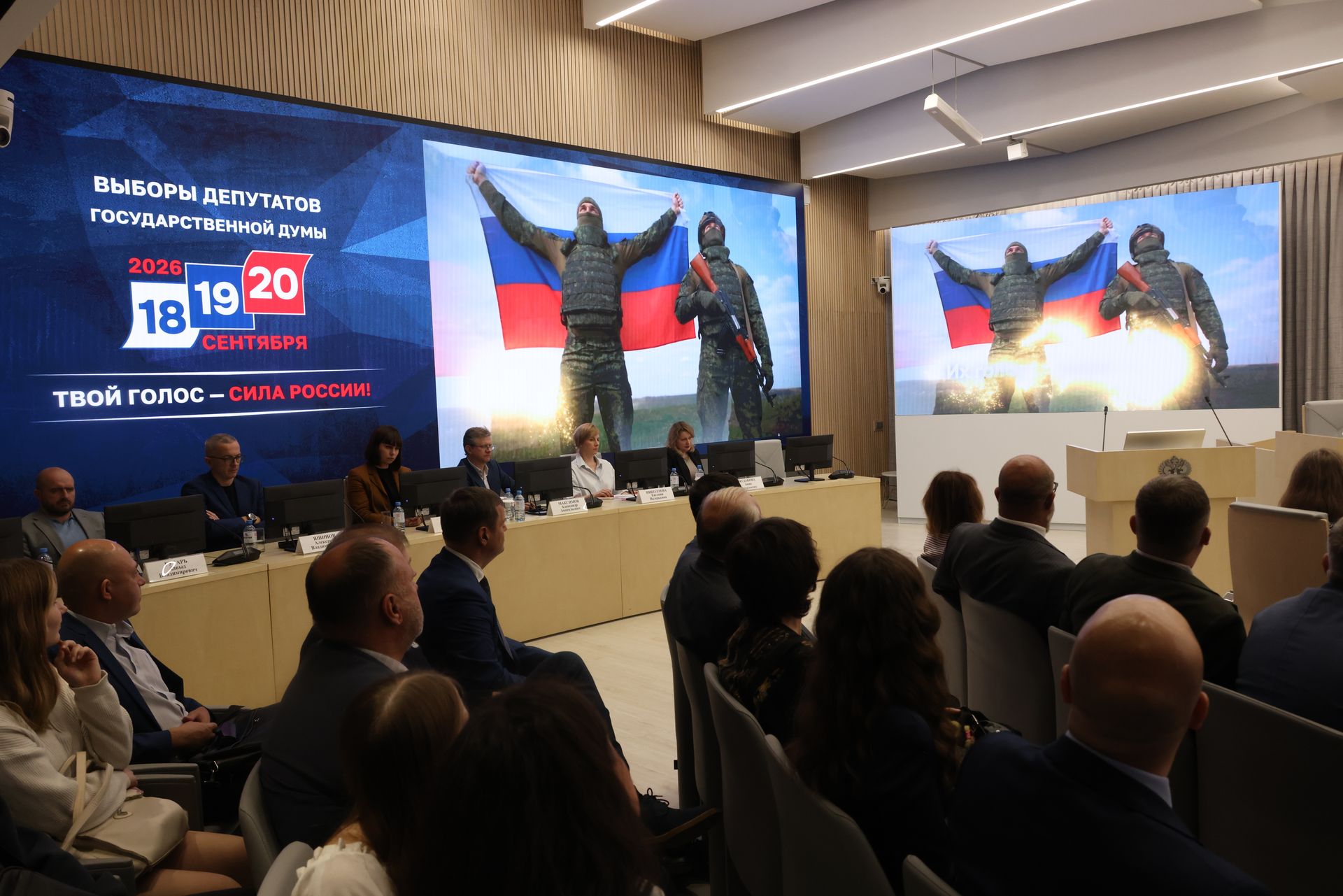
A parliamentary election commenced in Russia on September 18, 2026, with the intent of bolstering President Vladimir Putin's authority. The vote, spread over multiple days and concluding on September 20, unfolds amidst mounting discontent among Russians regarding the war's escalating costs and escalating Ukrainian drone attacks. Nonetheless, voters face limited avenues to voice their dissent, as anti-war parties and candidates have been prohibited from contesting.
Participation is limited to half of Russia's parliament, elected through party lists and the other half through single-member districts. The opposition parties, though numerous, are actually controlled by the Kremlin, adhering strictly to its war stance. Among these, four parties—such as the Communist Party, A Just Russia, the Liberal Democratic Party (LDPR), and New People—are anticipated to cast votes in alignment with the government's decisions.
Numerous other parties on the ballot serve as "spoilers," aiming to siphon votes from United Russia's principal competitors. These parties, despite being legally distinct, uniformly align with Kremlin directives. Both major parties, United Russia and its rivals, are conducting a subdued campaign to steer clear of public discourse and ensure only Kremlin-aligned voters take part.
Most genuine opposition and anti-war contenders were barred from competing, with the Kremlin endeavoring to discourage independent-minded voters from participating. For instance, the late opposition leader Alexei Navalny, reported to have been poisoned with a dart frog toxin and blamed on the Kremlin, was barred from running in both the 2024 presidential and 2026 parliamentary elections.
Boris Nadezhdin, a moderate anti-war candidate, was similarly excluded after mobilizing opposition and seeking to run in the 2026 parliamentary poll. Nadezhdin had previously been fined for extremism for sharing a video featuring Navalny.
The liberal party Yabloko, moderate in its criticism of the authorities, managed to garner significant public backing and mobilize voters in its 2026 election campaign. However, the Supreme Court subsequently banned Yabloko from participating, citing baseless grounds like utilizing AI-generated images and mentioning a Soviet-era song. Despite the ban, some Yabloko members contested in single-member districts, but the primary obstacle was their anti-war stance, which posed a threat to the Kremlin's narrative.
Written by urgent.news from Kyiv Independent's reporting — not their text. Machine-written — may contain errors; check the original before relying on it.
Also reported by 3 other outlets
- Voting begins in Russia’s parliamentary election freemalaysiatoday.com
- Russia votes in wartime election set to secure the Kremlin's power france24.com
- Why the Kremlin fears even the ‘managed opposition’ in Russia aljazeera.com