If you’re buying a wildlife camera, don’t ignore the ergonomics
A camera isn’t suitable for wildlife photography if it’s uncomfortable when using long lenses
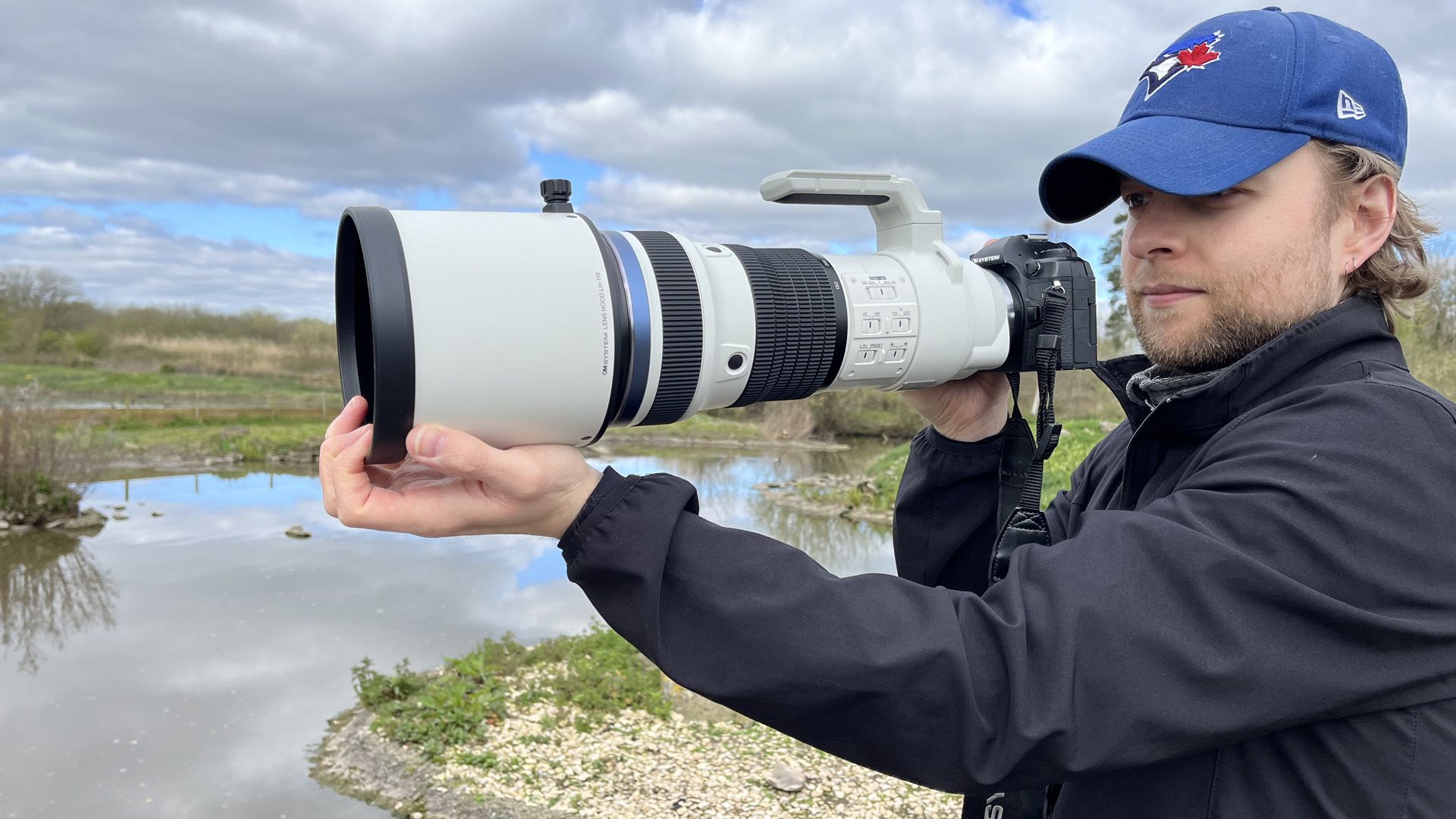
When buying a wildlife camera, do not overlook the ergonomics. Wildlife photography, while not requiring the latest and greatest gear, benefits from having superior equipment. Fast autofocus, high burst speeds, and high-resolution sensors are crucial, but they mean little if you're struggling with your setup. In today's photography world, cameras have become smaller, lighter, and more compact, which can be a hindrance for wildlife photography.
When attaching a moderate-sized telephoto lens to cameras like the Nikon Zf, Panasonic Lumix S9, or Fujifilm X-E5, they become top-heavy and difficult to hold onto. Wildlife photography demands fast reactions, so a camera with sufficient physical controls for adjusting exposure settings quickly is essential. Undeniably, different photographers have varying preferences, but good wildlife ergonomics generally involve a heavy enough camera to balance big lenses and prevent a top-heavy feeling, alongside a deep grip for ample grip.
The ideal camera size depends on hand size; some may prefer smaller, solid cameras with deep grips, like the OM System OM-1 Mark II or the Fujifilm X-H2S, while those with larger hands might opt for chunkier cameras such as the Canon EOS R5 Mark II or Nikon Z8. All these cameras also offer well-placed physical dials and buttons, as well as customizable buttons for a comfortable setup.
Written by urgent.news from Digital Camera World's reporting — not their text. Machine-written — may contain errors; check the original before relying on it.