How people are fighting back against Flock cameras
From camera maps and public records to petitions and public meetings, here’s how people are challenging Flock cameras.
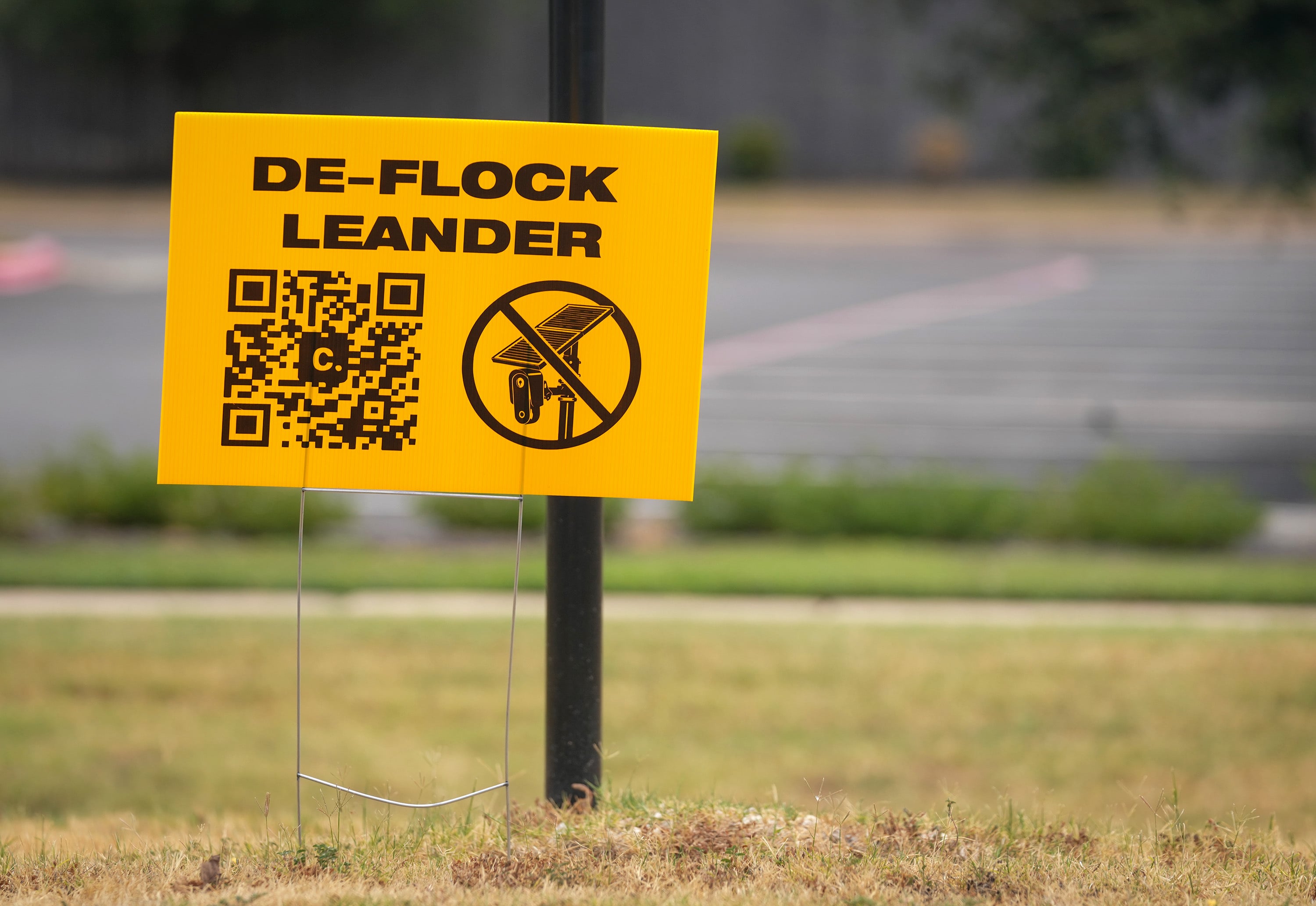
Flock cameras are simple devices: a box on a pole that photographs passing cars and stores the location of their appearance. Police claim this aids in solving crimes, but critics worry about privacy and the misuse of the data. In response, people across the U.S. are taking action to remove or monitor the cameras.
One approach is to map the locations of Flock cameras. Groups like Deflock Maps and the Electronic Frontier Foundation's Atlas of Surveillance compile this information into searchable online maps. These maps help residents understand where the cameras are installed and hold authorities accountable.
Residents have also demanded transparency in the data collected. In Syracuse, New York, it was discovered that the city's data-sharing agreement with Flock allowed numerous other agencies access to the information. Central Current, a local news outlet, uncovered this discrepancy in the contract. This led to questions about why the city had agreed to such terms and what it could do to address the issue.
Local meetings and petitions play a vital role in pushing back against Flock cameras. In Saranac Lake, New York, residents noticed the cameras before the village council was informed. They attended community meetings, questioned the decision-making process, and ultimately forced the board to cancel the contract. By organizing and showing up, residents can ensure their voices are heard.
To learn more about Flock cameras in your area, visit Deflock Maps and the Electronic Frontier Foundation's Atlas of Surveillance. Search by city or ZIP code to see the locations of the cameras and contribute any missing or incorrect information. Remember that a single pin on the map represents a volunteer-reported camera, and an empty map does not guarantee the absence of Flock cameras in your community.
Written by urgent.news from Mashable's reporting — not their text. Machine-written — may contain errors; check the original before relying on it.