If everything comes to our door, what will draw us outside? — Nur Aulia Rosni and Yong Adilah Shamsul Harumain
SEPTEMBER 18 — During a visit to China in July, I ordered something while staying in a hotel. I expected to collec...
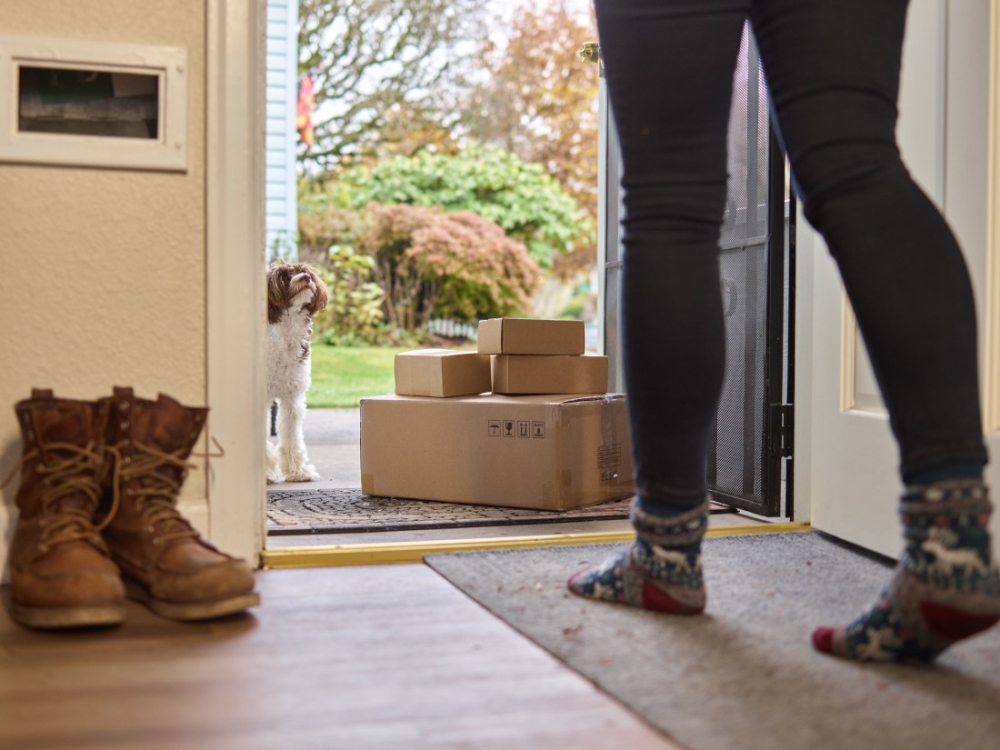
On September 18, a visitor to China experienced a glimpse of the future of shopping when a small robot delivered a purchase directly to their hotel room. This efficient and convenient service raised an intriguing question: if almost everything can come to us, what reasons will we have to leave our homes? A friend in China observed that many people were increasingly ordering everyday items online, and when they did go to shopping centers, it was often to socialize rather than purchase necessities.
China's National Bureau of Statistics reported that online sales of physical goods made up 26.1% of the country's total retail sales in 2025, a significant share that highlights the shift in urban life dynamics.
While online shopping does reduce some personal trips, it also creates new challenges for cities. Couriers, vans, motorcycles, and robots now transport goods, leading to increased delivery traffic, loading activity, and competition for kerb and pavement space. Traditional shops may transform into showrooms or collection points, while shopping centers may focus more on food, entertainment, and events. Warehouses and parcel lockers may need to be closer to residential areas to meet customers' expectations for rapid delivery.
Buildings are also changing to accommodate these new needs. Hotel lifts communicate with delivery robots, apartment lobbies require secure parcel storage, and streets must accommodate delivery riders without inconveniencing pedestrians. While technology simplifies many tasks, it is crucial not to overlook the physical urban system that supports these innovations. Convenience may remove unnecessary journeys and free up valuable time, but it is essential to consider how we will spend that time.
The real question is what we do with the time gained from convenience. If our neighborhoods offer welcoming parks, libraries, sports areas, cafes, and community spaces, convenience may allow us to spend less time running errands and more time with others. Online communities can provide real friendship and support, but they cannot replace the benefits of a physical neighborhood.
Land-use planners, transport planners, and urban designers must collaborate to create cities that balance efficient logistics with lively local streets. Safe areas for deliveries must coexist with uninterrupted pavements, and technology-friendly buildings must also encourage walking, meeting, and exploring. A truly smart city should not be measured solely by how quickly a product reaches our door.
Instead, it should be judged by whether technology enhances human life beyond that door. The best cities of the future will not force us to leave home for every small necessity but will provide compelling reasons to venture outside.
Written by urgent.news from Malay Mail's reporting — not their text. Machine-written — may contain errors; check the original before relying on it.