He Won the Nobel Prize for Protein Design. Now He Uses AI to Create Molecules Not Found in Nature
David Baker spoke with WIRED en Español about where biological design is headed next and the great potential and risks of taking biology outside the bounds of the natural world.
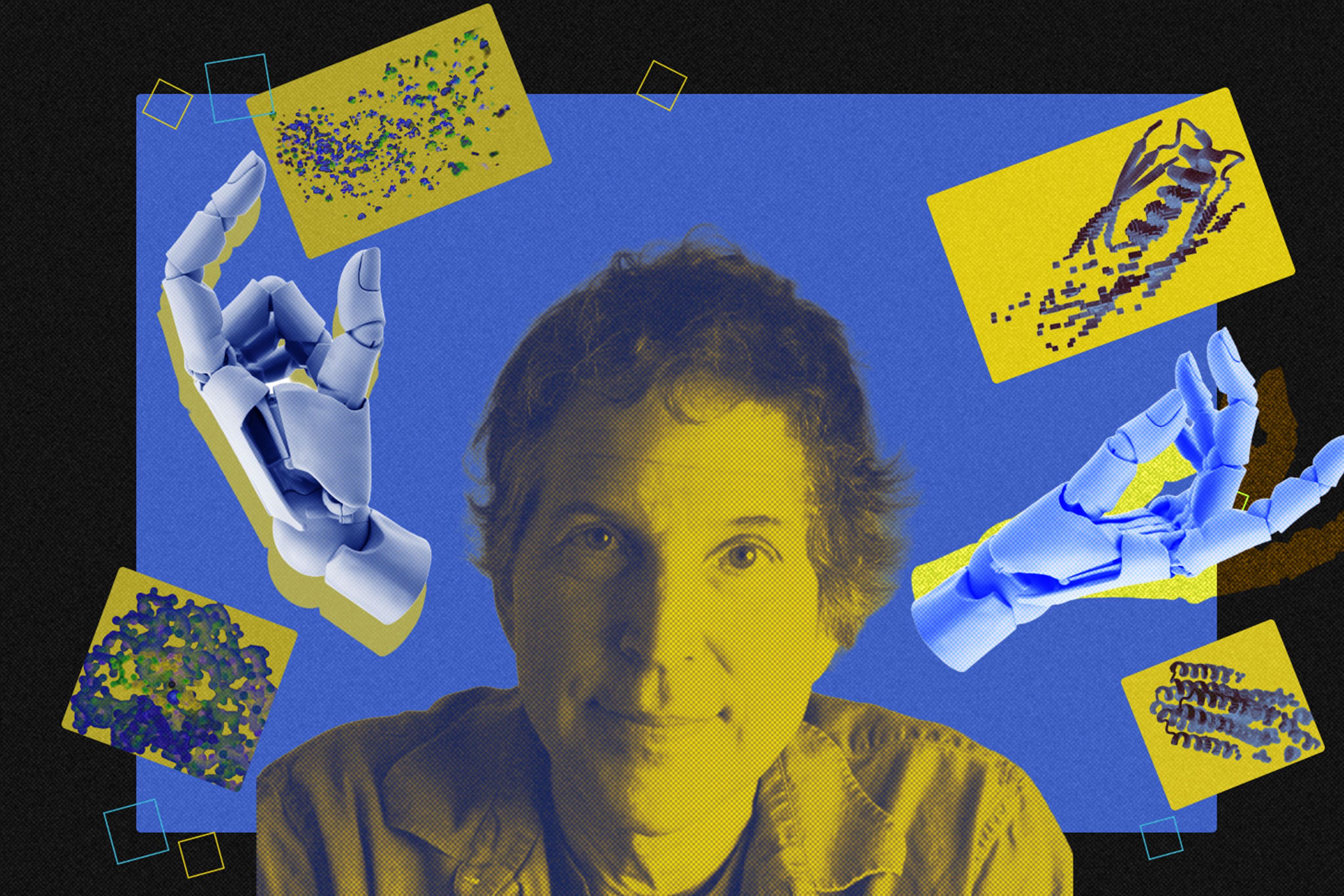
David Baker, a Nobel laureate in Chemistry, is spearheading an ambitious project to create novel molecules and biological functions that nature has never produced. His research group, based at the Allen Institute, partners with the University of Washington and the Fred Hutchinson Cancer Center, aiming to develop tools for future medicines and technologies.
The potential applications range from new cancer treatments and enzymes to tackle pollution, to even "biological computers." However, delving into such uncharted territory also raises questions about potential risks. These include unintended interactions with living systems, unexpected environmental effects, and misuse of the technology.
To address these concerns, Baker emphasizes the importance of computational design, where designs can be evaluated and tested extensively before any real-world application. The team's ultimate goal is to fast-track the creation of disease cures and sustainable solutions within weeks instead of decades. While the advancement of AI in biology is promising, the challenge lies in ensuring that we fully understand these novel systems, even if we cannot fully comprehend the underlying mechanisms.
Written by urgent.news from Wired Science's reporting — not their text. Machine-written — may contain errors; check the original before relying on it.
This story
This is one outlet's version. Read the fullest account.