Generals vs. Netanyahu: Israel’s election is turning into a real political war
Israel's Oct. 27 Knesset election will feature 38 electoral lists to choose from set against the background of an ongoing war with Iran in a nation on the brink of civil strife. Most of all, however, the vote will be a referendum on Prime Minister Benjamin Netanyahu. As politicians divvy up parliamentary seats that they have yet to win, polls offer neither the right-wing bloc nor the opposition…
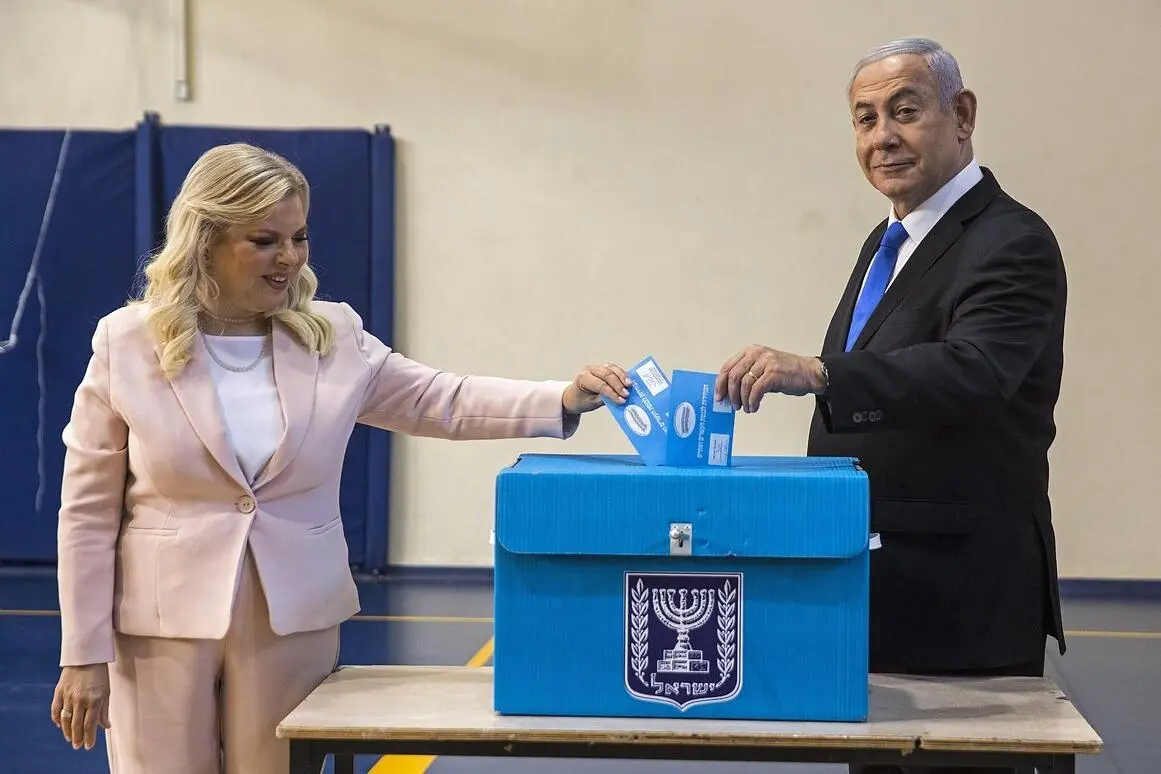
Israel's upcoming election, the first since the series of wars following Hamas's October 7, 2023 massacre, is turning into a real political war. Despite ceasefires in Gaza and Lebanon and the cessation of active hostilities with Iran, military tensions remain high in Judea and Samaria. The war is not over for Israel, as IDF soldiers continue to be stationed in the affected regions. Prime Minister Benjamin Netanyahu's promise of a "total victory" over Hamas and Hezbollah has yet to materialize, despite their heavy losses.
A key question ahead of the election is whether Netanyahu can remain in power after the security failure that led to October 7. The campaign has raised concerns about the responsibility of the political leadership and security agencies for the Hamas attack, the military's readiness and condition, and the goals and outcomes of the recent wave of wars. The issue of extending mandatory military service to students in ultra-Orthodox yeshivas has also emerged.
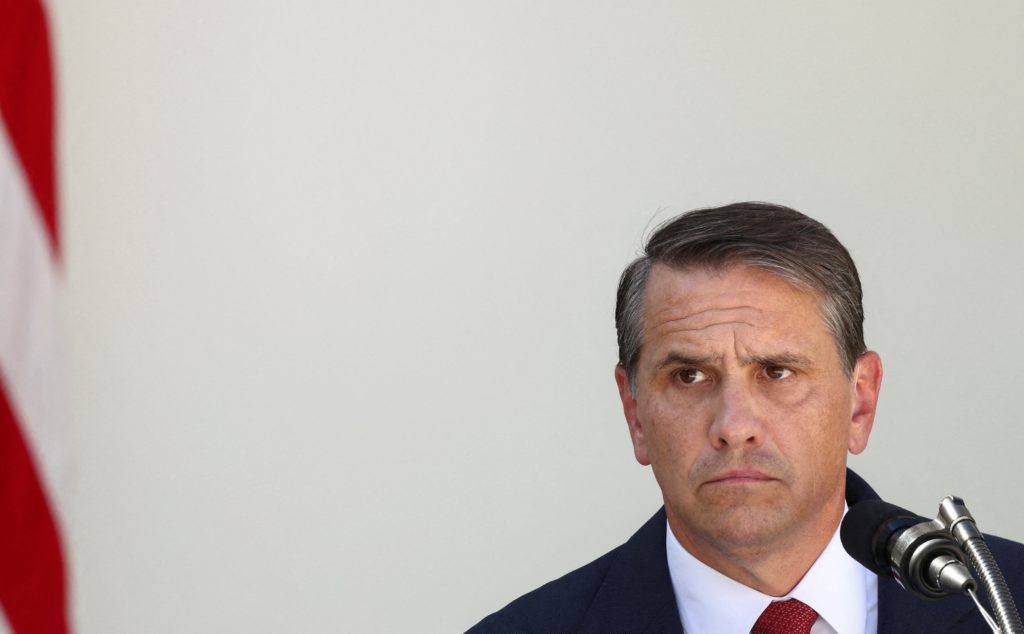
Netanyahu asserts that security chiefs failed to warn him of the impending attack, describing Hamas as a contained force. He argues that his performance should be evaluated based on the results of subsequent wars, which have eliminated much of Hamas and Hezbollah's leadership, killed top Iranian military commanders, and struck at Iran's nuclear program.
His main opponents - Gadi Eisenkot, Naftali Bennett, Avigdor Lieberman, and Yair Golan - hold the government politically accountable for the catastrophe and demand a state commission of inquiry into the events before, during, and after October 7.
Eisenkot, Bennett, Lieberman, and Golan have accused Netanyahu's government of damaging Israel's international standing and weakening its support in the West, particularly in the United States. Despite this, the events of October 7 remain central to the political discourse. A recent Haaretz report claims that UAE President Mohammed bin Zayed warned Netanyahu of an impending Hamas attack around 10 days before the October 7 tragedy. However, Netanyahu's office denies this report, calling it an "absolute lie."
The political implications of October 7 have been felt across the electoral landscape. Major parties now include veterans of the recent wars, relatives of those killed or taken hostage, and activists from post-Hamas attack organizations. On election day, Netanyahu announced that Talik Gvili, the mother of slain police officer Ran Gvili, would join his Likud list in his ninth place.
Other notable additions include Elisha Medan, who lost both legs fighting in Gaza, and Itzik Buncel, whose son was killed in the attack. Yair Golan, leader of the Democrats party, and Ofer Winter, from the Amha Israel party, both made significant contributions to evacuating civilians during the conflict.
Written by urgent.news from The Insider's reporting — not their text. Machine-written — may contain errors; check the original before relying on it.