From durians to tourism: As China-Vietnam trade booms, border communities seek a bigger slice
Vietnam is challenging Thailand for a greater share of China’s durian market, helped by its proximity and improving transport links, even as growing tourism creates new opportunities along the border.
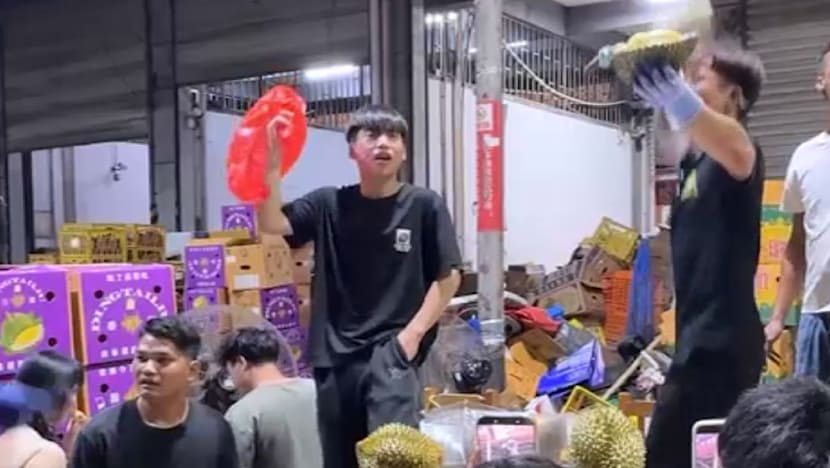
Vietnam is challenging Thailand for a larger share of China's lucrative durian market, aided by its closeness and developing transport links, even as tourism along the border expands opportunities. In Nanning, a major Chinese city, Vietnamese durians are less prevalent than Thai ones, which dominate the market. China imported nearly US$7.5 billion worth of fresh durians last year, driving intense competition for Chinese consumers.
Thailand remains the biggest supplier, accounting for about US$4 billion in 2022. However, Vietnam, which only gained access in 2022, is gaining ground. In 2025, China imported more fresh durians from Vietnam than Thailand for the first time. This growing trade reflects deeper economic ties between China and Vietnam, with increased goods and people crossing their shared border, creating opportunities on both sides.
Yet, getting products and consumers is another challenge. A blind taste test in Nanning showed most shoppers preferred Thai durians. Local traders noted customers favor the Thai "Golden Pillow" durian, though Vietnamese varieties like Gan Yao are popular and selling well. Improving transport and customs infrastructure, like smart port clearance, helps Vietnamese durians reach Chinese markets faster.
Border communities reap benefits like jobs and income. For instance, three China-ASEAN fruit trading centers were established in Guangxi to handle increasing demand, providing additional income for rural residents. In Vietnam, durian farmers aim to capture more of China's market, with exports reaching US$2.2 billion in 2023 and aiming for US$4 billion this year.
However, challenges like uneven product quality, food safety issues, and limited testing capacity remain. Cross-border trade is not limited to fruit; in Mong Cai, more than 8 million people crossed the border with Dongxing, China last year.
Written by urgent.news from Channel News Asia's reporting — not their text. Machine-written — may contain errors; check the original before relying on it.