Folge wachsender Impfskepsis: Kinder-Impfquoten sinken in vielen EU-Ländern
Impfungen zählen zu den erfolgreichsten Maßnahmen im Bereich der öffentlichen Gesundheit. Doch in der EU zeichnet sich ein gefährlicher Trend ab.
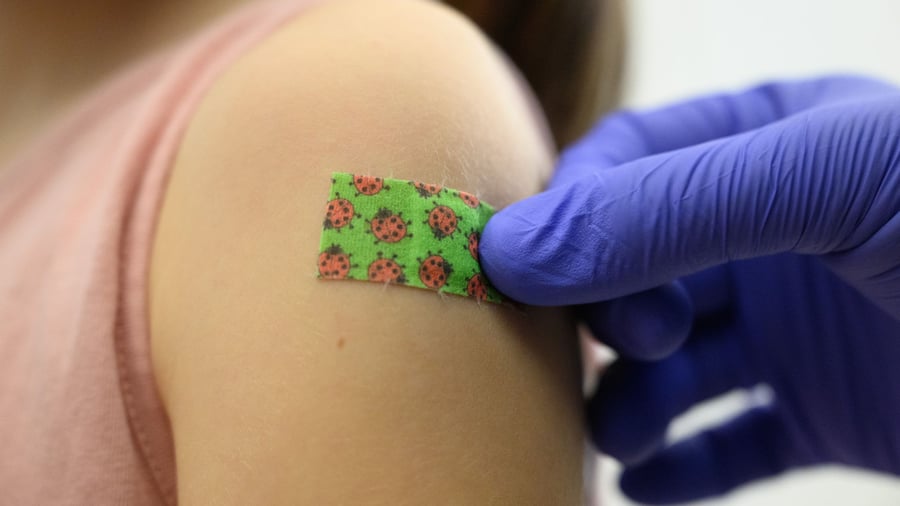
In recent decades, vaccination rates for children in many European Union countries have shown predominantly stagnant or declining trends, according to a study published in The Lancet Regional Health - Europe. This concerning development affects Germany as well, reported an expert team in the journal. The study, however, was not designed to clarify the causes.
The decline largely began between 2019 and 2022, during the COVID-19 pandemic and its aftermath. Possible factors include misinformation and changes in trust in vaccines. Vaccinations are among the most effective public health measures, the study notes, but waning immunization rates pose a serious threat to public health. Increased vaccine skepticism has already led to the resurgence of preventable diseases in the EU.
The research team led by Luigi Russo from the Università Cattolica del Sacro Cuore in Rome analyzed WHO and UNICEF data from 1980 to 2024, considering vaccination rates for seven routine immunizations and serological series for European children's immunization programs: the third dose of diphtheria, tetanus, and pertussis (DTP-3), hepatitis B (HEPB-3), Haemophilus influenzae type b (HIB-3), pneumococcal (PCV-3), and polio (POL-3), as well as the first dose against measles (MCV-1) and rubella (RCV-1).
Most EU countries showed clear long-term improvements in vaccination rates, but in recent years, a predominantly unfavorable development was observed. Sixteen of the 27 EU countries had declining trends for at least four of the seven analyzed immunization indicators. In Germany, five out of seven immunizations showed declining trends, while only hepatitis B and the first dose of the measles vaccine showed slight increasing trends.
Germany is among the countries most affected by the declines, though not among the most severely impacted. Fifteen countries had six out of seven immunizations affected by declines, including Croatia, the Czech Republic, Estonia, Lithuania, and Slovakia. Six countries - Bulgaria, Cyprus, Ireland, the Netherlands, Romania, and Sweden - had all seven included immunizations affected.
Countries with predominantly positive trends in recent years include Hungary, Luxembourg, Denmark, and Portugal. Lower vaccination rates for childhood diseases Trends varied by vaccine. Declines were most common for Hib and polio immunizations, with 20 EU countries showing declining trends in each case. Hepatitis B immunization saw declines in 18 countries, diphtheria, tetanus, and pertussis (whooping cough) immunization (DTP-3) in 17 countries.
The pneumococcal immunization had declines in 16 countries, and the rubella immunization had declines in 15 countries. The measles immunization showed the relatively balanced pattern, with 14 countries showing an increase and 13 countries showing a decline. Rubella immunization had 12 countries increasing and 15 countries declining.
Only Luxembourg and Portugal achieved the target value of at least 95 percent for all seven immunization indicators. Belgium, France, and Latvia reached this target for six out of seven indicators. In Germany, the rate was below this threshold for five indicators in 2024. Romania had values below 80 percent for all seven indicators.
The target value of 95 percent is commonly used as a benchmark for an adequate vaccination rate. Falling below this percentage can lead to the resurgence or even outbreaks of preventable diseases, particularly in populations and communities with immunity gaps. The exact minimum threshold and the impact of a lower rate depend on the disease, vaccination schedule, and epidemiological context, the experts note.
They also point out that country data should be interpreted in the context of trends over time: A country with seemingly high vaccination rates might have concerning declines, while a country with improving rates might still fall below the values required for population protection. The team warns that even countries with relatively high national vaccination rates can have lower immunization rates in certain regions, population groups, or communities, increasing the risk of outbreaks, especially among infants, the elderly, and immunocompromised individuals.
Written by urgent.news from Handelsblatt's reporting — not their text. Machine-written — may contain errors; check the original before relying on it.