Brain waves predict sexual side effects of common depression medications
A quick brain wave test may soon help doctors predict if a patient will experience sexual side effects from antidepressants. Measuring serotonin activity before treatment could guide medication choices and improve the quality of life for patients with depression.
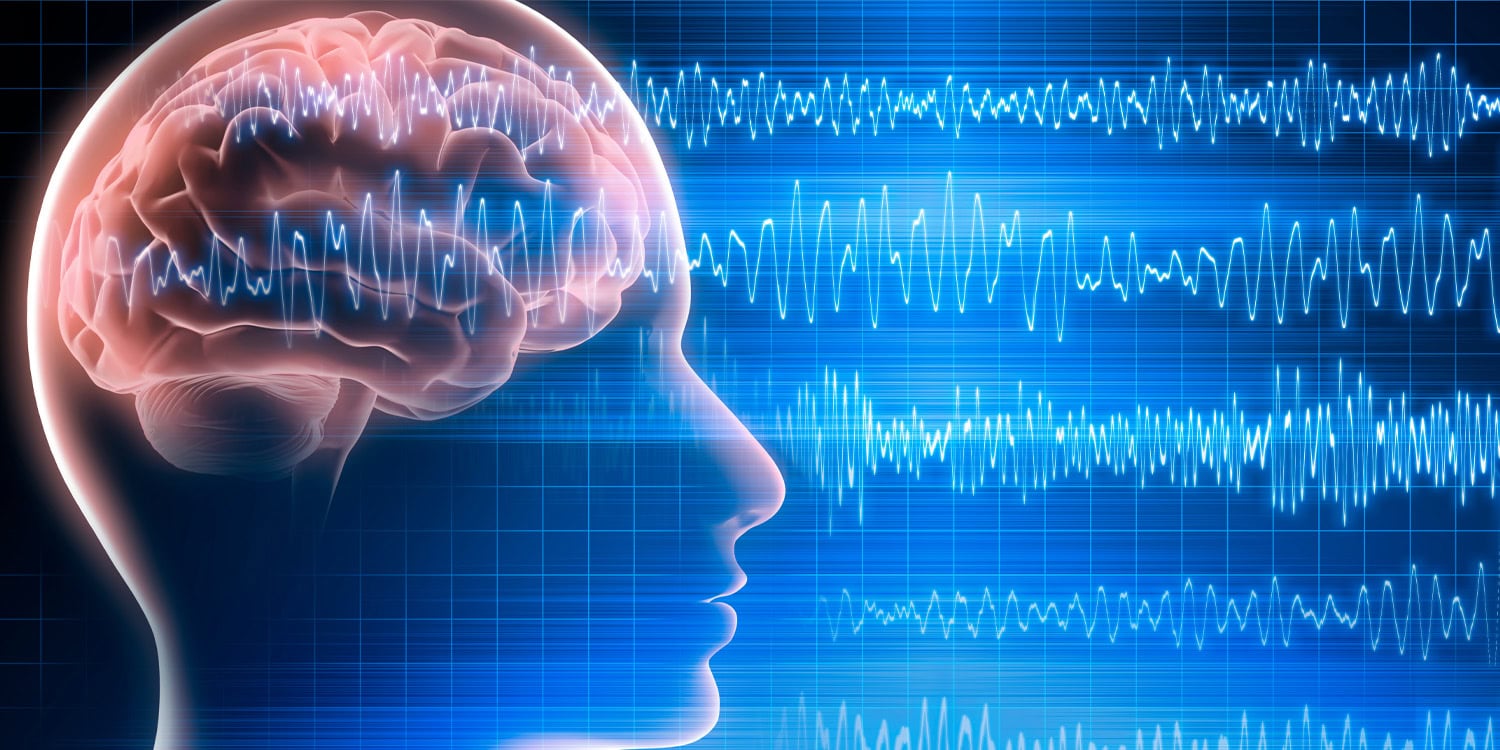
A study published in the Journal of Psychiatric Research suggests that specific brain waves could predict sexual side effects from common depression medications. The research, conducted by the Copenhagen University Hospital and the University of Copenhagen, found that measuring brain activity before starting antidepressant treatment could help doctors forecast which patients might struggle with reaching orgasm.
Major depressive disorder affects 40 to 60 percent of its sufferers, often leading to sexual difficulties. While antidepressants like SSRIs can alleviate depressive symptoms, they frequently cause new problems like reduced sexual desire, arousal difficulties, and trouble reaching orgasm. To find a way to predict susceptibility to these side effects, researchers focused on a brain wave pattern called the loudness dependence of auditory evoked potentials, which is linked to serotonin activity.
They analyzed data from 90 unmedicated patients with major depressive disorder and discovered that a weaker brain response to louder sounds, indicating higher baseline serotonin activity, was strongly associated with a higher risk of SSRI-induced orgasmic dysfunction. This specific brain wave pattern correctly predicted distressing sexual difficulties 87 percent of the time.
The study's findings suggest that the brain marker captures the neurological pathway disrupted by SSRIs, while sexual desire is influenced by a wider network of brain chemicals.
Written by urgent.news from PsyPost's reporting — not their text. Machine-written — may contain errors; check the original before relying on it.