Finding the cells that put our brain to sleep
Rare cells with widespread connectivity seem to be able to trigger sleep.
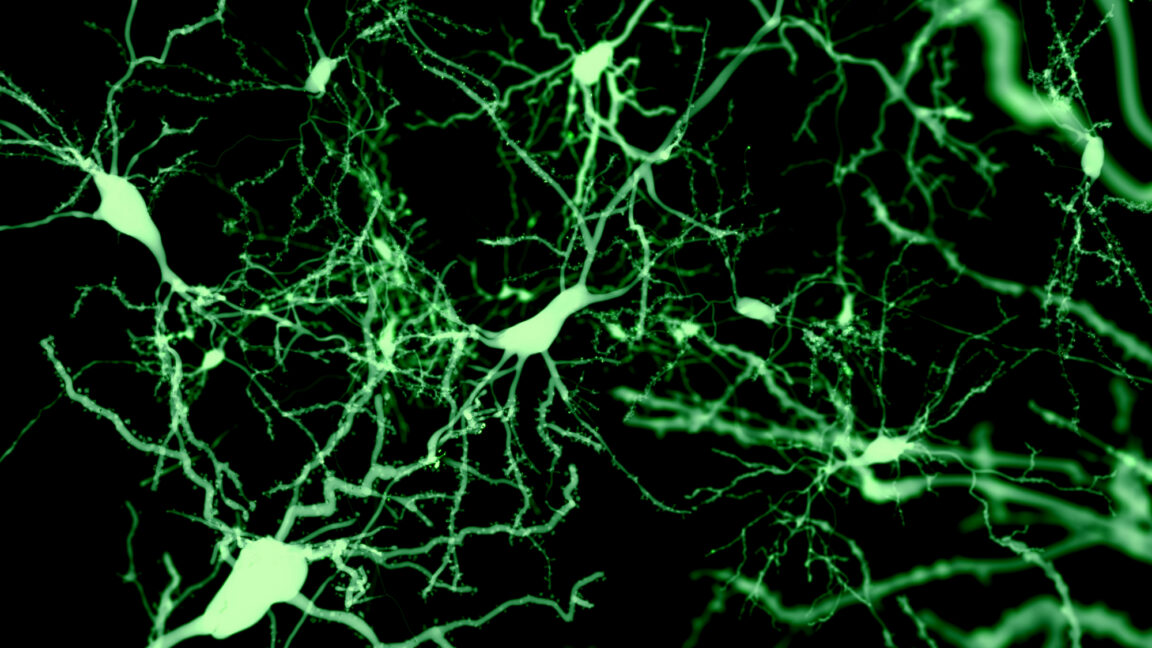
For years, scientists believed the cerebral cortex was merely a passive participant in sleep, responding to cues from deeper brain regions. Dr. Geoffrey Terral, a neuroscientist at the Albert Einstein College of Medicine, explained that the cortex was thought to be controlled by subcortical areas, which triggered the slow rhythms characteristic of deep sleep.
Researchers assumed that the signals initiating these rhythms originated outside the cortex. However, a recent study published in Nature by Terral and his colleague, Renata Batista-Brito, challenges this long-held assumption. Their research reveals a specific population of cortical cells that play a crucial role in sleep. These cells account for only about one percent of the cortex's inhibitory neurons.
Remarkably, activating these cortical cells in a mouse induces sleep. Terral emphasized that these findings demonstrate the cortex's ability to not only respond to sleep rhythms but also generate them independently, sufficient to promote sleep.
Written by urgent.news from Ars Technica Science's reporting — not their text. Machine-written — may contain errors; check the original before relying on it.
This story
This is one outlet's version. Read the fullest account.
- Finding the cells that put our brain to sleep arstechnica.com