Finding the cells that put our brain to sleep
Rare cells with widespread connectivity seem to be able to trigger sleep.
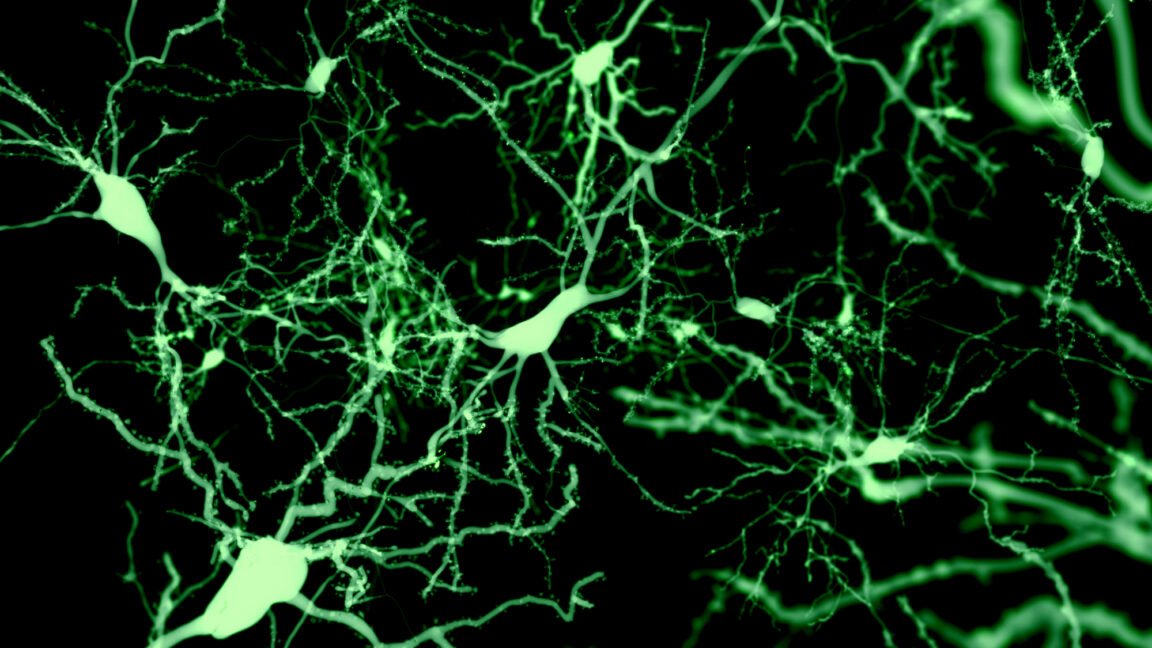
Sleep research has traditionally viewed the cerebral cortex as a passive participant, reacting to signals from deeper brain regions. According to neuroscientist Geoffrey Terral from the Albert Einstein College of Medicine, it was widely believed that the cortex received instructions for inducing sleep from subcortical regions. However, a recent study published in Nature offers a different perspective.
Terral and his collaborator Renata Batista-Brito discovered a population of cortical cells that challenge this notion. These cells, comprising approximately one percent of the cortex's inhibitory neurons, have the remarkable ability to trigger sleep in mice when activated. Terral explains that their findings suggest the cortex is not merely a passive follower but can independently generate the slow rhythms associated with deep sleep, thereby initiating sleep on its own.
Written by urgent.news from Ars Technica's reporting — not their text. Machine-written — may contain errors; check the original before relying on it.