Explainer: What on Earth has the Bank of England done with its bond sale programme?
The Bank of England chose to hold interest rates at 3.75 per cent on Thursday. But its unexpected overhaul of quantitative tightening could be far more consequential, says Ali Lyon. On days when the Bank of England’s Monetary Policy Committee decides the future of interest rates, that choice – and the thinking that goes into [...]
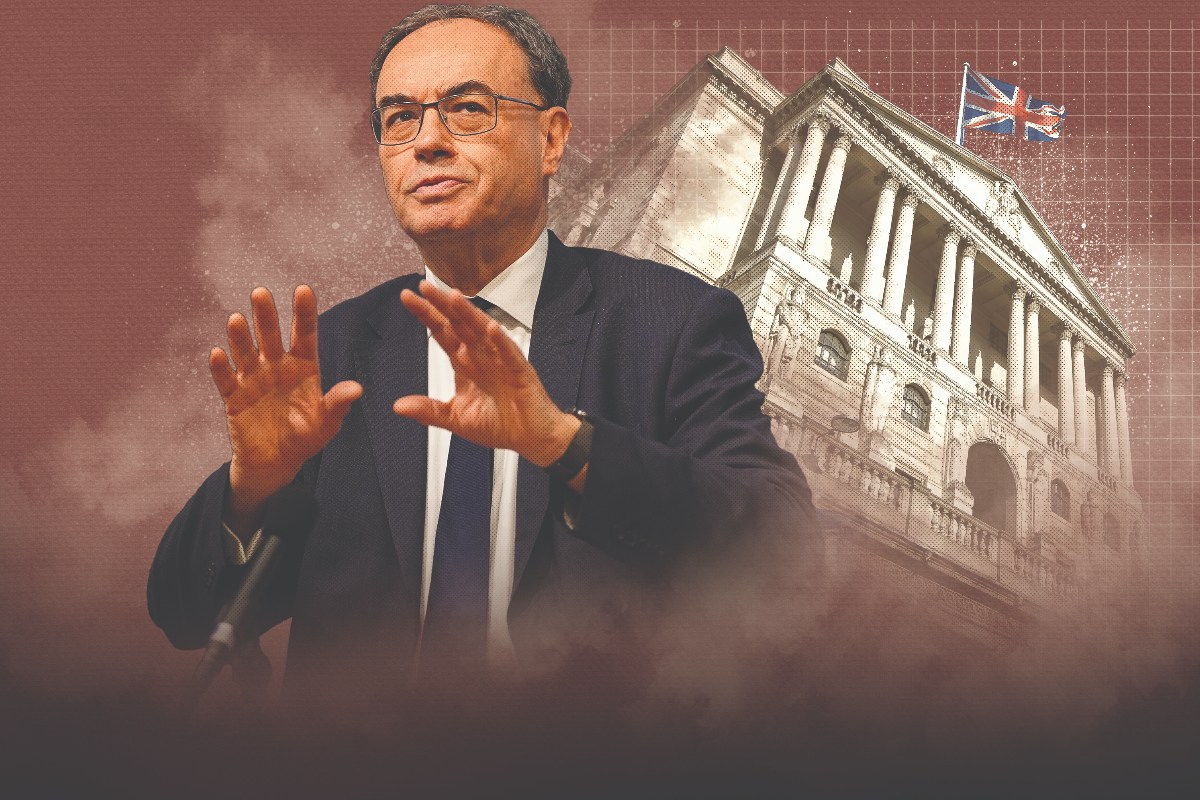
The Bank of England maintained interest rates at 3.75 percent on Thursday, but their surprising overhaul of the quantitative tightening (QT) program could have even greater implications, according to Ali Lyon. While central bank decisions surrounding interest rates often dominate headlines, the Bank of England's focus this week was on a significant change to its QT process.
Unlike other central banks, the Bank of England has been actively selling government bonds to reduce the £895 billion portfolio it accumulated during the 2008 financial crisis. Since then, the Bank has been unwinding this process through a combination of bond maturing naturally and scheduled sales. However, this approach became controversial, with critics accusing the Bank of driving up borrowing costs and costing taxpayers billions of pounds.
On Thursday, the Bank announced a complete overhaul of its QT strategy, which caught many off guard. The new plan involves halting sales of the longest-dated bonds, keeping £120 billion of 30-year plus gilts until they mature, and letting all gilts maturing before 2035 roll off the balance sheet. The remaining £146 billion in gilts will be sold directly to the Treasury at a pace of £20 billion per year, with the Treasury repurposing them into shorter-term debt.
While the announcement has been well-received by analysts and markets, it has also raised eyebrows over the Bank's operational independence from the Treasury. Critics argue that this change could allow the government to manipulate the bond market and ease its financial burden.
Written by urgent.news from City AM's reporting — not their text. Machine-written — may contain errors; check the original before relying on it.
Also reported by 1 other outlet
- Bank of Maharashtra's first-ever overseas bond issuance of $500 mn gets 3 times subscription thehindubusinessline.com