European countries bolster defenses as officials warn of growing Russian hybrid threat
Despite the growing warnings, NATO has not said that a Russian military attack on an alliance member is imminent.
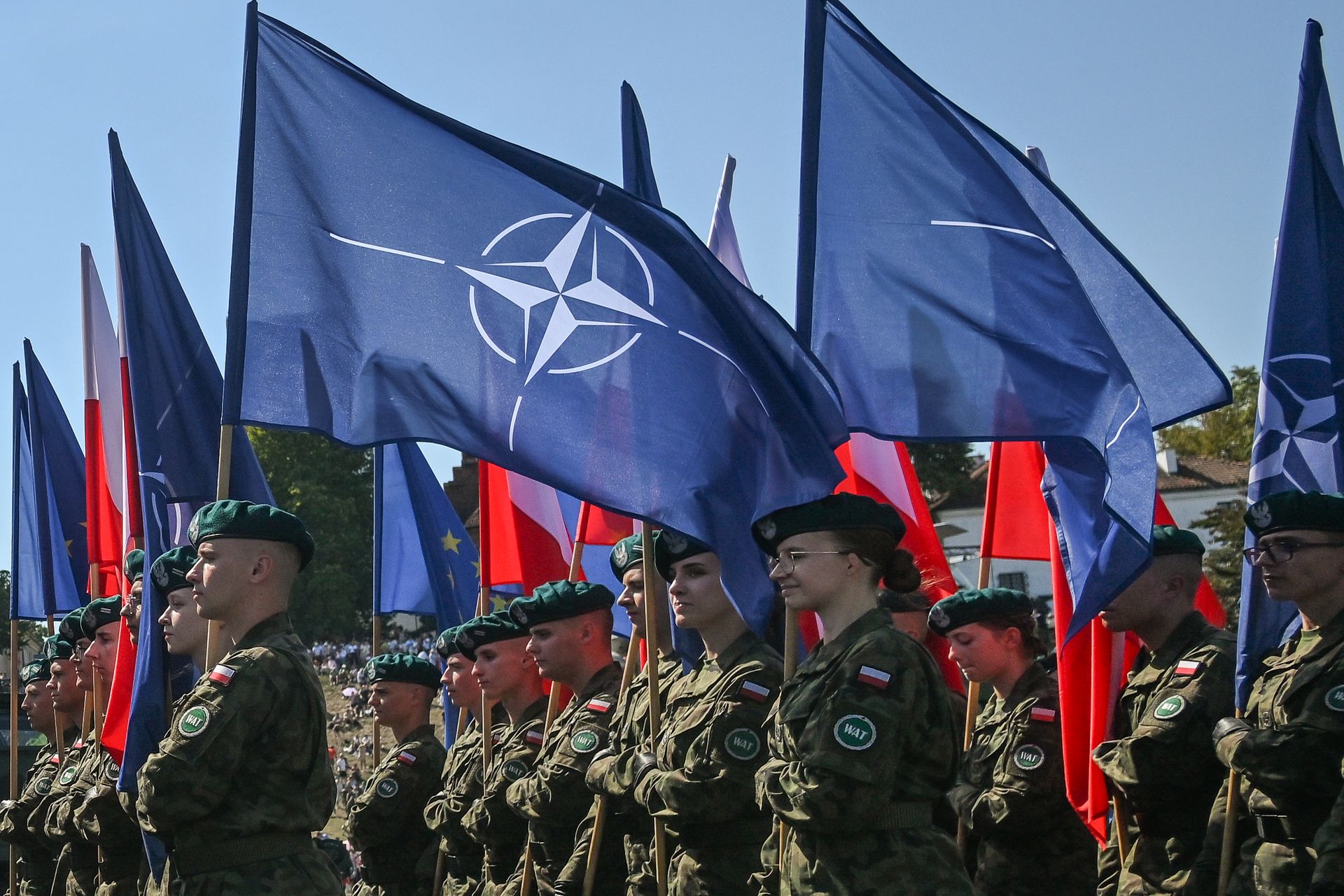
European nations are beefing up defenses in response to warnings from officials about an escalating Russian hybrid threat. The concern centers on Moscow potentially employing drones, missiles, sabotage, and cyberattacks to challenge NATO members and pressure them on their support for Ukraine. Polish Prime Minister Donald Tusk revealed on September 17 that intelligence suggests Russia might launch drone or missile strikes against nations backing Ukraine, claiming it could be an accidental provocation.
Tusk cautioned that such incidents could be aimed at weakening NATO's collective response readiness. Lithuanian Foreign Minister Kestutis Budrys echoed these concerns, stating that Lithuania shares similar intelligence assessments with its allies and that the warnings are a measure to deter Russia from attempting such a move. French President Emmanuel Macron echoed Tusk's sentiments on September 18, emphasizing that the Russian hybrid threat against France and other European countries had heightened.
In reaction, Macron directed the government to fortify protections for critical infrastructure and sensitive defense sites against drone and cyber threats. Finnish President Alexander Stubb also echoed the concern, urging Finns to be mentally prepared for potential sabotage and drone incidents, while urging the public not to overreact and to remain calm.
The heightened warnings have sparked civil-defense preparations across the region. Germany is evaluating how its hospitals would manage mass casualty scenarios, while Lithuania has drafted evacuation plans for a military emergency or major crisis, including routes from Vilnius to Poland. Switzerland, a non-NATO member, also bolstered its security posture on September 18, adopting a Security Policy Strategy 2026 that identifies Russia's war against Ukraine, hybrid threats, and critical dependencies as major security challenges.
The strategy outlines 10 objectives and 46 measures, already in motion, to minimize vulnerabilities and bolster defense against armed attacks. Although the Swiss government assesses a direct armed attack as unlikely, it warns against long-range attacks using drones or ballistic missiles, prioritizing protection against hybrid and long-range threats alongside increased international cooperation.
NATO has also intensified its focus on civilian resilience, publishing baseline resilience requirements on September 17, urging members to maintain essential services during crises or conflict. While NATO has not declared an imminent Russian military attack on an alliance member, Secretary General Mark Rutte has noted Russia's increasing recklessness, citing drones entering allied airspace and suspected malign activities targeting European infrastructure. The alliance continues to support Ukraine while strengthening deterrence and resilience.
Written by urgent.news from Kyiv Independent's reporting — not their text. Machine-written — may contain errors; check the original before relying on it.