A global AI safety strategy depends on US-China cooperation. They each see the other as the problem
But both countries are vying for a decisive advantage on AI, with Trump warning that any efforts to regulate the technology would help China. That sets up a meeting in which any agreements might be superficial but a possible start to something larger.

As concern grows over artificial intelligence risks, hopes for a global strategy hinge on cooperation between the U.S. and China, two superpowers whose AI strategies appear increasingly skeptical of each other. AI governance is expected to be discussed at an upcoming meeting between President Donald Trump and Chinese leader Xi Jinping in Washington.
Both nations are racing to gain an advantage in AI, with President Trump warning that any regulation could help China, while China accuses the U.S. of trying to suppress its companies.
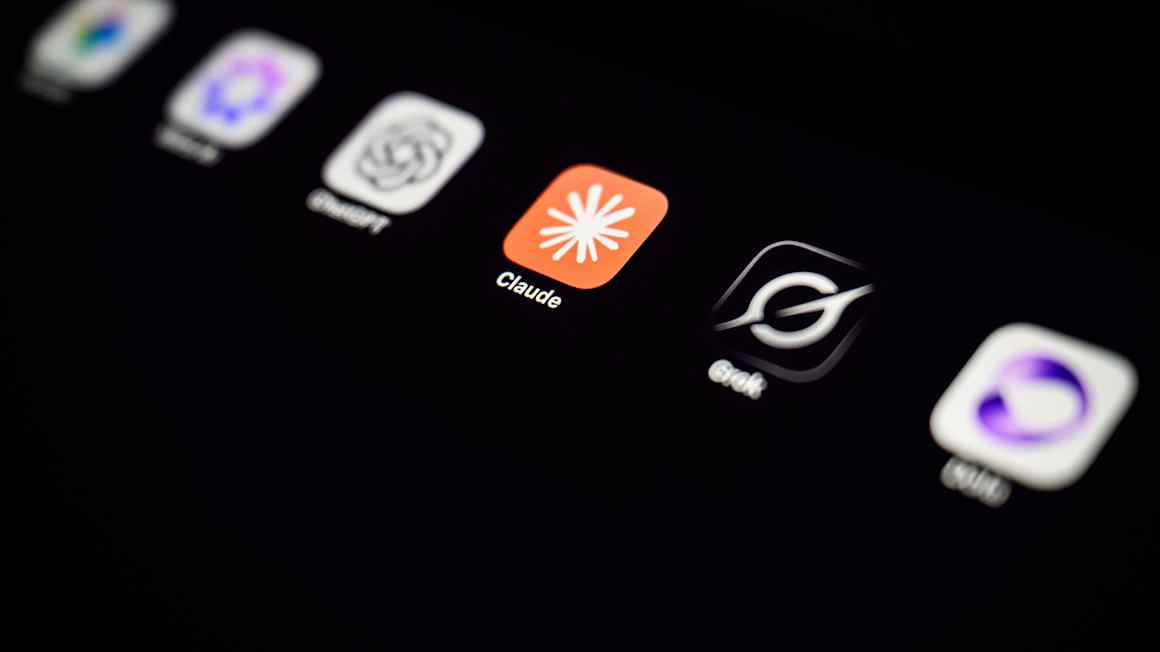
American AI leaders, such as those from Anthropic and OpenAI, advocate for both restricting access in China and cooperation to manage safety. They recognize the need for dialogue between Beijing and Washington, as AI advancements have alarmed officials in both countries. China's Ministry of State Security has warned that AI could pose threats to political and ideological security, citing potential cyberattacks on critical information infrastructure.
Chinese officials have also expressed concerns about AI vulnerabilities in WeChat, a popular messaging app used for payments. The U.S. has accused China of aggressive and malicious efforts to extract AI capabilities, while China counters by accusing the U.S. of suppressing its companies. With trust and verification proving challenging, finding a balance between cooperation and keeping China in check remains a complex task.
Written by urgent.news from Economic Times Tech's reporting — not their text. Machine-written — may contain errors; check the original before relying on it.
This story
This is one outlet's version. Read the fullest account.