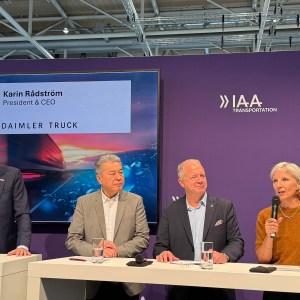
2014-15 fuel queues were ‘artificial’ – NPA boss reveals lesson driving government’s strategy
The CEO of the National Petroleum Authority (NPA), Godwin Edudzi Tamakloe, says lessons from Ghana’s 2014–15 fuel crisis are shaping the government’s strategy to protect the downstream petroleum sector.
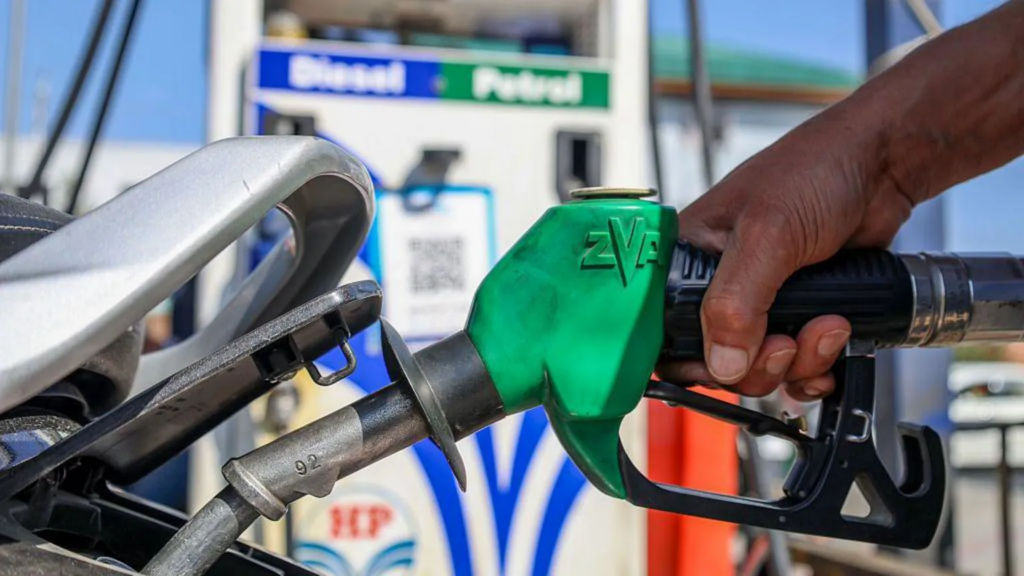
Godwin Edudzi Tamakloe, the CEO of the National Petroleum Authority (NPA), has revealed insights gained from Ghana's 2014-15 fuel crisis that are influencing the government's current strategy to safeguard the downstream petroleum sector. This comes as rising international prices of crude and refined petroleum products are causing renewed pressure on Ghana's fuel market.
In September 2014, the NPA increased the price floor for petrol to GH¢16 per litre and for diesel to GH¢16.77 per litre. Some Oil Marketing Companies subsequently raised pump prices to reflect higher international costs. Speaking on Joy News' PM Express Business Edition, Mr. Tamakloe recounted conversations with President John Mahama regarding the fuel shortages that occurred around 2014 and 2015.
According to Mr. Tamakloe, the queues at filling stations during that period were not caused by a shortage of petroleum products. Instead, he explained that the queues were "internally generated," stemming from an artificial shortage of products at various pumps, which in turn created the queues. He emphasized that the experience underscored the strategic importance of petroleum products to Ghana's economy and national security, describing the petroleum sector as a critical pillar of the wider economy and a necessity for consumers, whose alternatives are limited when fuel is unavailable.
Mr. Tamakloe outlined three key factors influencing fuel availability and prices in Ghana: the forward contract price (FOB), the tax component, and most significantly, the exchange rate, given the imported nature of the petroleum products. He emphasized that the NPA's approach aims to manage internal risks while preparing for external shocks, likening the petroleum sector to the "nervous system" of the entire economy, requiring proactive measures to ensure stability despite external pressures.
Written by urgent.news from MyJoyOnline Ghana's reporting — not their text. Machine-written — may contain errors; check the original before relying on it.