Why Volkswagen may let Seat disappear after 75 years
As Volkswagen transforms its business, the future of its Spanish subsidiary Seat appears uncertain, potentially marking the first major automotive brand to vanish since 2010. The German giant's restructuring, driven by declining sales in China and the shift towards electric vehicles, is likely to lead to the end of Seat's 75-year history.
Founded in 1950, Seat was acquired by Volkswagen in 1986 to serve as a cost-effective brand within the company's expanding automotive empire. However, Seat's last new model was introduced in 2020, a prolonged period of inactivity given the industry's reliance on new products for survival. The brand's market share in 2025 was less than 3% of Volkswagen's global deliveries.
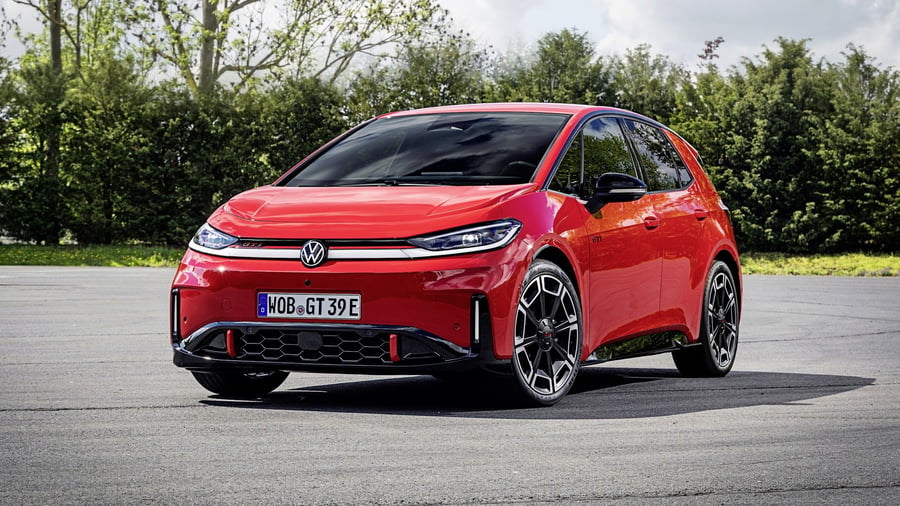
Seat's struggling position has been exacerbated by the absence of fully electric models, as Cupra, a sister brand launched in 2018, has gained traction with electric offerings. Cupra now leads in annual sales, with its new Raval model hailed as a "game changer." In contrast, Seat lacks any electric models and has no plans for their development.
Seat's union leader, Matias Carnero, fears the consequences for employment if the brand ceases to exist, especially since it is not transitioning to electric vehicles. Auto analysts agree that Volkswagen's decision not to continue with Seat is evident, reflecting a broader industry trend where legacy brands struggle to compete with Chinese manufacturers' rapid growth and innovation.
Volkswagen's overhaul, including significant job cuts, aims to refocus resources on its strongest brands. The company's European division, responsible for a significant portion of the decline in annual sales between 2019 and 2025, is facing immense pressure from Chinese rivals. The consultancy AlixPartners predicts that only 15 out of 129 EV brands in China will remain financially viable by 2030, signalling a potential intensification of consolidation across the industry.
As other automakers like Stellantis and Nissan also undergo restructuring, the autos sector is witnessing a global reordering, with fewer legacy players and fewer Chinese competitors in the long run.
Written by urgent.news from The Economic Times's reporting — not their text. Machine-written — may contain errors; check the original before relying on it.