Why Russia is deepening ties across the Global South
The Ukraine war certainly featured in conversations. Tellingly, however, Putin steered many talks with leaders towards fuel, trade and transit.
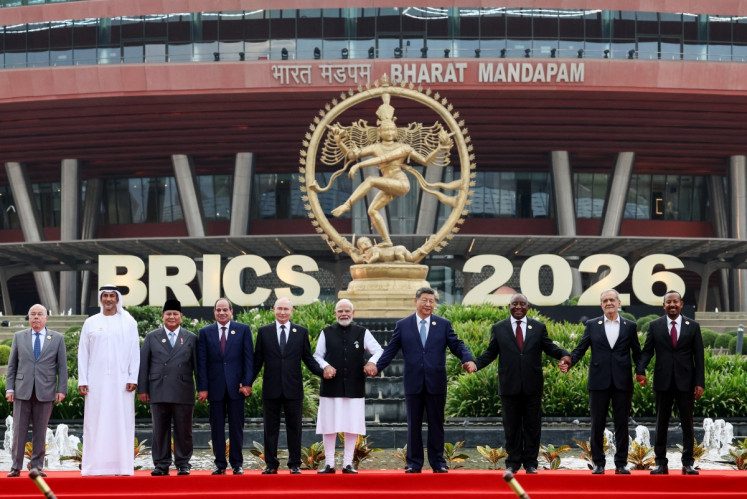
Since the start of the Ukraine war, Russia has been meeting with an array of leaders from the Global South, discussing fuel, trade and transit. During three significant events in Bishkek, Vladivostok and New Delhi, President Putin met with 18 heads of state, including heavyweights such as China, India, Indonesia, Iran, Malaysia and Turkey.
Despite the ongoing Ukraine war and Western efforts to isolate Putin, the primary focus of these talks was fuel, trade and transit. This shift in conversation is due to fuel and energy security being a mutual concern for both Russia and its partners in the Global South. The Ukraine war has caused fuel shortages in Russia, forcing the government to import refined fuel from countries it typically exports to, such as Belarus, Turkey and India.
At the same time, Russia is pushing for the expansion of its energy exports, including the Power of Siberia 2 pipeline to China via Mongolia and a new strategic oil reserves hub in Vietnam. Additionally, Russia is expanding cooperation on nuclear power, a topic discussed with Turkish, Vietnamese and Indian leaders. The sanctions war between Russia and the West has made economic and trade relations with the Global South crucial for Russia's survival and future development.
Two interstate bodies, BRICS and the Shanghai Cooperation Organisation (SCO), have become especially important for Russia. BRICS, comprising 11 economies, now accounts for about 40 percent of global GDP, with mutual trade turnover among BRICS member states exceeding US$1 trillion last year. The SCO, spanning countries in Europe, Asia and the Indo-Pacific, has Russia's trade turnover with the organization exceeding $400 billion in 2025, with Asia accounting for 73.4 percent of Russia's trade turnover last year.
Russia actively lobbies two new transcontinental transit networks to mitigate risks from transportation and trade route disruptions in the Middle East. These include the International North-South Transport Corridor and the Northern Sea Route. Despite facing challenges in the Middle East, Russia successfully secured $7.7 billion worth of investments in Vladivostok and secured lucrative deals with Vietnam during the diplomatic blitz.
The meetings with Russian counterparts demonstrate the geopolitical constant of Russia's relationship with major non-Western international players, showcasing strategic autonomy for emerging global centers like India, Indonesia and Vietnam.
Written by urgent.news from The Jakarta Post's reporting — not their text. Machine-written — may contain errors; check the original before relying on it.