MACC: There are 3 stages to laundering 'dirty' money
KUALA LUMPUR: Luxury cars, high-end properties and an exclusive lifestyle have become symbols of success, but some of these could have been funded by money obtained through dishonest means.
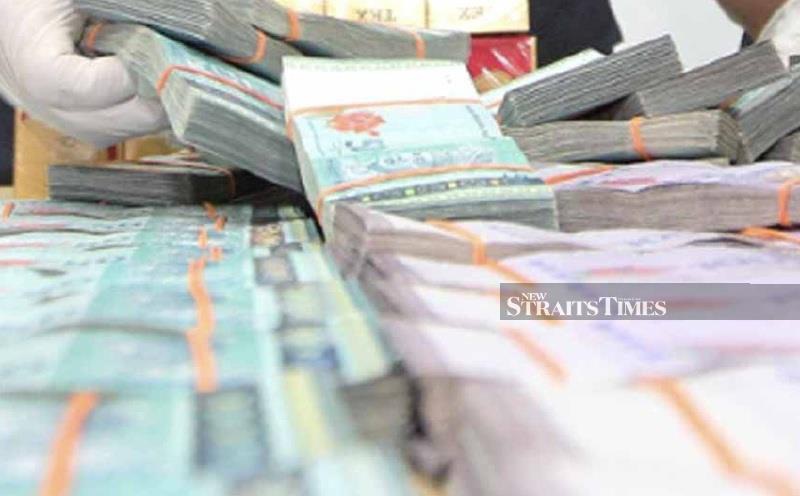
The Malaysian Anti-Corruption Commission (MACC) has outlined the three stages involved in laundering "dirty" money. According to Datuk Norhaizam Muhammad, the Anti-Money Laundering Division director, the first stage is placement. During this stage, illicit funds are introduced into the banking system and separated from their criminal origins.
Norhaizam explained that criminals may use various tactics to avoid suspicion, such as making staggered cash deposits, splitting transactions into smaller amounts, or utilizing cash-based businesses to channel the money.
In the second stage, known as layering, the money undergoes a series of complex transactions to make its original source increasingly difficult to trace. Norhaizam provided an example, stating that the funds may be transferred from one account to another (A to B, and so on) and then converted into various assets. This process ensures that the money's criminal origin becomes more challenging for authorities to detect.
The final stage is integration. At this point, the "cleaned" money reappears in the form of legitimate assets or investments, such as luxury cars, high-end properties, or investments. Norhaizam emphasized that individuals involved in money laundering may appear to be successful entrepreneurs and wealthy individuals, while the wealth they possess actually originates from illegal activities.
Norhaizam highlighted several red flags that society should be wary of when identifying potential money laundering activities. These include unusual transactions, inconsistent profiles, the use of multiple bank accounts without a clear business purpose, unclear or suspicious sources of funds, frequent transfers within a short period, and the acquisition of assets that do not align with the individual's legitimate business activities.
If these practices are not curbed, the proceeds of crime can continue to circulate actively within the national economy, according to Norhaizam.
Written by urgent.news from New Straits Times's reporting — not their text. Machine-written — may contain errors; check the original before relying on it.