Wall Street swings after Fed hikes interest rate to battle inflation
NEW YORK: Wall Street whipsawed on Wednesday after the US Federal Reserve raised its key interest rate for the first time in over three years to fight stubbornly high inflation stemming from soaring crude oil prices during the US-Israeli war on Iran.
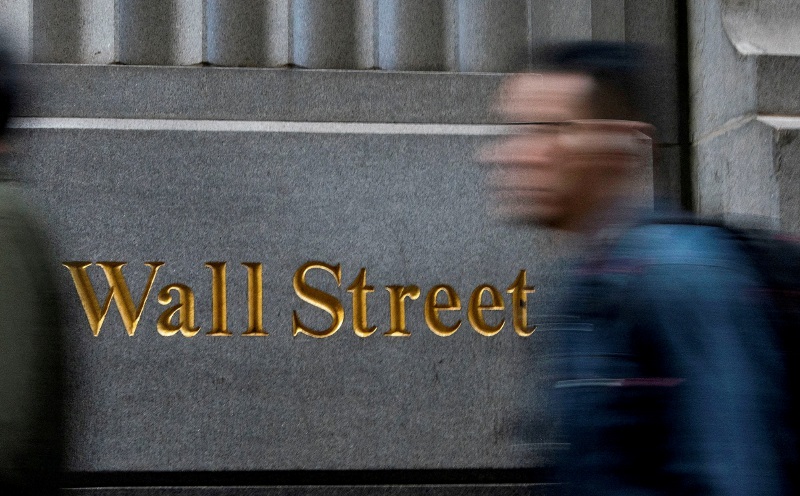
On Wednesday, Wall Street experienced significant fluctuations following the US Federal Reserve's decision to raise its key interest rate for the first time in over three years. This move was taken to combat high inflation, which has been exacerbated by soaring crude oil prices due to the ongoing US-Israeli conflict with Iran. According to Ryan Detrick, chief market strategist at Carson Group in Omaha, the unanimous decision by the Fed indicates their seriousness in addressing the inflation issue.
The Fed Chair, Kevin Warsh, had previously expressed hawkish comments at the Jackson Hole conference, which put him in a difficult position. The unanimous decision surprised Detrick, but it demonstrated the Fed's commitment to tackling inflation. Investors are now closely examining Warsh's remarks during the press conference for insights into the central bank's future interest rate policies.
Meanwhile, retail sales data revealed that consumers continued to spend despite rising prices, particularly at the petrol pump. The Middle East conflict intensified as Saudi Arabia and Iran-backed Houthi fighters exchanged airstrikes and missiles, while oil prices rose by over 20% in the past two and a half weeks. The US stock indices showed mixed performance prior to the announcement, with the tech-heavy Nasdaq leading the gains.
Among the 11 major sectors of the S&P 500, technology shares led the gainers, while energy sectors suffered the largest percentage decline. Chevron and Exxon Mobil experienced the most significant drops, while sectors such as semiconductor shares benefited from the recent joint call from AI executives advocating for a slowdown in the advancement of capabilities and industry-wide safety coordination.
However, Robinhood shares dropped by 5.3% following the failure of the US Senate to advance cryptocurrency legislation, which negatively impacted digital asset companies.
The US Department of Justice charged two former Robinhood engineers with insider trading and misuse of confidential information. Intel shares jumped by 5.2% due to reports of potential memory chip manufacturing collaborations with the company in the United States. Intel's stock on the NYSE rose, while IBM fell by 3.5% after signing a funding agreement with the US government for its chip unit.
On the NYSE, advancing issues outnumbered decliners by a ratio of 1.42-to-1, with 64 new highs and 243 new lows. On the Nasdaq, 2,556 stocks rose and 2,105 fell, with advancing issues outnumbering decliners by a ratio of 1.21-to-1, and 45 new highs and 201 new lows.
Written by urgent.news from New Straits Times's reporting — not their text. Machine-written — may contain errors; check the original before relying on it.